





How to Choose the Right Woven Bag Supplier for Your Business
Choosing the right woven bag supplier hinges on evaluating material durability, manufacturing precision, and supply chain reliability. For heavy‑industrial or lightweight retail needs, understanding PP woven versus non‑woven fabrics ensures cost‑efficiency and product protection.
When selecting a supplier, consider the following criteria:
- Material Durability: Check tensile strength, UV resistance, and moisture resistance.
- Manufacturing Precision: Verify consistent thickness, seam strength, and barrier properties.
- Supply Chain Reliability: Look for scalable production and on‑time delivery.
What are the differences between PP Woven and Non‑Woven bags?
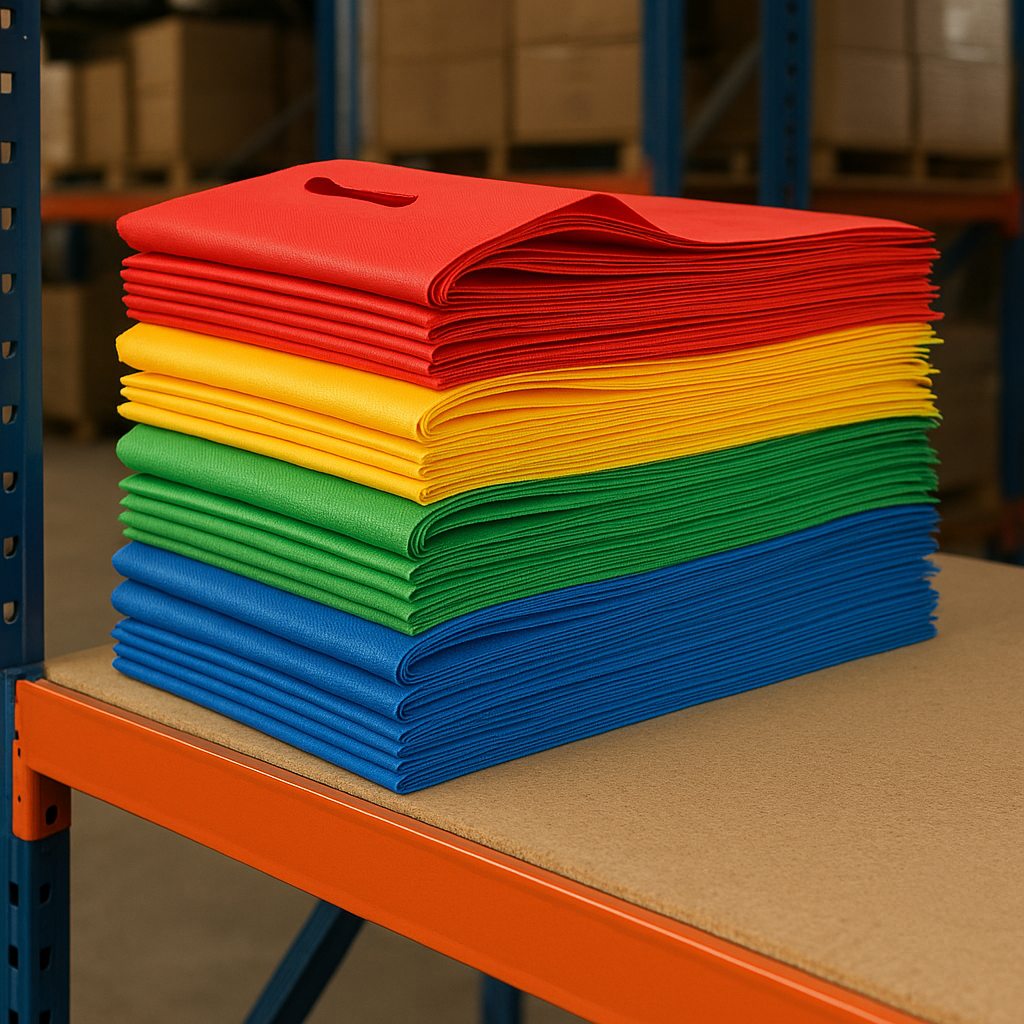
PP woven bags use interlaced polypropylene strands for high strength and breathability, ideal for heavy goods. Non‑woven bags are bonded filaments, softer and more aesthetic, suited for retail shopping.
Key technical specifications:
- PP Woven Bags: High tensile strength, excellent UV resistance, moisture‑resistant, suitable for industrial bulk transport.
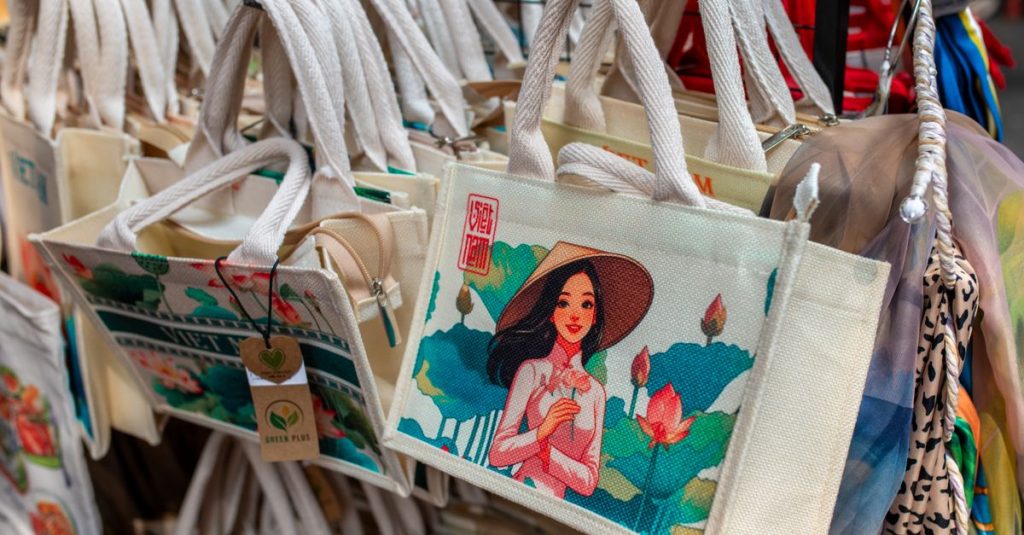
- Non‑Woven Bags: Soft texture, customizable printability, reusable nature, ideal for high‑end retail environments.
- Material Composition: Most high‑performance bags utilize woven fabric structures to ensure structural integrity under load.
Why should you choose a professional woven bag supplier?
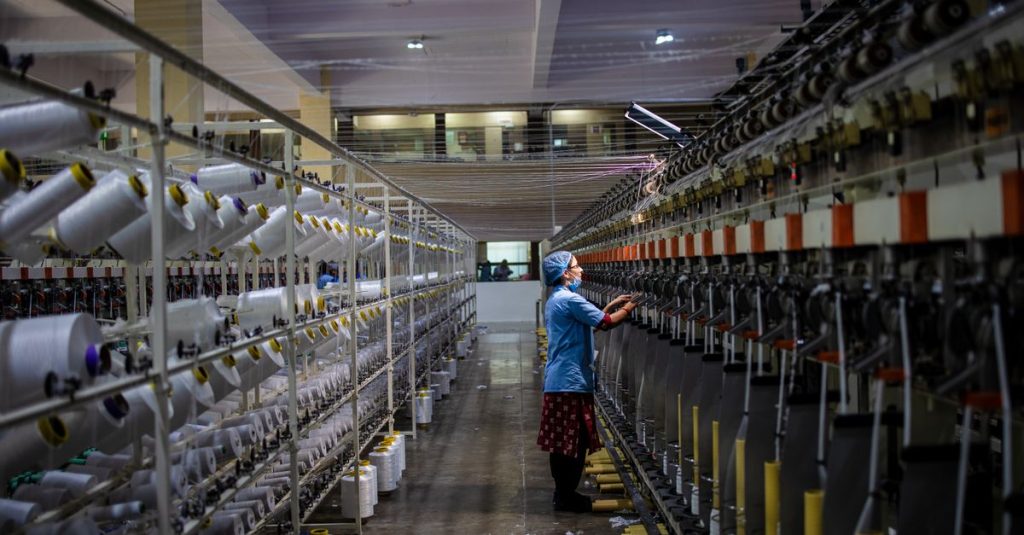
A professional supplier delivers custom manufacturing that meets weight‑bearing requirements, environmental standards, and consistent quality, preventing leakage or bag failure during transit. By partnering with an expert woven bag supplier, businesses ensure consistent thickness, seam strength, and barrier properties.
Benefits include:
- Custom Dimensional Accuracy: Bags tailored to specific product volumes.
- Enhanced Barrier Properties: Options for laminated or anti‑static coatings.
- Scalable Production: Ability to fulfill both small retail orders and large industrial shipments.
- Durability Testing: Verification of tensile strength and tear resistance.
How to evaluate woven bag manufacturing quality?
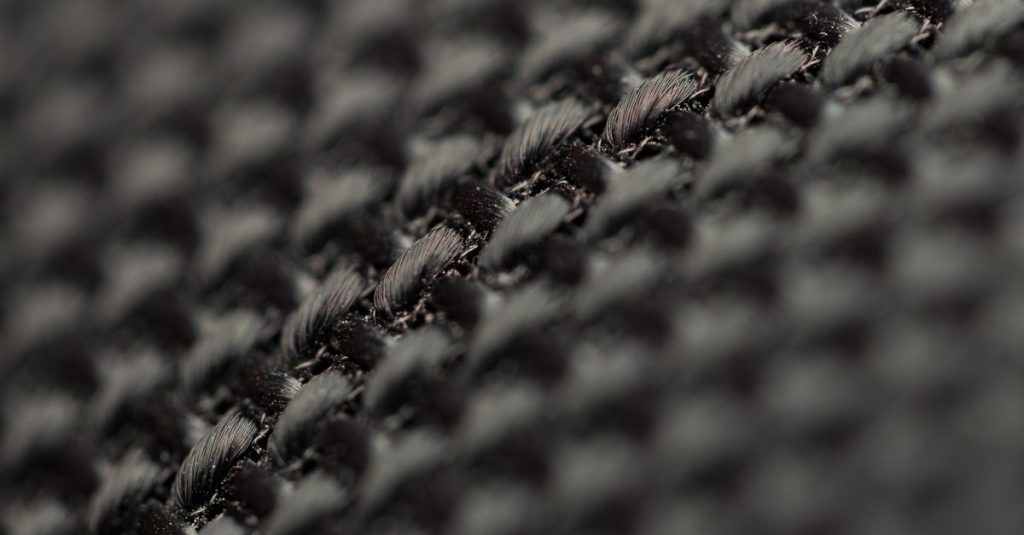
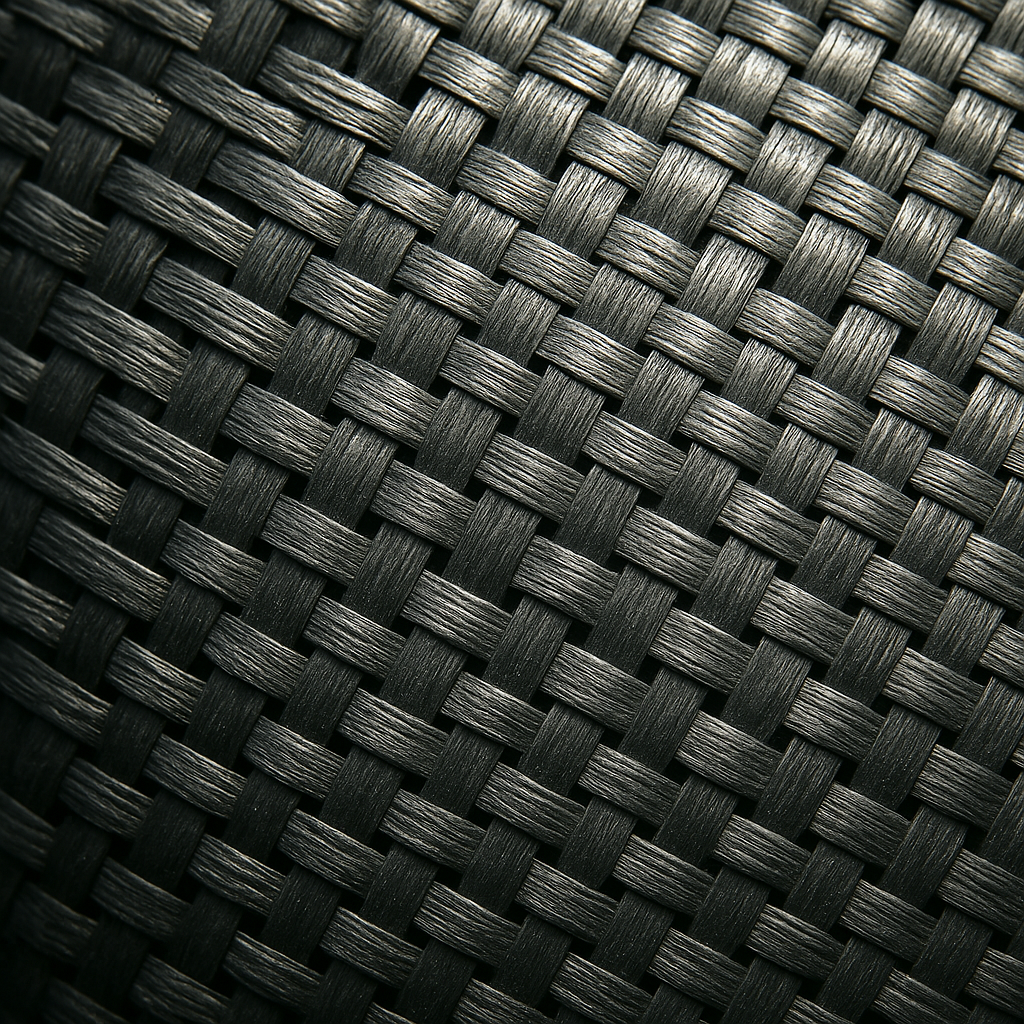
Evaluate quality by inspecting weave density, stitch strength, and polypropylene purity; a uniform interlacing prevents weak points that cause rupture under load.
Use this checklist when auditing a supplier:
- GSM (Grams per Square Meter): Ensure the weight matches your durability requirements.
- Denier Rating: Check the thickness of the individual filaments used in the weave.
- UV Stabilization: Confirm the presence of UV inhibitors for outdoor storage applications.
- Seal Integrity: Verify that the heat‑sealing or stitching can withstand the product’s weight.
Frequently Asked Questions (FAQs)
Are PP woven bags waterproof?
While not fully waterproof, they are highly moisture‑resistant. For total waterproofing, bags should be laminated with a film layer.
Can non‑woven bags be used for heavy industrial goods?
No, non‑woven bags lack the interlaced structural strength of woven bags. They are better suited for lightweight retail and promotional use.
How do I order custom printed woven bags?
Provide your supplier with vector artwork files, specific bag dimensions, and the required print quantity to receive an accurate quote.