




What Is a Woven Bag Supplier and Why Does Your Business Need One in Kuala Lumpur?
A woven bag supplier manufactures and distributes durable bags made from interlaced polypropylene, jute, or polyester threads used across retail, agriculture, and industrial sectors. Businesses in Kuala Lumpur partner with local suppliers to reduce lead times, access custom branding, and secure competitive bulk pricing backed by Malaysian manufacturing standards. Choosing a domestic source also simplifies logistics and ensures compliance with local packaging regulations.
Working with an established woven bag supplier in Malaysia gives your procurement team direct access to factory pricing, flexible MOQs, and reliable post-sales support that overseas trading companies rarely provide.
How Are Woven Bags Manufactured and What Materials Are Used?
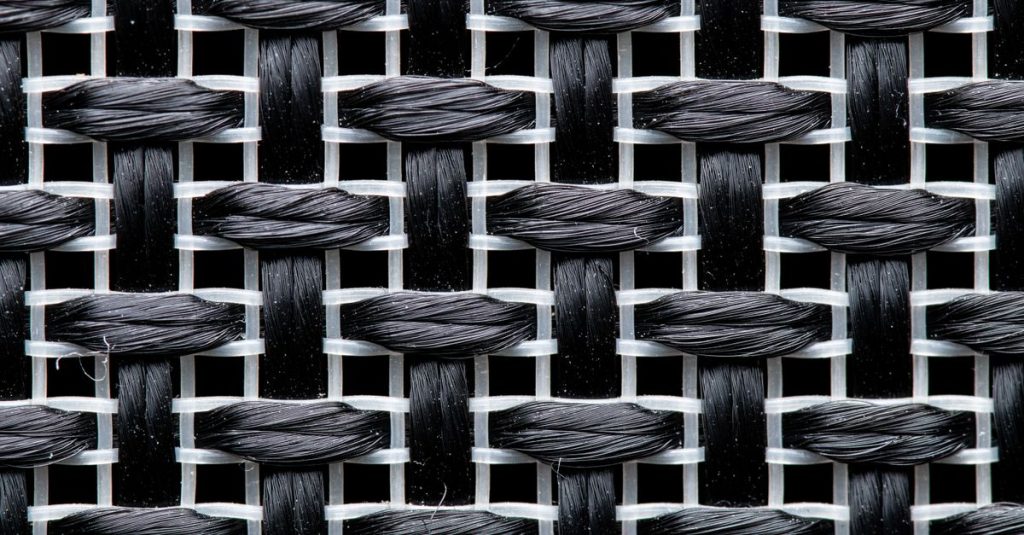
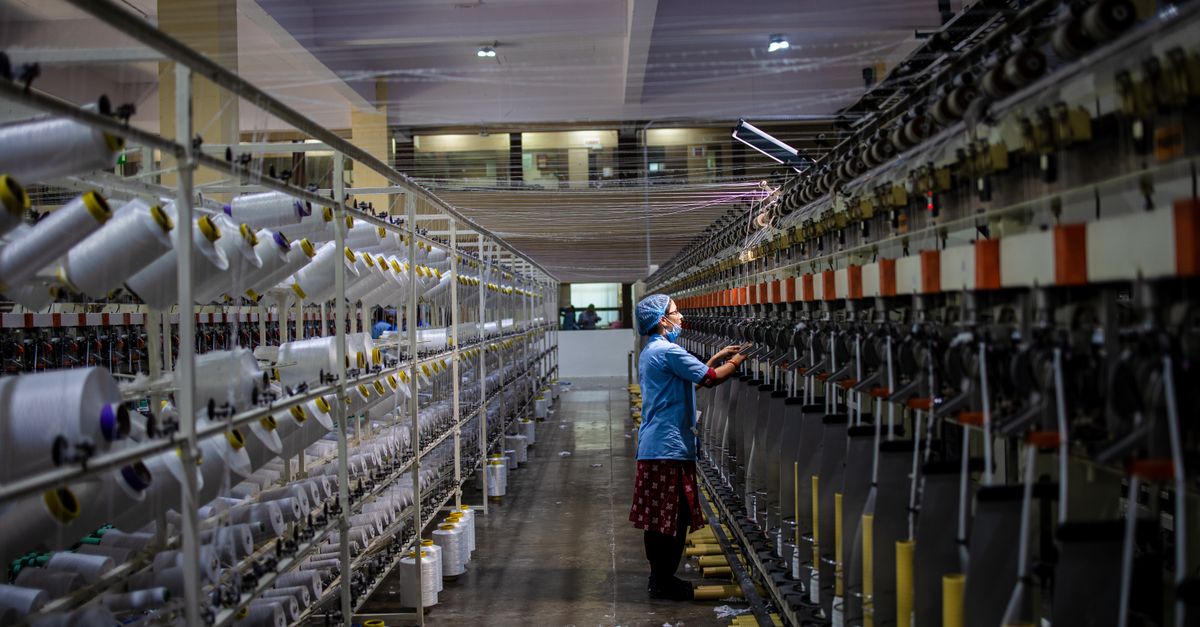
Woven bags are produced by interlacing flat tapes of polypropylene (PP) or polyethylene (PE) on circular or flat looms, then laminated or stitched into finished sacks. According to Wikipedia’s overview of woven fabric, the weaving process binds warp and weft yarns at right angles to create a stable, high-tensile textile suitable for heavy loads. Common material choices include:
- PP woven fabric – lightweight, moisture-resistant, and ideal for rice, sugar, and fertilizer packaging
- Laminated PP – adds a printed BOPP film layer for retail-ready branding
- Jute woven fabric – biodegradable option used for premium and eco-conscious products
- Polyester (PET) – higher UV resistance for outdoor and agricultural use
What Types of Woven Bags Can a Kuala Lumpur Supplier Provide?
A full-service Kuala Lumpur woven bag supplier typically offers multiple product categories to serve different industries. The most requested variants include:
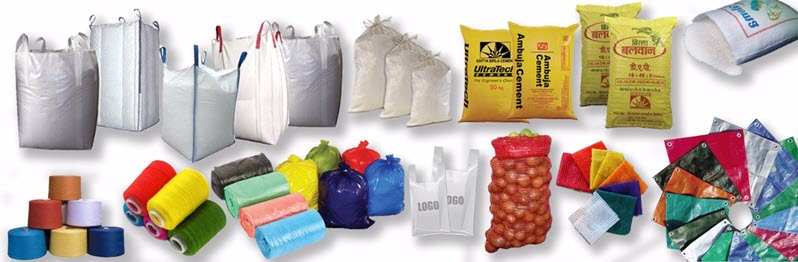
- PP woven sacks – 25kg to 50kg capacity for flour, animal feed, and chemicals
- BOPP laminated bags – multi-color printed packaging for rice, fertilizer, and pet food
- FIBC jumbo bags – 500kg to 2000kg bulk containers for mining and construction
- Mesh Leno bags – ventilated bags for produce, onions, and seafood
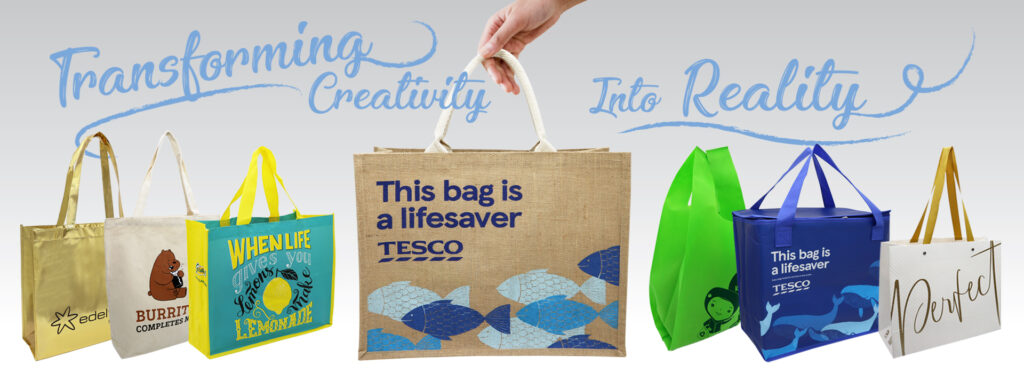
- Custom printed shopping bags – reusable retail totes for supermarkets and promotions
- Laminated shopping bags with handles – branded carry bags for events and exhibitions
Why Should You Source Woven Bags from a Malaysian Supplier Instead of Importing?
Sourcing from a Malaysian woven bag supplier offers measurable advantages for both local and regional buyers. Key benefits include:
- Shorter lead times – production cycles of 10 to 21 days versus 45 to 60 days from overseas
- Lower minimum order quantities – many KL factories accept MOQs from 5,000 pieces
- MYR pricing without currency risk – stable cost forecasting in local currency
- Easier quality inspections – on-site factory visits within 1 to 2 hours from Kuala Lumpur
- EPF and SIRIM compliance – local manufacturing meets Malaysian safety standards
- Reduced carbon footprint – shorter shipping distances support ESG reporting
How to Choose the Right Woven Bag Supplier in Malaysia?
Selecting the right partner requires evaluating more than just price per piece. Follow this step-by-step checklist when shortlisting suppliers:
- Verify manufacturing capacity – confirm the factory owns at least 5 circular looms and 1 lamination line
- Request fabric GSM and tensile test reports – standard PP ranges from 60 to 120 GSM
- Check BOPP printing capabilities – ensure 8-color rotogravure or flexo printing is available
- Review export experience – ask for shipping documents to ASEAN, Middle East, or Africa markets
- Confirm compliance certifications – look for ISO 9001, FDA food-grade, or GOTS for organic products
- Request physical samples – evaluate stitching, lamination bond, and print quality in person
- Negotiate payment terms – standard terms are 30% deposit with 70% balance against B/L copy
What Industries Commonly Purchase Woven Bags in Kuala Lumpur?
Kuala Lumpur’s strategic location and diverse economy create strong demand across multiple sectors. The most active industries sourcing woven bags include:
- Agriculture – rice, palm kernel meal, and fertilizer packaging
- Animal feed – poultry, aquaculture, and livestock feed sacks
- Construction – sand, cement, and aggregate FIBC bags
- Chemical – resin, polymer, and industrial powder packaging
- FMCG and retail – branded shopping bags and promotional totes
- Food processing – flour, sugar, salt, and grain storage
How Much Do Woven Bags Cost from a Malaysian Supplier?
Pricing depends on material grade, size, print complexity, and order volume. Current market ranges for FOB Malaysia shipments are:
- Plain PP woven sacks (50kg): MYR 1.20 to MYR 1.80 per piece
- BOPP laminated bags (printed): MYR 1.80 to MYR 3.50 per piece
- FIBC jumbo bags (1 ton): MYR 18 to MYR 35 per piece
- Custom shopping bags: MYR 2.50 to MYR 6.00 per piece
Volume discounts typically apply at 50,000, 100,000, and 500,000-piece thresholds. Request an updated quotation directly from aec.com.my for current pricing.
Where Is the Main Woven Bag Manufacturing Hub Near Kuala Lumpur?
While Kuala Lumpur hosts the corporate offices and trading divisions of most woven bag companies, the major production zones are located within a 1 to 2 hour drive. Key manufacturing clusters include:
- Klang Valley – Selangor-based factories serving FMCG and retail clients
- Penang and Perak – northern hubs specializing in BOPP printing and FIBC production
- Johor Bahru – southern cluster with strong export links to Singapore and Indonesia
This regional distribution allows a KL-based supplier to coordinate multiple factories and offer buyers a single point of contact for diverse product requirements.
What Customization Options Are Available for Woven Bags?
Modern woven bag manufacturers in Malaysia offer extensive customization to meet branding and functional requirements. Standard options include:
- Dimensions – width, length, and gusset tailored to product density
- Printing – up to 8 colors on BOPP film or 2 colors on PP fabric
- Lamination – matte, gloss, or anti-slip coatings
- Handles – sewn, loop, or die-cut options for retail bags
- Liners – PE or aluminum foil inserts for moisture-sensitive products
- Closures – heat cut, hemmed top, valve, or drawstring styles
How Does a Woven Bag Supplier Handle Quality Control?
Reputable woven bag suppliers implement multi-stage quality control protocols to ensure consistent output. Standard QC procedures cover:
- Incoming material inspection – verifying PP resin grade and color masterbatch
- In-process checks – monitoring tape extrusion, weaving tension, and lamination temperature
- Pre-shipment testing – GSM verification, drop test, burst strength, and seam strength
- AQL sampling – Acceptable Quality Level of 2.5 for general inspection and 1.0 for critical defects
- Third-party inspection – SGS or Bureau Veritas reports available on request
What Are the Sustainability Benefits of Woven Bags?
Woven bags contribute to circular economy goals through reusability and recyclability. PP woven bags can be reused 20 to 50 times before showing wear and are 100% recyclable into new plastic products. Compared to single-use paper or LDPE alternatives, woven PP reduces packaging waste by approximately 70% over a 5-year usage cycle. Many Malaysian suppliers now offer recycled-content fabrics and ISO 14001-certified production lines to support buyer sustainability targets.
How Long Does Delivery Take from a Kuala Lumpur Woven Bag Supplier?
Standard delivery timelines for a Malaysian woven bag supplier depend on order size and customization level. Typical schedules are:
- Ready stock plain bags: 3 to 5 working days
- Custom printed orders (5,000 to 20,000 pieces): 15 to 25 working days
- Bulk production (100,000+ pieces): 25 to 35 working days
- Sea export shipments: add 7 to 14 days for Port Klang loading and transit
Frequently Asked Questions (FAQs)
What is the minimum order quantity for custom woven bags in Malaysia?
Most Kuala Lumpur woven bag suppliers accept MOQs starting from 5,000 pieces for plain bags and 10,000 pieces for custom BOPP printed bags. Smaller trial orders may be accommodated at a higher per-unit cost.
Are woven bags food-safe for rice and flour packaging?
Yes, food-grade PP woven bags manufactured under FDA or SIRIM compliance are safe for direct contact with rice, flour, sugar, and other dry food products. Inner PE liners can be added for extra moisture protection.
Can a Malaysian woven bag supplier ship internationally?
Most established suppliers in Kuala Lumpur regularly export to ASEAN, the Middle East, Africa, and South America using FOB Port Klang or CIF terms. Export documentation including COO, BL, and commercial invoice is standard.
What is the difference between PP woven and non-woven bags?
PP woven bags are made from interlaced polypropylene tapes creating a strong, open-weave structure ideal for heavy loads. Non-woven bags use bonded fibers, are softer, and are typically used for lightweight shopping or promotional totes.
How do I verify a woven bag supplier’s credibility?
Request their company registration (SSM), manufacturing license, and at least three reference customers. A factory visit or video audit, along with SGS or Bureau Veritas inspection reports, provides additional assurance.
Final Verdict: Choosing the Right Woven Bag Supplier in Kuala Lumpur
Selecting a woven bag supplier in Kuala Lumpur, Malaysia requires balancing price, quality, customization, and delivery reliability. A trustworthy partner will offer transparent pricing, certified manufacturing standards, flexible MOQs, and proven export experience across your target markets. For competitive quotations, custom samples, and technical specifications, contact aec.com.my today to connect with a leading Malaysian woven bag manufacturer.