




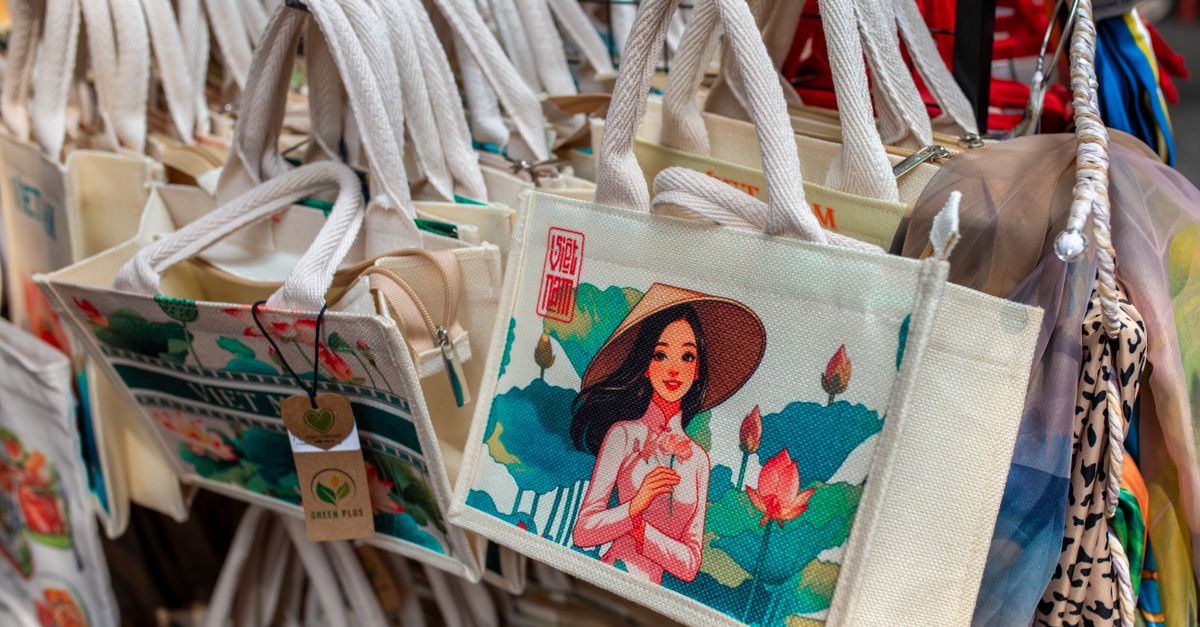
Non woven bags have become a cornerstone of sustainable packaging in Malaysia. As businesses and consumers seek eco-friendly alternatives to plastic, non woven fabric stands out for its versatility and strength. Unlike traditional woven bags, non woven bags are made from synthetic polymers like polypropylene (PP), which offer superior moisture resistance and customization options.
What are non woven bags and how are they made?
A non woven bag is a lightweight, tear-resistant fabric created by bonding synthetic fibers together using heat, chemicals, or mechanical pressure rather than traditional weaving techniques. This manufacturing process results in a highly adaptable material ideal for diverse packaging applications in the Malaysian market.
- Material Composition: Typically made from Polypropylene (PP) polymers.
- Bonding Methods: Spunbond or needle-punching processes.
- Key Attributes: Breathable, lightweight, and highly customizable for branding.
Dive into imported vs. locally manufactured non woven bags to understand quality differences.
Why choose non woven bags for your business in Malaysia?
Businesses in Malaysia choose non woven bags because they offer an optimal balance of extreme durability, low production costs, and environmental compliance. These bags serve as a sustainable alternative to single-use plastics, helping brands align with Malaysia’s evolving green manufacturing regulations and consumer preferences.
- Cost-Effective: Automated manufacturing processes ensure lower unit prices for bulk orders compared to cotton or canvas.
- Eco-Friendly: Recyclable PP materials help businesses comply with Malaysia’s plastic reduction initiatives.
- High Durability: Engineered to handle significant weight loads (often exceeding 5-10kg depending on GSM) without fraying.
- Custom Branding: Ideal for heat-press or screen printing to enhance brand visibility.
What are the primary applications for non woven bags?
Non woven bags are utilized across various Malaysian sectors, serving as essential packaging for retail, food service, and industrial logistics. Their versatility allows them to transition from lightweight grocery carriers to heavy-duty transport bags for commercial goods.
- Retail & Fashion: High-end shopping bags for boutiques and lifestyle brands.
- Grocery & Supermarkets: Reusable grocery bags for everyday consumer use.
- Industrial & Agriculture: Bulk transport for construction materials or agricultural produce.
Where can I source high-quality non woven bags in Malaysia?
To source reliable, high-quality non woven bags in Malaysia, businesses should partner with specialized manufacturers that offer customization and bulk availability. Professional suppliers ensure that the material density (GSM) meets specific industrial or retail requirements while adhering to local environmental standards.
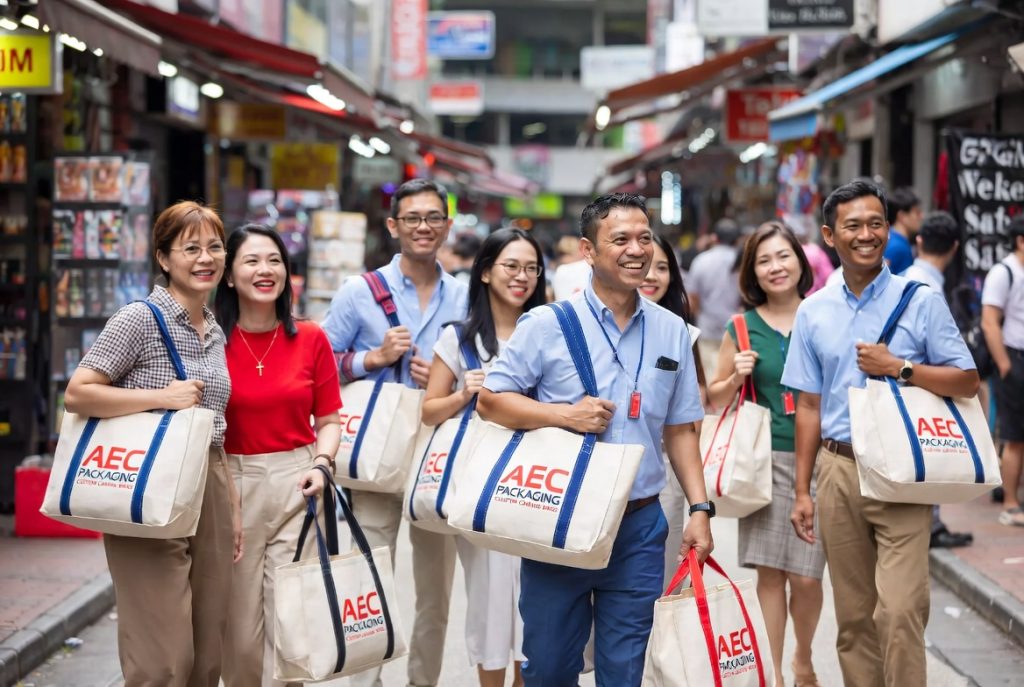
For premium bulk orders and custom printing solutions, explore AEC’s non woven bag collection, which provides solutions tailored to the Malaysian market’s specific needs.
Frequently Asked Questions (FAQs)
Q: Are non woven bags biodegradable?
A: Most standard non woven bags require industrial composting to break down. However, new PLA-based biodegradable variants are increasingly becoming available in the Malaysian market.
Q: Can non woven bags withstand rain?
A: Yes, because they are made from Polypropylene (PP), these bags offer natural moisture resistance, making them suitable for various weather conditions.
Q: How long do non woven bags typically last?
A: When used under normal conditions, high-quality non woven bags can last for several years, significantly outperforming single-use plastic bags.