





Custom Packaging Companies in Kuala Lumpur: The 2026 Complete Malaysia Guide
Quick Answer: Custom packaging companies in Kuala Lumpur design and manufacture tailored boxes, bags, pouches, and protective materials built to a client’s product specs, branding, and compliance needs rather than generic stock sizes. They serve Malaysian F&B, cosmetics, e-commerce, electronics, and halal-export brands needing exact SKU fit, premium unboxing, and regulatory alignment.
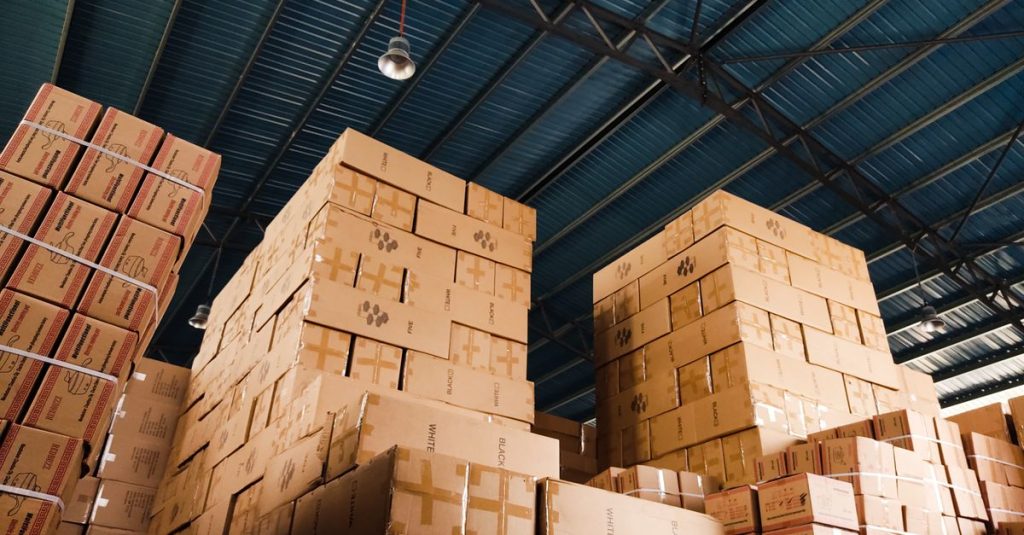
Finding the right custom packaging companies in Kuala Lumpur can transform how Malaysian brands present products, protect goods, and compete locally and abroad. As Southeast Asia’s packaging sector expands at a projected 5.8% CAGR through 2028, KL has become Malaysia’s central hub for scalable, compliance-ready packaging solutions.
This guide breaks down what custom packaging means for B2B buyers, which Malaysian providers lead in quality, how to evaluate them, and how AEC Malaysia integrates packaging strategy with broader supply-chain goals.
What Are Custom Packaging Companies and Why Do Malaysian Businesses Need Them?
Answer (40–60 words): Custom packaging companies manufacture tailored boxes, bags, wraps, and inserts based on a client’s product dimensions, branding, and regulatory requirements rather than selling generic stock sizes. Malaysian businesses use them to control structural integrity, printing finishes, material sourcing, and unboxing experience.
In Malaysia, these firms serve F&B brands, cosmetics, e-commerce sellers, electronics OEMs, and halal-certified exporters who need packaging that fits exact SKUs and shelf dimensions. According to the overview of packaging history and function on Wikipedia, packaging serves four core purposes: protection, preservation, presentation, and information — custom providers optimize all four simultaneously.
Key benefits for Malaysian businesses
- Precise fit reduces material waste and shipping dimensional weight.
- Brand-aligned artwork supports premium positioning on Shopee, Lazada, and retail shelves.
- Compliance with Malaysian Food Act 1983, SIRIM standards, and JAKIM halal requirements.
- 15–35% lower unit cost than stock packaging above 5,000 units.
- Faster SKU launches without waiting for imported generic sizes.
How Do Custom Packaging Companies in Kuala Lumpur Operate?
Answer (40–60 words): KL packaging companies follow a four-stage workflow: consultation and dieline creation, prototyping, mass production, and logistics support. Most operate from Shah Alam, Subang, or Sungai Besi with lead times of 10–21 working days for standard orders.
The process starts with a brief covering product weight, fragility, retail channel, and target market (Malaysia, Singapore, Middle East, etc.). The firm drafts a structural dieline — a flat template showing cut lines and folds — shared as PDF or AI. After approval, a physical or 3D-rendered prototype is produced before a full production run.
Typical operational stages
- Brief & specification — dimensions, materials, quantity, deadline.
- Dieline design — structural engineering of the box or wrap.
- Artwork & printing proofs — CMYK/Pantone colour matching, hot stamping, embossing.
- Prototype & testing — drop tests, compression tests, food-safe certification.
- Mass production — offset, digital, or flexographic printing by volume.
- Finishing & delivery — die-cutting, gluing, shrink-wrapping, dispatch.
What Services Do the Best Custom Packaging Companies in KL Offer?
Answer (40–60 words): Top-tier KL packaging firms provide structural design, offset and digital printing, material sourcing, prototyping, warehousing, and just-in-time delivery. Leading providers hold ISO 9001, FSC, and halal certifications, with in-house graphic designers assisting SMEs without dedicated branding teams.
Service breadth differentiates budget printers from full-scope packaging partners. Budget providers print on client-supplied blanks; premium firms handle everything from corrugated board sourcing to retail-ready shelf displays.
Common service categories in Kuala Lumpur
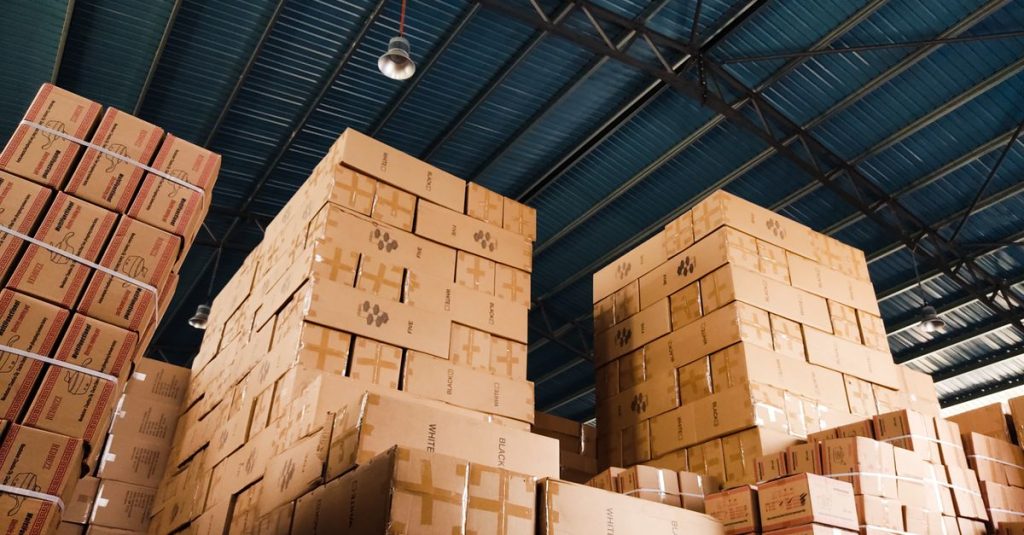
- Corrugated boxes — shipping cartons, mailer boxes, display units (E-flute, B-flute, BC-flute).
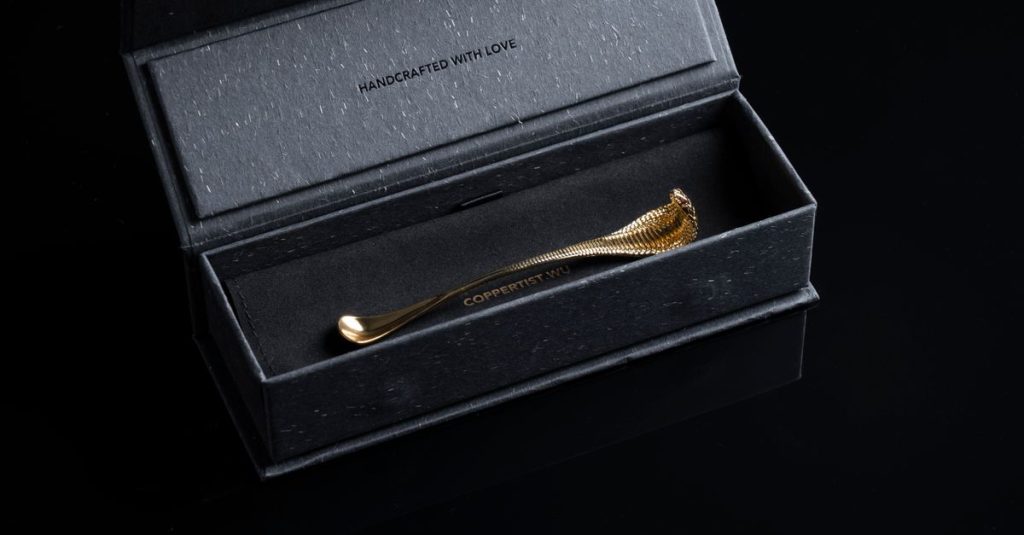
- Rigid boxes — magnetic closures, drawer-style, lid-and-base for cosmetics and electronics.
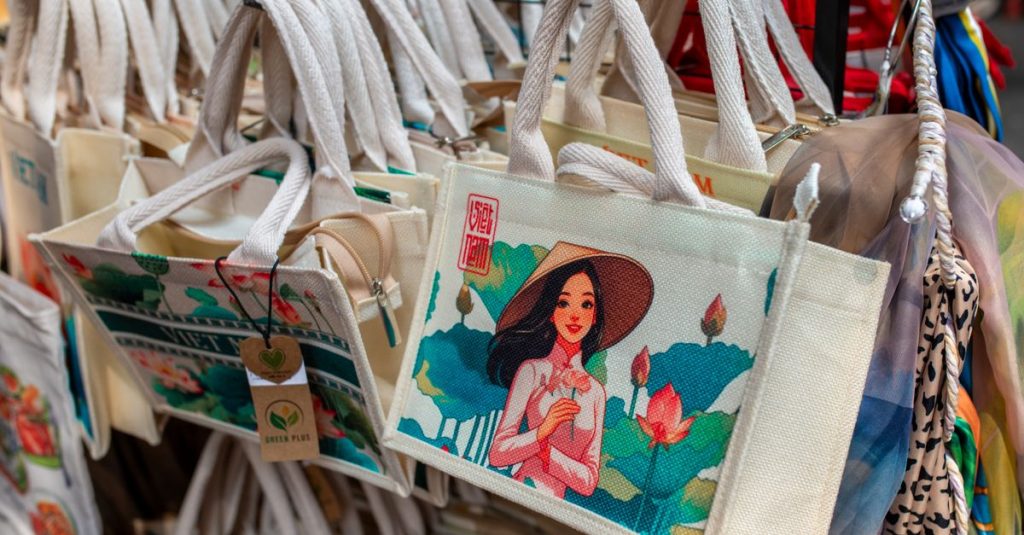
- Flexible packaging — stand-up pouches, kraft bags, mylar zip-lock bags.
- Labels & sleeves — shrink sleeves, pressure-sensitive labels, tamper-evident seals.
- Protective inserts — die-cut foam, molded pulp, corrugated dividers.
- Sustainable options — soy-based inks, water-based coatings, biodegradable PLA.
- Printing finishes — UV varnish, matte/gloss lamination, foil stamping, spot UV, embossing.
How Much Do Custom Packaging Companies in Malaysia Charge?
Answer (40–60 words): Custom packaging in Malaysia ranges from RM 0.35 per unit for corrugated mailers at 10,000-unit volumes to over RM 12 per unit for premium rigid boxes at 500-unit MOQs. Setup fees between RM 150–RM 800 are amortized across the production run.
Pricing is highly volume-sensitive. A 1,000-unit mailer box might cost RM 2.80 each, while 10,000 units drop to RM 1.10. Die-cutting and printing plates are one-time charges but significantly impact small-batch economics.
Typical KL price ranges (2026 market)
| Packaging Type | MOQ | Price Per Unit (MYR) |
|---|---|---|
| Corrugated mailer box (E-flute) | 500 | RM 1.20 – RM 2.50 |
| Corrugated mailer box (E-flute) | 10,000 | RM 0.45 – RM 0.85 |
| Rigid setup box with foil stamp | 500 | RM 8.50 – RM 14.00 |
| Stand-up pouch with zipper | 1,000 | RM 0.90 – RM 1.80 |
| Kraft paper bag with handles | 1,000 | RM 0.55 – RM 1.10 |
| Custom printed labels (roll) | 5,000 | RM 0.05 – RM 0.18 |
Always request a sample run before committing; reputable firms offer prototyping at RM 80–RM 250 per sample.
What Should You Look for When Choosing Custom Packaging Companies in KL?
Answer (40–60 words): The best KL packaging companies combine proven manufacturing capability, certifications (ISO 9001, FSC, halal), transparent pricing, in-house design support, and lead times under 21 working days. Buyers should evaluate firms on five non-negotiable criteria before signing a purchase order.
Many Malaysian SMEs choose purely on price and end up with misprinted colours, late deliveries, or non-compliant food-grade materials. A structured evaluation protects your brand and avoids costly rework.
Five non-negotiable selection criteria
- Material certification — FSC paper, FDA-grade or halal-compliant inks for F&B.
- In-house prototyping — physical samples within 5–7 days, not just digital mockups.
- MOQ flexibility — SMEs should target 500-unit MOQs for rigid boxes.
- Transparent dieline ownership — clients retain full IP rights to their custom dielines.
- Logistics integration — warehousing, kitting, and drop-shipping for e-commerce.
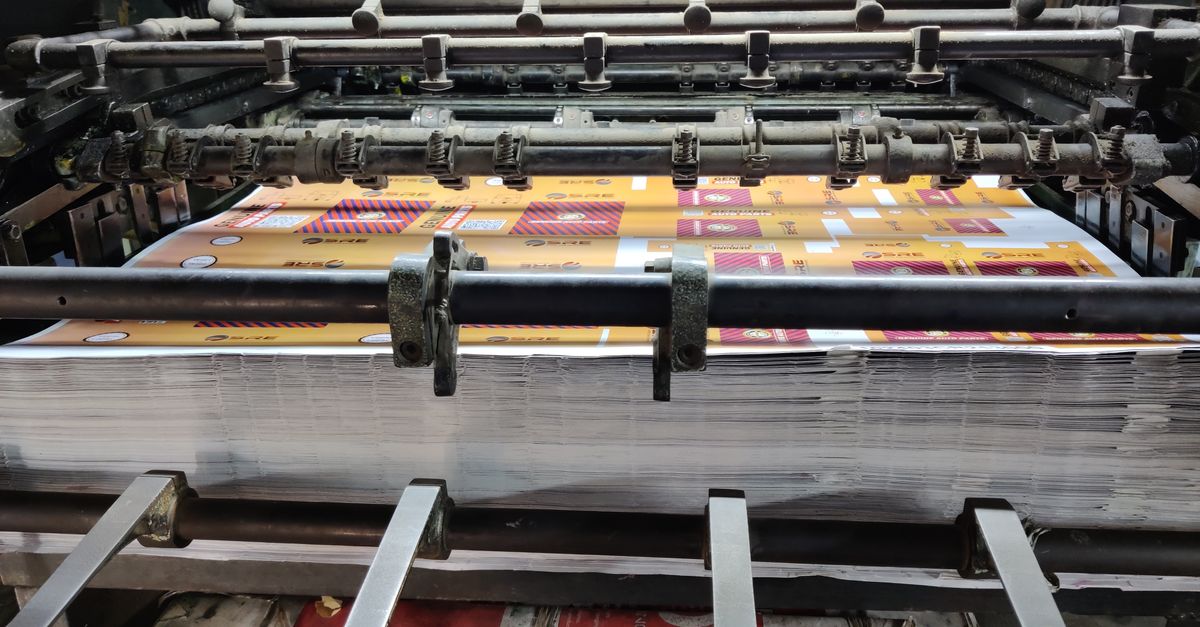
Tip: Visit the factory where possible. KL-area industrial visits let you inspect offset presses, die-cutters, and QC stations firsthand.
Who Are the Main Types of Clients Using Custom Packaging in Malaysia?
Answer (40–60 words): Custom packaging companies in Malaysia serve six primary client segments: FMCG brands, halal exporters, e-commerce sellers, cosmetics and skincare labels, electronics OEMs, and corporate gifting agencies. Each segment has distinct material, compliance, and finishing requirements.
Understanding your segment helps narrow the right provider. Halal exporters require vegetable-based inks and food-grade adhesives; e-commerce sellers prioritize dimensional weight optimization over decorative finishes.
Primary client segments
- FMCG & F&B — folding cartons, stand-up pouches, tamper-evident seals.
- Halal exporters — JAKIM-compliant inks, certified adhesives, bilingual labeling (Bahasa Malaysia + English/Arabic).
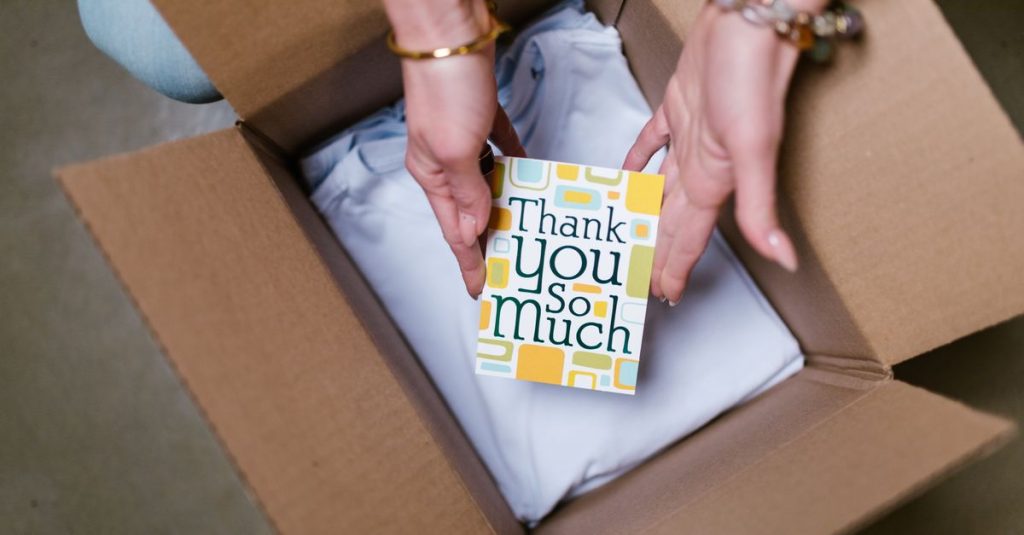
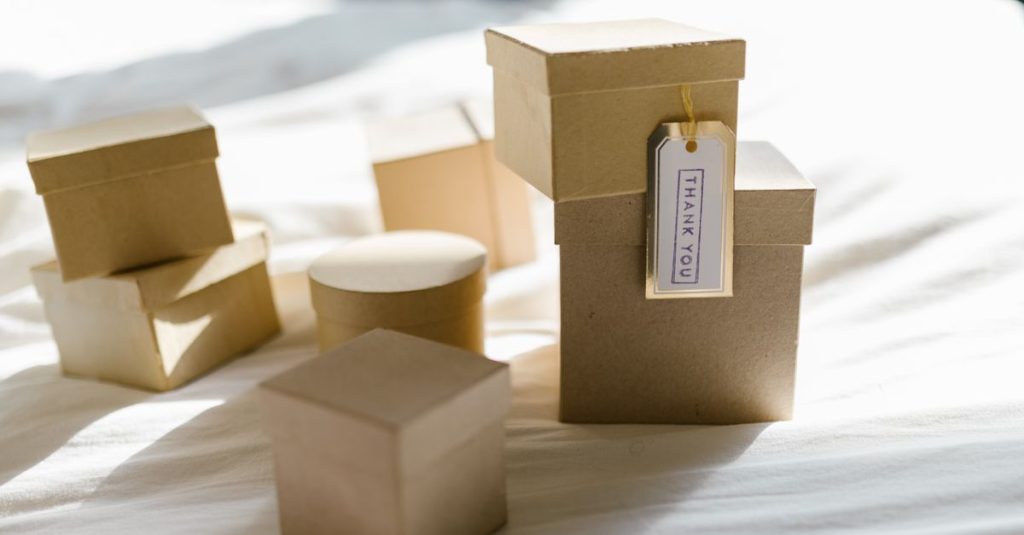
- E-commerce & D2C brands — mailer boxes, tissue paper, branded inserts, thank-you cards.
- Cosmetics & skincare — rigid boxes, frosted tubes, foil stamping, magnetic closures.
- Electronics & OEM — ESD-safe foam inserts, double-wall corrugated, anti-static bags.
- Corporate gifting — bespoke rigid boxes, ribbon closures, custom sleeves for festive seasons.
Where Are the Top Custom Packaging Companies Located in Kuala Lumpur?
Answer (40–60 words): Most leading KL packaging companies operate from three industrial clusters: Shah Alam (Section 23–26), Subang Jaya, and Sungai Besi, with satellite sales offices in KL Sentral and Bangsar. These zones offer proximity to Port Klang, KLIA Cargo, and a skilled printing workforce.
Shah Alam is Malaysia’s packaging manufacturing heartland, hosting dozens of FSC-certified corrugated and rigid box plants. Subang focuses on flexible packaging and labels; Sungai Besi specializes in POS displays and gift boxes.
KL industrial cluster overview
- Shah Alam — corrugated, rigid boxes, large-scale offset printing.
- Subang Jaya — flexible packaging, shrink sleeves, labels.
- Sungai Besi — POS displays, retail-ready packaging, gift boxes.
- Cheras — boutique printers, low-MOQ rigid box specialists.
- KL Sentral / Bangsar — sales offices, design studios, client showrooms.
Why Is Sustainable Custom Packaging Important for Malaysian Brands in 2026?
Answer (40–60 words): Sustainable custom packaging has become a strategic necessity for Malaysian businesses, with the Malaysian Plastics Sustainability Roadmap 2030 pushing brands toward recyclable mono-materials, FSC-certified paper, and reduced plastic layers. Export markets like the EU enforce strict PPWR regulations.
Sustainability is no longer optional. Major Malaysian retailers — AEON, Tesco, Mydin — now require suppliers to disclose recyclability and recycled-content percentages. FSC paper and soy-based inks also reduce import duties into several ASEAN markets.
Sustainable packaging priorities for 2026
- Mono-material pouches (PE-only or PP-only) for easier recycling.
- FSC-certified kraft paper with chain-of-custody documentation.
- Soy-based and water-based inks replacing petroleum-based options.
- Molded pulp inserts replacing expanded polystyrene (EPS) foam.
- Right-sized packaging to eliminate void fill and dimensional weight penalties.
- Take-back and reuse programs for e-commerce shippers.
How Does AEC Malaysia Help Businesses Choose the Right Custom Packaging Partner?
Answer (40–60 words): AEC Malaysia acts as a strategic sourcing partner for Malaysian businesses seeking vetted packaging suppliers, providing shortlisting, specification review, cost benchmarking, and quality audit coordination. AEC functions as an extension of your procurement team, not a printer.
For SMEs without internal packaging engineers, AEC bridges the gap between marketing vision and manufacturing reality. The team reviews dielines, negotiates MOQs, validates halal or food-grade certifications, and coordinates third-party lab testing where needed.
AEC’s packaging support services
- Supplier shortlisting from a pre-vetted network of 30+ KL packaging firms.
- Specification drafting and dieline review for first-time buyers.
- Cost benchmarking against current market rates in MYR.
- Quality audit coordination at supplier factories.
- Logistics planning for export shipments through Port Klang.
- Sustainability consulting aligned with the Malaysian Plastics Roadmap 2030.
Frequently Asked Questions (FAQs)
What is the typical MOQ for custom packaging in Malaysia?
Most Kuala Lumpur packaging companies set MOQs between 500 and 1,000 units for rigid boxes and 5,000 to 10,000 units for flexible packaging like pouches. Some boutique printers in Cheras and Subang accept 250-unit MOQs for premium rigid boxes, though unit pricing is higher.
How long does custom packaging production take in KL?
Standard lead times range from 10 to 21 working days after artwork approval, depending on material and finishing complexity. Rigid boxes with hot-foil stamping may take 25–30 days, while digital-printed short runs can be completed in 5–7 days.
Can Malaysian packaging companies ship internationally?
Yes. Most KL packaging manufacturers export to Singapore, Indonesia, the Middle East, and Australia. They typically arrange shipments through Port Klang or KLIA Cargo, with Incoterms EXW, FOB, or DDP available depending on the buyer’s preference.
Are there halal-certified packaging options in Malaysia?
Yes. Several KL packaging companies hold JAKIM halal certification for inks, adhesives, and food-contact materials — essential for F&B brands exporting to the Middle East and Brunei. Always request a valid halal certificate and chain-of-custody documentation.
What is the difference between rigid and corrugated packaging?
Rigid boxes (e.g., setup boxes, magnetic closure boxes) are made from thick paperboard (800–1500 gsm) and do not collapse flat. Corrugated boxes use fluted paper sandwiched between liners, offering higher compression strength for shipping. Rigid is for luxury retail; corrugated is for e-commerce and logistics.
How do I verify a packaging supplier’s quality before placing a bulk order?
Request physical samples, factory audit reports, ISO or FSC certificates, and references from existing clients. Reputable firms will gladly provide these. You can also commission an independent third-party inspection through firms such as SGS or Bureau Veritas operating in Malaysia.
Final Thoughts
Quick Answer: Choosing the right custom packaging company in Kuala Lumpur is one of the highest-leverage decisions a Malaysian brand can make in 2026. The right partner protects your product, elevates your brand, ensures regulatory compliance, and reduces total landed cost across every shipment.
Whether you’re a halal F&B exporter, a D2C skincare brand, or an electronics OEM, KL offers a deep and competitive packaging ecosystem. Combine clear specifications, certified suppliers, and a strategic advisor like AEC Malaysia to ensure your packaging investment pays back from the very first shipment.
Article last updated: 2026. Sources: AEC Malaysia supplier network, Malaysian Plastics Sustainability Roadmap 2030, ISO 9001 quality standards.