





Paper Bag Malaysia: The Complete Eco-Friendly Packaging Guide for Kuala Lumpur Businesses
Quick Answer: A paper bag is a recyclable packaging solution made from kraft, recycled, or specialty paper. In Malaysia, Kuala Lumpur businesses are rapidly adopting paper bags to meet consumer demand for sustainable packaging, comply with single-use plastic regulations, and elevate brand presentation in retail, F&B, and corporate gifting sectors.
What Is a Paper Bag and Why Is It Important in Malaysia?
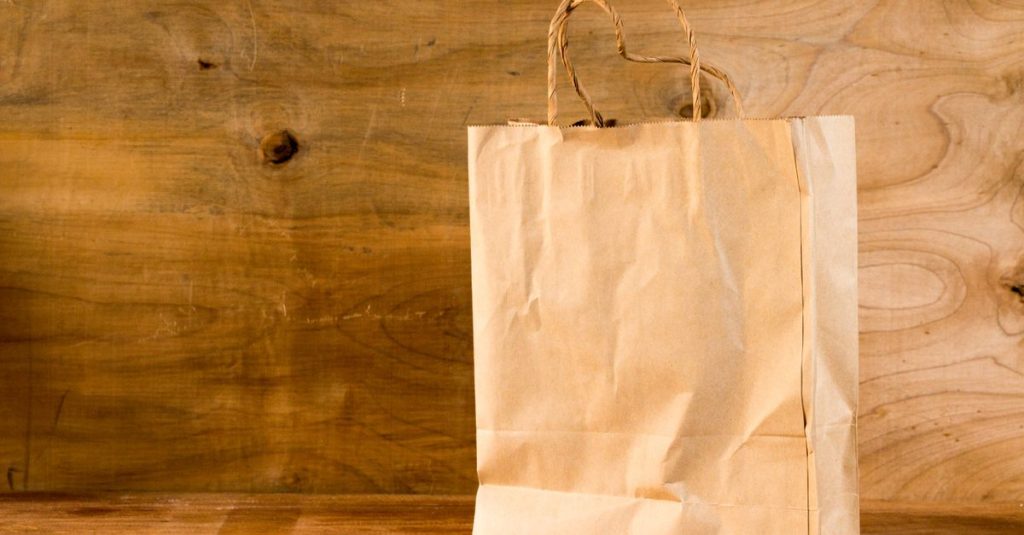
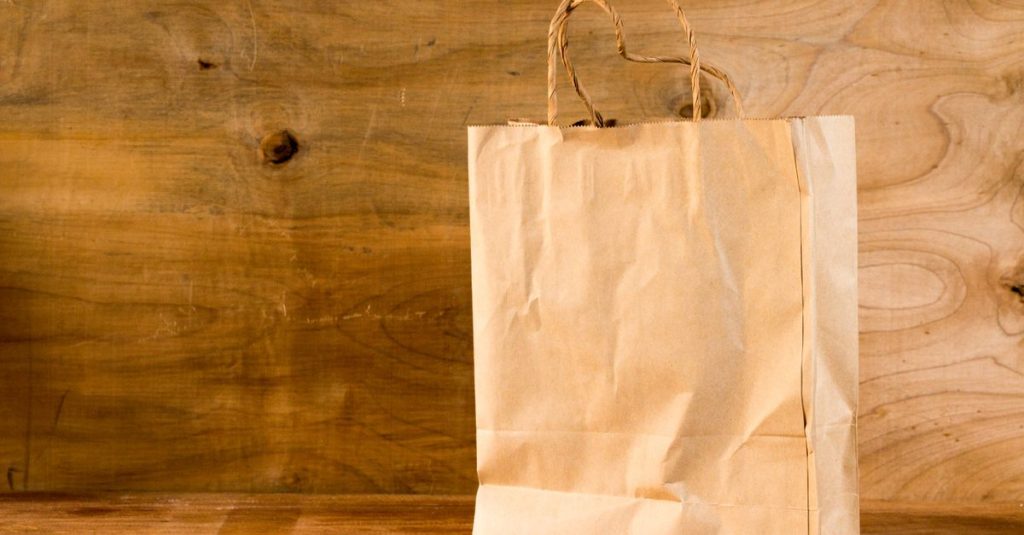
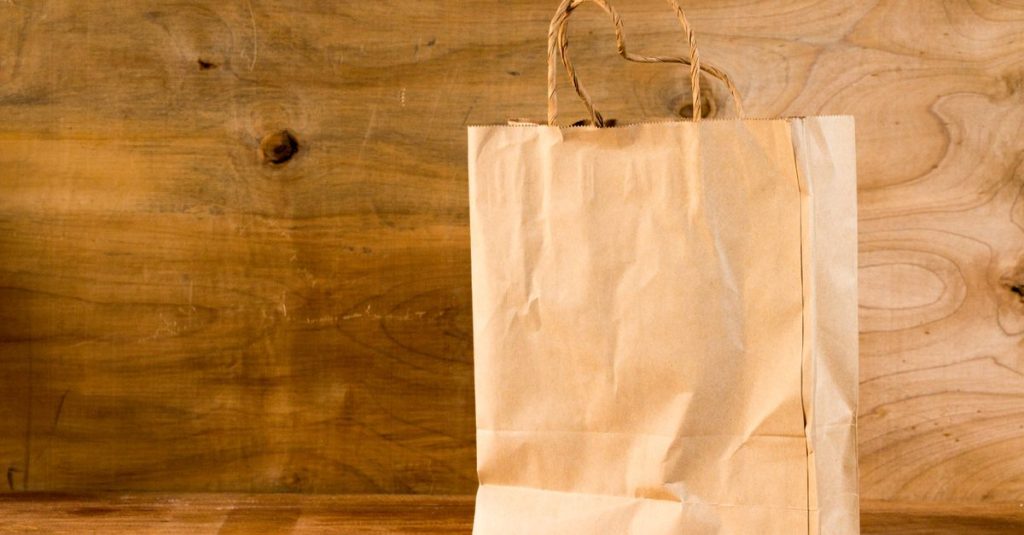
A paper bag is a container made from kraft paper, recycled cardboard, or specialty paper stocks designed to carry goods, food, gifts, and retail purchases. Paper bags have been used commercially since the mid-1800s and remain a leading sustainable alternative to single-use plastic bags across global and Malaysian markets.
In Malaysia, paper bags are now essential because:
- Single-use plastics are restricted across Selangor, Penang, and parts of Kuala Lumpur.
- Consumer preference has shifted toward visible eco-friendly packaging at point of sale.
- Brand premium perception increases when businesses use paper over plastic carrier bags.
- Corporate ESG reporting now requires measurable packaging sustainability disclosures.
What Are the Main Types of Paper Bags Available in Kuala Lumpur?
KL packaging suppliers typically offer five engineered paper bag categories, each matched to a specific commercial use-case.
| Type | Material | Best For | Avg. Unit Cost (MYR) |
|---|---|---|---|
| Flat Handle | 100–150 gsm kraft | Bakeries, boutique retail | 0.30–0.60 |
| Twisted Handle | 100–180 gsm kraft | Department stores, gifts | 0.80–1.50 |
| Rope/Ribbon Handle | 150–250 gsm art card | Luxury, jewellery, cosmetics | 1.80–3.50 |
| SOS (Self-Opening Sack) | 70–90 gsm kraft | Groceries, takeout, pharmacy | 0.15–0.40 |
| Foil/PE-Lined | Food-grade kraft + lining | Hot food, oily goods | 0.90–2.00 |
How Are Paper Bags Manufactured and What Materials Are Used?
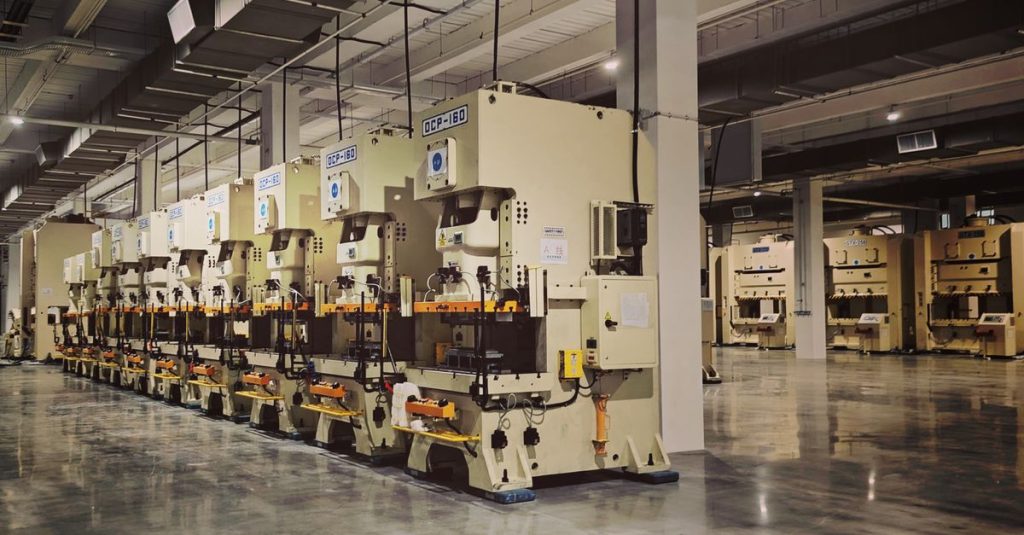
Paper bag manufacturing uses FSC-certified virgin pulp, 100% recycled fibre, or a hybrid blend. The core production stages are sequential and quality-controlled at each step.
- Pulping – Wood chips or recycled paper are broken down into a fibre slurry.
- Sheet forming – Pulp is pressed and dried into rolls at 70–250 gsm thickness.
- Printing – Offset, flexo, or digital printing applies brand artwork with Pantone matching.
- Cutting & creasing – Sheets are die-cut into flat bag blanks.
- Gluing/folding – Side seams and bottom flaps are heat-sealed or cold-glued.
- Handle attachment – Twisted paper, flat tape, or rope handles are inserted.
- Quality control – Load testing, GSM verification, and print audit before dispatch.
Common substrate options for Malaysia include:
- Kraft paper – brown, unbleached, highest tensile strength.
- White kraft – bleached, ideal for full-colour CMYK printing.
- Art card – smooth-coated, premium retail finishes.
- Recycled board – 80–100% post-consumer fibre, lowest carbon footprint.
Why Are Kuala Lumpur Businesses Switching to Paper Bags in 2026?
Malaysia’s paper bag market is growing at an estimated 7.2% CAGR, driven by three converging regulatory, consumer, and corporate factors.
1. Regulatory Pressure
The Ministry of Natural Resources announced phased restrictions on single-use plastics beginning 2026, with full-state bans expected in KL and Putrajaya by 2027. Retailers must provide recyclable alternatives.
2. Consumer Behaviour Shift
A 2025 Nielsen Malaysia survey found 68% of urban shoppers in the Klang Valley actively prefer paper-based packaging when given the choice, and 54% would pay a small premium (5–10 sen per bag) for sustainable options.
3. Corporate ESG Compliance
Bursa Malaysia’s amended sustainability reporting framework requires listed companies to disclose packaging materials, pushing B2B procurement toward certified paper solutions.
What Should KL Businesses Look for When Choosing a Paper Bag Supplier?
Procurement managers in Kuala Lumpur should evaluate suppliers against five non-negotiable criteria before signing a purchase order.
- FSC or PEFC certification to verify sustainable fibre sourcing.
- Minimum Order Quantity (MOQ) typically 1,000–5,000 units for custom print.
- Lead time of 7–14 working days for stock sizes, 21–30 days for bespoke.
- In-house design support including dieline templates and Pantone matching.
- Load capacity testing rated at 3–12 kg depending on bag construction.
Browse the full product catalogue and custom-print options at aec.com.my/products/.
How Much Do Custom Paper Bags Cost in Malaysia?
Custom paper bag pricing in Kuala Lumpur depends on five variables: bag size, paper GSM, print complexity, handle type, and run quantity.
- Small kraft (20 × 25 cm) flat handle, 1,000 units: MYR 350–550
- Medium twisted handle (30 × 40 cm), 2,000 units: MYR 1,800–2,600
- Large rope handle (40 × 50 cm) art card, 1,000 units: MYR 2,200–3,800
- Foil-lined food bag (25 × 30 cm), 5,000 units: MYR 4,500–6,200
Volume discounts of 12–25% typically apply at 10,000+ units. Always request a physical sample before mass production to verify colour accuracy and handle strength.
Where Are Paper Bags Used Most in Kuala Lumpur?
Paper bag demand in KL clusters strongly around five commercial sectors with measurable volume.
- Retail fashion & boutiques in Pavilion, Suria KLCC, and Bangsar Village.
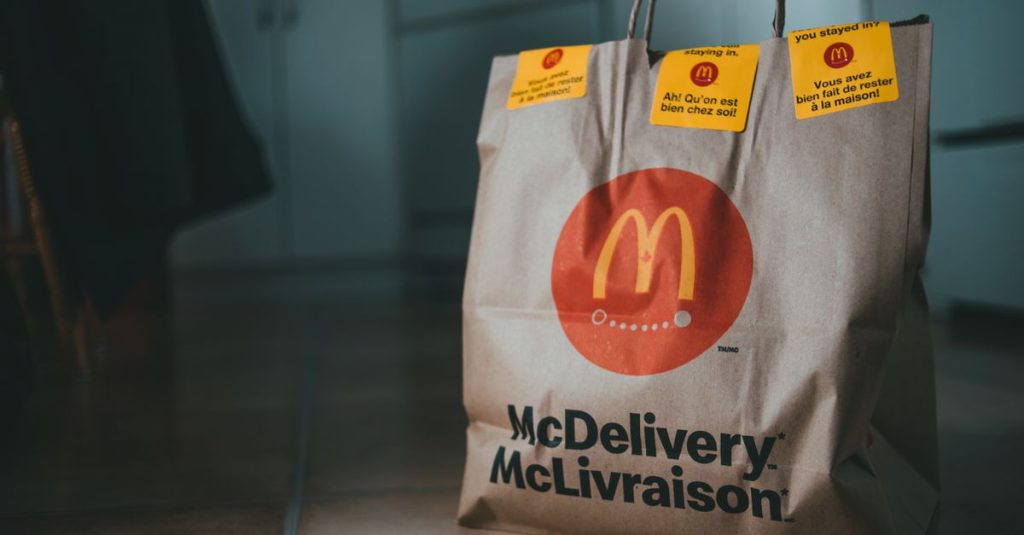
- F&B and cafés in Petaling Jaya and Mont Kiara for takeaway and delivery.
- Corporate gifting during Chinese New Year, Hari Raya, and Deepavali seasons.
- Pharmacy and wellness retail chains replacing plastic carrier bags.
- Event and wedding favours requiring bespoke printed designs.
How Can You Verify the Sustainability of a Paper Bag?
Not all paper bags deliver equal environmental performance. Use this three-step verification framework before committing to a supplier.
- Check chain-of-custody certifications – look for FSC C-code or PEFC logos on invoices.
- Request material disclosure sheets confirming recycled content percentage and fibre origin.
- Audit the supplier’s ink system – soy-based and water-based inks have 40–60% lower VOC emissions than petroleum-based alternatives.
Frequently Asked Questions (FAQs)
Are paper bags in Malaysia more expensive than plastic bags?
Yes. Paper bags cost 3–8× more per unit than single-use plastic carrier bags, but they deliver stronger brand value, are recyclable, and meet Malaysia’s single-use plastic restrictions taking effect in 2026–2027.
What is the minimum order quantity for custom-printed paper bags in KL?
Most Kuala Lumpur suppliers require a 1,000-unit MOQ for custom printing, though blank stock bags are available from 100 units for immediate dispatch.
How long do paper bags take to decompose?
Uncoated paper bags decompose in 2–6 weeks under tropical Malaysian humidity and rainfall, while plastic bags take 10–1,000 years depending on thickness and UV exposure.
Can paper bags hold hot or oily food safely?
Yes, when lined with food-grade PE, PLA, or wax coating. Foil-lined paper bags are engineered for up to 95°C food contact and are widely used in Malaysian kopitiams and bakeries.
Where can I order paper bags in Kuala Lumpur?
Browse certified, customisable paper bag options directly at aec.com.my/products/ for FSC-certified kraft, twisted-handle, and foil-lined solutions with full custom printing.
Author Bio: AEC Malaysia is a Kuala Lumpur-based packaging supplier specialising in FSC-certified paper bags, kraft pouches, and custom-printed retail packaging for SME and enterprise clients across Malaysia.