




Custom Box Packaging in Kuala Lumpur: Complete Malaysia Guide 2026
Quick Answer: Custom box packaging is the process of designing and manufacturing shipping, retail, or product boxes to a brand’s exact specifications, including dimensions, board grade, print artwork, and finishing. In Malaysia, Kuala Lumpur is the primary sourcing hub, with most commercial printers and packaging converters concentrated in the Klang Valley to serve SMEs, F&B brands, and e-commerce sellers.
Why Is Custom Box Packaging Important for Malaysia Businesses?
Direct Answer: Custom box packaging protects products during transit, communicates brand identity, and meets Malaysia’s regulatory labeling requirements. For local SMEs competing against regional players, a well-designed box functions as both logistics equipment and a marketing asset, lowering damage-related returns and strengthening perceived value at the point of sale.
Key business reasons include:
- Product Protection: Reduces breakage, moisture ingress, and stacking failures during cross-border shipping to Singapore, Indonesia, and Thailand.
- Brand Recognition: Printed logos and colour systems increase shelf recall by an estimated 30-80% compared to plain brown cartons.
- Compliance: Custom boxes can embed SIRIM, halal (JAKIM), and nutritional labeling fields required for Malaysian retail and F&B categories.
- Customer Experience: Unboxing is now a documented conversion driver, with 40% of Malaysian online shoppers citing packaging as a factor in repeat purchase intent.
- Cost Efficiency: Right-sized boxes reduce dimensional weight surcharges from courier partners like Pos Malaysia, J&T, and Ninja Van.
What Are the Main Types of Custom Boxes Available in KL?
Direct Answer: The main types of custom boxes available in Kuala Lumpur include corrugated shipping cartons, rigid setup boxes, folding cartons, mailer boxes, and corrugated display units. Each type uses different paperboard substrates, structural formats, and print processes, so the correct choice depends on product weight, retail channel, and budget per unit.
Corrugated Shipping Cartons
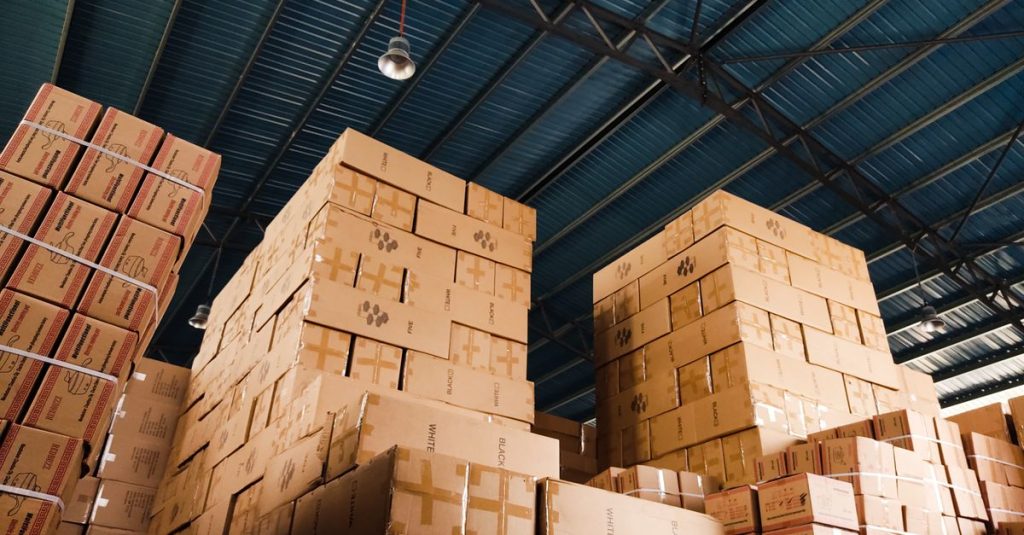
The standard workhorse of Malaysian logistics. Made from single-wall or double-wall corrugated board (typically B-flute or C-flute), these are used for shipping bulk goods and e-commerce orders.
- B-Flute (3mm): Thin, stiff, ideal for retail shelf-ready packaging.
- C-Flute (4mm): Most common for general shipping cartons in Malaysia.
- E-Flute (1.5mm): Used for small printed consumer boxes such as cosmetics and phone accessories.
- BC-Double Wall: Heavy-duty format for industrial parts and large appliances.
Rigid Setup Boxes
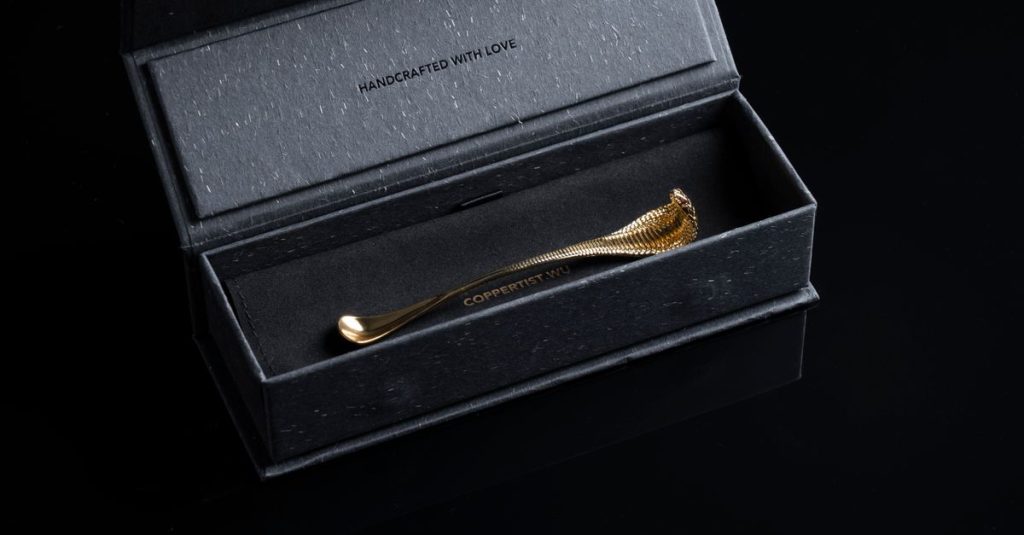
Premium, non-collapsible boxes used by luxury, jewelry, and electronics brands in KL’s upscale retail sector. Made from greyboard wrapped in printed or textured paper, they deliver a high-tactile unboxing experience but cost 3-8x more than folding cartons.
Folding Cartons
Flat-printed cartons that ship flat and pop into shape. Widely used for FMCG, cosmetics, pharmaceuticals, and supplements, including products sold in Malaysia’s Guardian, Watsons, and Caring Pharmacy chains.
Mailer Boxes
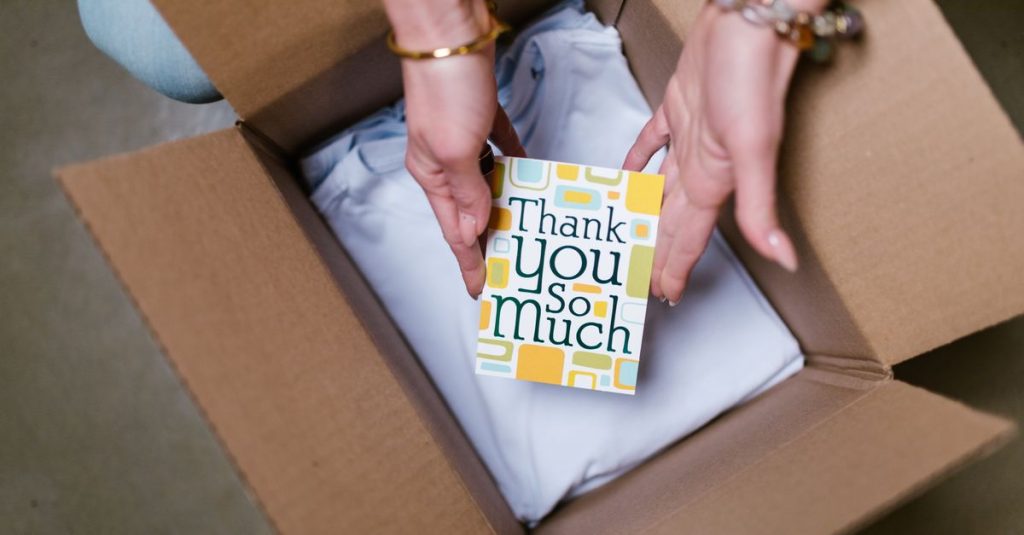
The fastest-growing segment, driven by Shopee and Lazada sellers. Self-locking, no-tape-required mailers are typically printed in full colour and used for curated e-commerce unboxing experiences.
What Printing Methods Are Used for Custom Boxes in Malaysia?
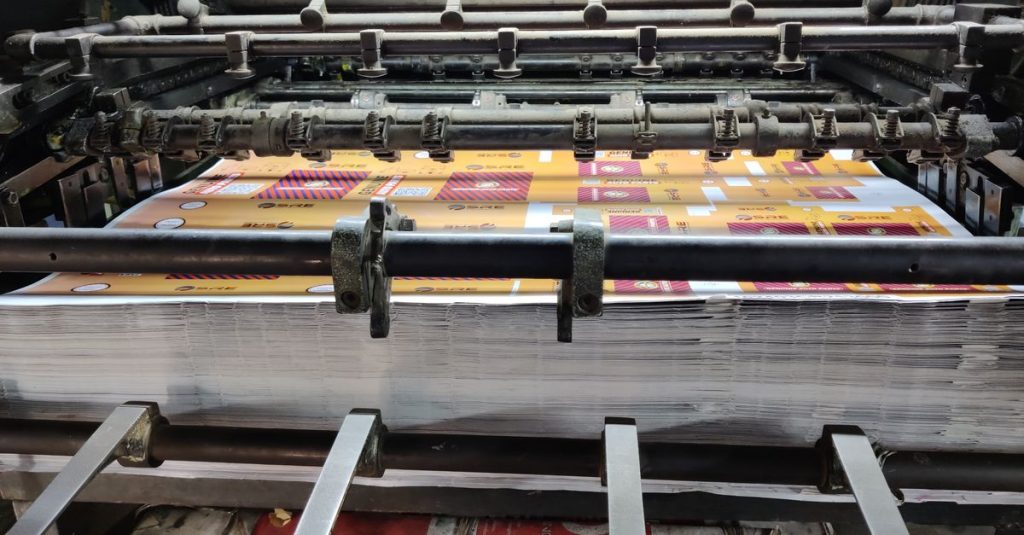
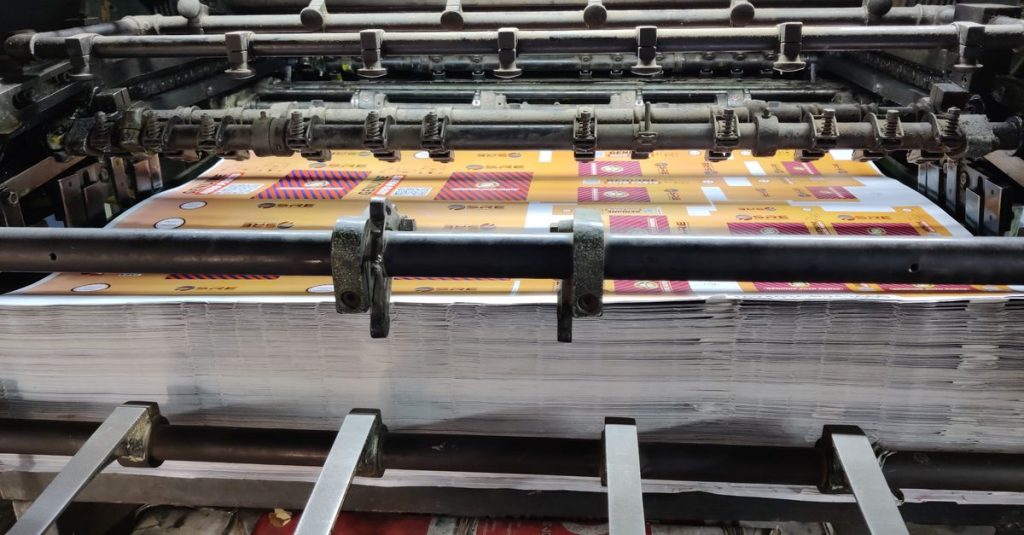
Direct Answer: The most common printing methods for custom boxes in Malaysia are offset lithography, flexographic printing, and digital printing. Each method suits different run lengths, colour complexity, and substrate types, so choosing correctly controls both unit cost and print quality.
- Offset Printing: Best for medium-to-large runs (typically 1,000+ units). Delivers sharp photographic quality and accurate Pantone matching, ideal for FMCG folding cartons.
- Flexographic Printing: Cost-effective for long runs of corrugated cartons. Uses flexible relief plates and is standard for brown shipping boxes with 1-3 colour logos.
- Digital Printing: Best for short runs (1-500 units), prototyping, and personalised packaging. No plate costs, faster turnaround, but higher per-unit price.
- Screen Printing: Used for specialty finishes, thick metallic inks, and large flat substrates like rigid box wraps.
How Much Does Custom Box Packaging Cost in Kuala Lumpur?
Direct Answer: Custom box packaging in Kuala Lumpur typically costs between RM0.30 and RM8.00 per unit depending on size, material, print method, and finish. Volume is the single biggest price lever, with MOQ tiers starting at 100 units for digital printing and 1,000 units for offset production.
Typical price ranges (2026 KL market):
| Box Type | Quantity | Indicative Price (RM/unit) |
|---|---|---|
| Plain brown corrugated carton | 1,000+ | RM0.30 – RM0.80 |
| Printed mailer box (digital) | 100-500 | RM2.50 – RM5.00 |
| Printed mailer box (offset) | 1,000-5,000 | RM1.20 – RM3.50 |
| Folding carton (offset, full colour) | 1,000+ | RM0.80 – RM2.50 |
| Rigid setup box | 100+ | RM5.00 – RM25.00 |
Additional cost factors include:
- Die-Cut Tooling: RM300 – RM1,500 one-time fee for custom shapes.
- Lamination: Matte or gloss lamination adds RM0.10 – RM0.40 per unit.
- Spot UV / Hot Foil: RM0.20 – RM1.00 per unit, used for premium branding.
- Delivery: Most KL suppliers deliver within Klang Valley free for orders above RM500.
How to Choose the Right Custom Box Supplier in Malaysia?
Direct Answer: To choose the right custom box supplier in Malaysia, evaluate their production capacity, in-house design support, material sourcing transparency, MOQ flexibility, and lead times. KL has over 200 packaging suppliers, but capability varies widely between trade printers, integrated converters, and OEM factories.
Step-by-Step Supplier Evaluation
- Confirm Manufacturing Location: Prefer suppliers with in-house facilities in Selangor or KL rather than pure trading companies that outsource production.
- Request Material Certificates: FSC-certified paperboard and food-grade inks are essential for F&B and export clients.
- Review Sample Policy: Reputable suppliers offer paid prototypes before bulk production.
- Check Lead Times: Standard lead time in Malaysia is 7-14 working days after artwork approval.
- Compare MOQ Tiers: Some KL converters now accept MOQs as low as 50 units for digital-printed boxes.
- Verify Export Capability: If shipping to Singapore, Indonesia, or Australia, confirm the supplier handles export documentation.
For a curated selection of locally manufactured custom boxes and packaging products, browse the AEC product catalogue at https://aec.com.my/products/.
What Sustainability Options Exist for Custom Boxes in Malaysia?
Direct Answer: Sustainable custom box options in Malaysia include FSC-certified paperboard, kraft corrugated board, soy-based inks, water-based adhesives, and plastic-free lamination alternatives. Sustainability has shifted from a marketing feature to a buyer requirement under regulations like the EU Packaging and Packaging Waste Regulation (PPWR).
- Kraft Corrugated: Unbleached, recyclable, strong shelf appeal for natural and organic brands.
- FSC-Certified Board: Required for many export markets; verify the supplier’s chain-of-custody certificate.
- Soy-Based Inks: Lower VOC emissions and easier de-inking during recycling.
- Water-Based Coatings: Replace plastic lamination while providing scuff resistance.
- Right-Sizing: Reducing box dimensions by 10-20% lowers material use and shipping costs simultaneously.
According to the foundational definitions outlined in the Wikipedia article on boxes, a box is a container with rigid sides, distinguishing it from flexible pouches or bags. This structural rigidity is what makes paperboard-based packaging fully recyclable within standard paper mill streams, a key advantage over plastic-based alternatives.
Frequently Asked Questions (FAQs)
What Is the Minimum Order Quantity for Custom Boxes in KL?
The minimum order quantity (MOQ) for custom boxes in Kuala Lumpur ranges from 50 to 1,000 units depending on the printing method. Digital-printed mailers and folding cartons can start as low as 50-100 units, while offset-printed runs and custom die-cut tooling typically require at least 1,000 units to be cost-effective.
How Long Does Custom Box Production Take in Malaysia?
Standard custom box production in Malaysia takes 7-14 working days after artwork and dieline approval. Rigid setup boxes and complex finishing such as hot foil stamping can extend lead times to 3-4 weeks, especially during peak pre-Ramadan and year-end retail seasons in KL.
Can Malaysian Box Suppliers Ship to Singapore?
Yes, most Malaysian custom box suppliers ship to Singapore via cross-border logistics or consolidated sea freight. Singapore-bound orders are typically delivered in 3-5 working days by land, and suppliers usually handle the necessary customs documentation including HS code 4819 for paper-based packaging.
Is Custom Packaging Worth the Cost for Small Businesses?
Custom packaging is worth the cost for small businesses selling through e-commerce or premium retail channels, as it increases perceived product value and reduces damage returns. For purely commodity goods sold on tight margins, plain brown cartons with sticker labels offer a more cost-effective middle ground.
What Information Must Appear on Malaysian Product Boxes?
Malaysian product boxes must display the product name, net weight or volume, ingredient list (for F&B), manufacturer address, expiry date, and any required SIRIM or JAKIM halal certification marks. Products exported from Malaysia may also need country-of-origin declarations per FTA requirements.
Conclusion
Custom box packaging is a strategic investment for Malaysia-based brands, not just a logistics cost. By selecting the right box type, print method, and supplier in Kuala Lumpur, businesses can reduce damage rates, strengthen brand identity, and meet both local regulatory and international sustainability standards. Begin by requesting prototypes from at least two KL suppliers, comparing material certifications and MOQ flexibility, and aligning box specifications with your target retail or e-commerce channel.