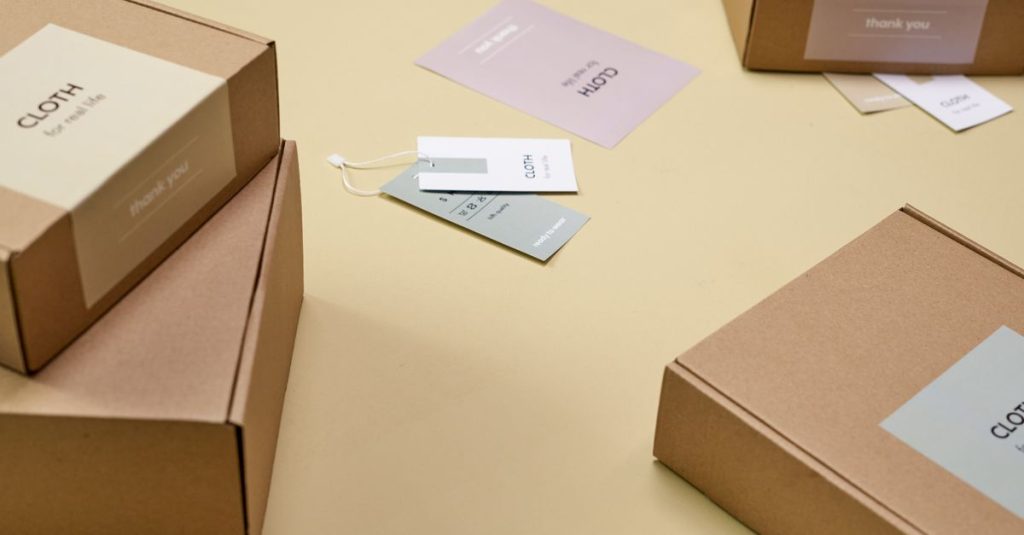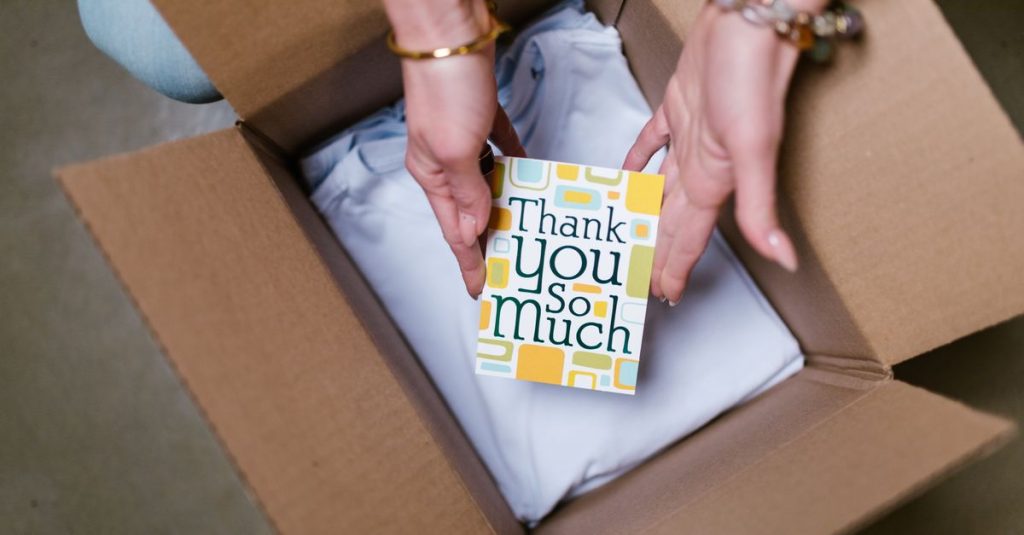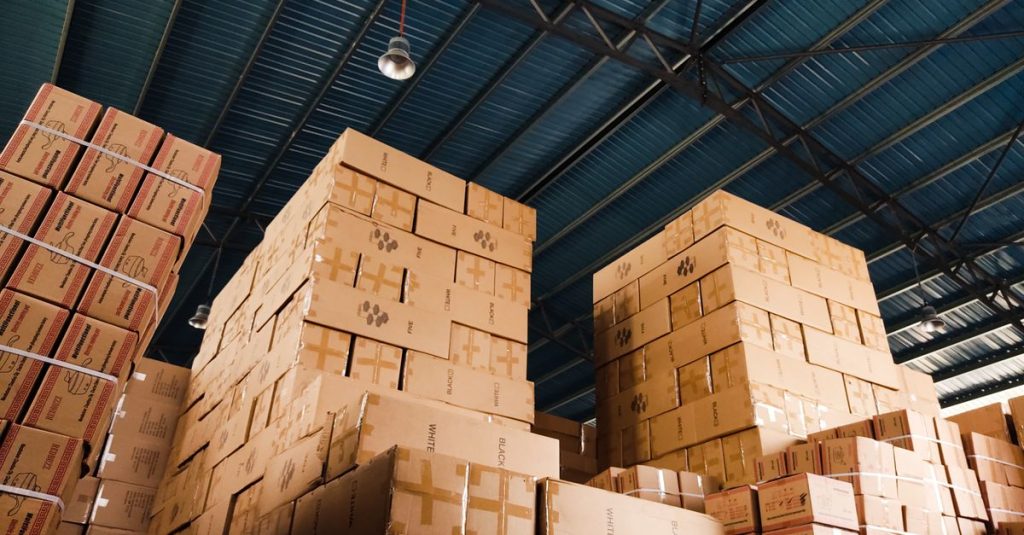






Quick Answer: A packaging box is a rigid or semi-rigid container made from paperboard, corrugated fiberboard, plastic, or wood, used to protect, ship, store, and present goods. In Malaysia, packaging boxes serve as strategic assets for e-commerce, F&B, electronics, and manufacturing, contributing over RM 8 billion annually to national GDP with Kuala Lumpur as the central design and distribution hub.
What Is a Packaging Box and Why Does It Matter in Malaysia?
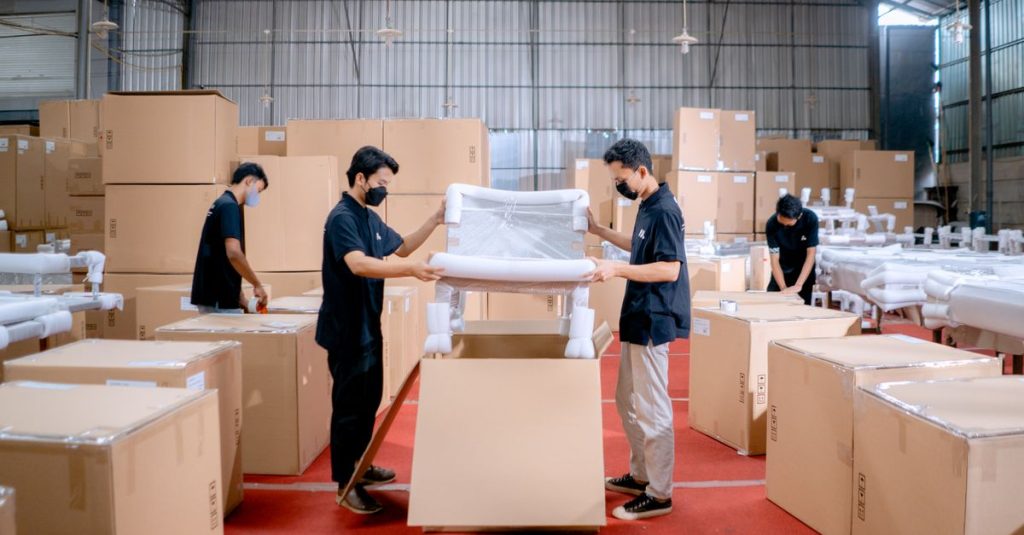
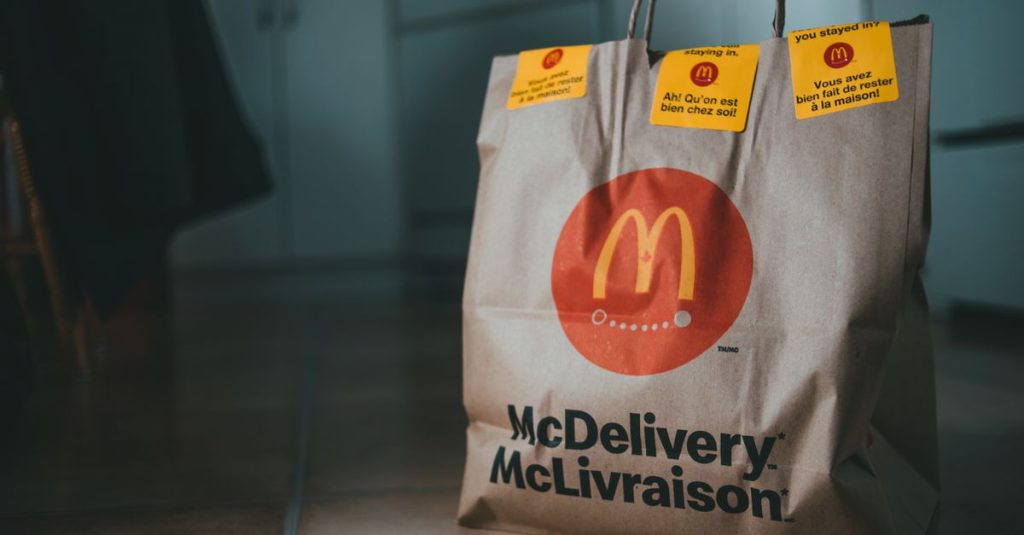
A packaging box is a rigid or semi-rigid container, typically made from paperboard, corrugated fiberboard, plastic, or wood, designed to protect, transport, store, and present goods. In Malaysia’s fast-growing e-commerce, F&B, electronics, and manufacturing sectors, the packaging box has become a strategic asset rather than just a shipping afterthought. Malaysia’s packaging industry contributes over RM 8 billion annually to national GDP, with Kuala Lumpur serving as a central distribution and design hub.
The right packaging box safeguards products against moisture, impact, and tampering during last-mile delivery across Malaysia’s tropical climate. It also functions as a silent brand ambassador through custom printing, embossing, and structural design. Businesses seeking vetted options can explore the AEC product catalogue for localized selections.
Which Types of Packaging Boxes Are Most Common in Kuala Lumpur?
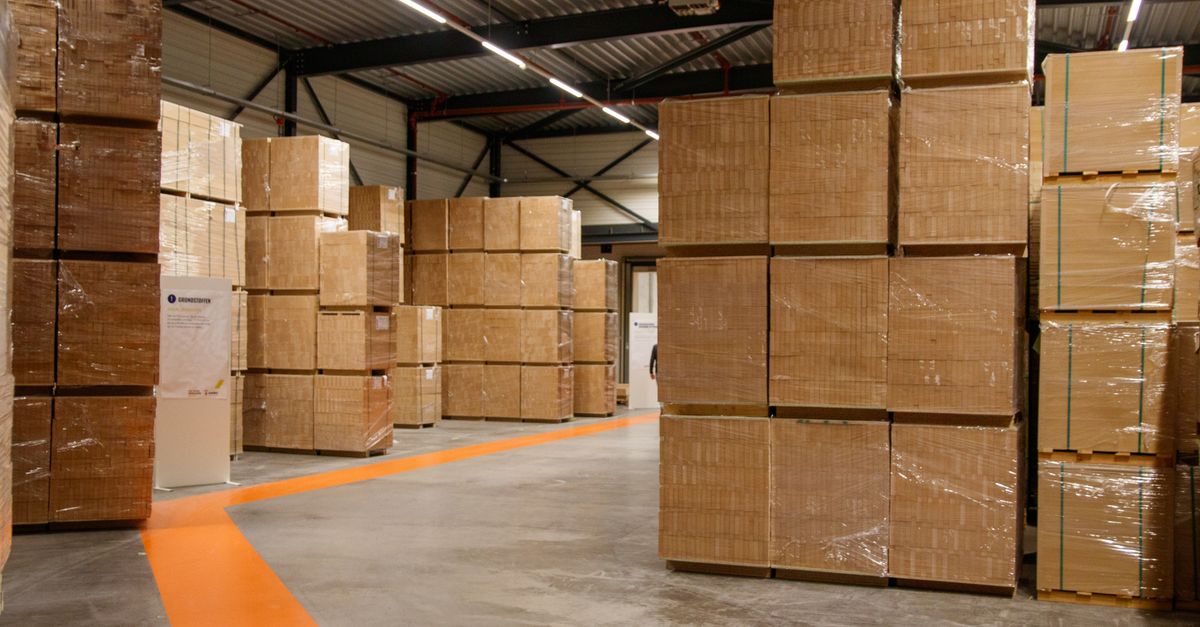
Kuala Lumpur suppliers typically stock five core packaging box categories, each engineered for specific weight ranges, retail presentation, or industrial use. Corrugated boxes dominate shipping, while rigid setup boxes dominate luxury segments.
- Corrugated Boxes: Single-wall, double-wall, and triple-wall flute structures for shipping and e-commerce fulfillment. Load capacity ranges from 5 kg to 80 kg.
- Folding Cartons (Paperboard): Lightweight boxes made from SBS, CCNB, or kraft paperboard, ideal for cosmetics, pharmaceuticals, and food retail.
- Rigid Setup Boxes: Non-collapsible premium boxes for electronics, jewelry, and corporate gifts; thickness typically 1.5 mm to 3 mm.
- Telescope and Slide Boxes: Two-piece designs with separate lids, popular in confectionery, apparel, and gift packaging.
- Heavy-Duty Wooden Crates and Plywood Boxes: Industrial-grade enclosures for machinery export and OEM parts.
What Materials Are Used to Manufacture Packaging Boxes?
Packaging box structural integrity depends entirely on its substrate. Malaysian manufacturers source virgin and recycled fibers under the MS 1554:2002 standard for corrugated packaging. Common material specifications include:
- Kraft Liner (Test Liner): Bursting strength between 8–14 lbs/in²; used for outer liners.
- Fluting Medium (Semi-Chemical or Waste-Based): Flute heights from 1.5 mm (E-flute) to 8 mm (BC-flute).
- Solid Bleached Sulfate (SBS): Clay-coated paperboard for premium folding cartons.
- Greyboard and Chipboard: Recycled rigid board used in setup boxes.
- Plastic and Corrugated Plastic (PP/PE): Moisture-resistant alternatives for cold-chain logistics.
According to the Wikipedia reference on boxes, modern packaging containers trace their engineering lineage to 19th-century cardboard innovations, evolving today into smart, trackable, and sustainable formats.
How Do You Choose the Right Packaging Box for Your Product?
Selecting the correct packaging box requires matching product weight, fragility, shelf life, and regulatory compliance to a structural format. An e-commerce parcel box for a 2 kg apparel shipment differs greatly from a 25 kg electronic appliance box. Use this 5-step selection framework:
- Define Product Weight and Dimensions: Measure the longest, widest, and tallest points plus gross weight.
- Assess Shipping Hazards: Identify exposure to shock, vibration, humidity, or stacking compression.
- Match Flute Type to Use Case: E-flute for retail presentation, B-flute for general shipping, BC-flute for heavy goods.
- Calculate Box Compression Strength (BCT): Use BCT = 5.87 × ECT × √(Flute perimeter) to estimate load tolerance.
- Plan Print and Branding Specs: Choose offset, flexo, or digital printing based on order volume and artwork complexity.
What Custom Printing and Finishing Options Are Available in KL?
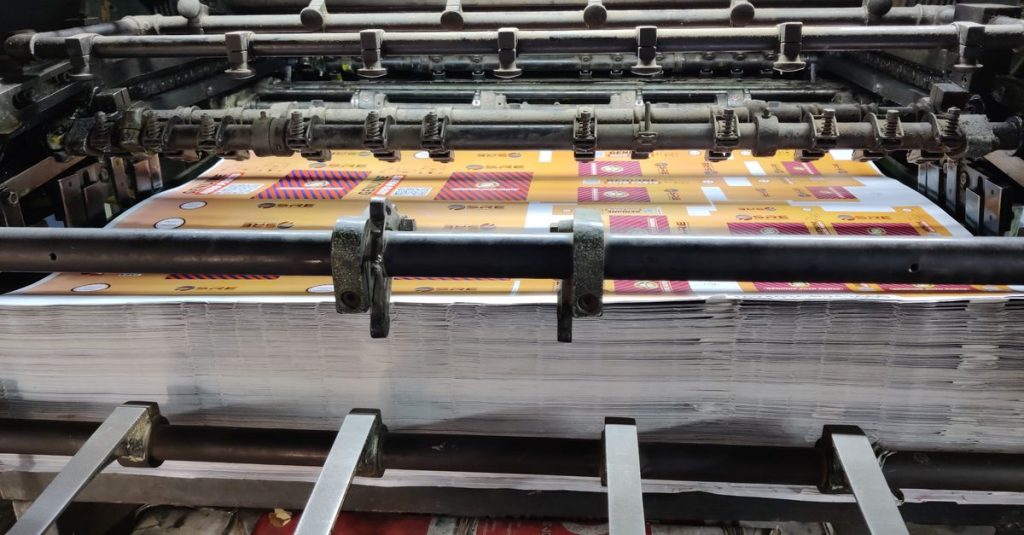
Kuala Lumpur’s packaging suppliers offer extensive in-house finishing capabilities that transform a generic box into a brand-defining asset. Most converters operate offset and digital presses with Pantone matching plus a full finishing suite.
- Offset and Flexo Printing: Up to 7 colors with 150-line screen for sharp imagery.
- Digital Printing: Cost-effective short runs of 100–500 units with variable data support.
- Finishing Options: Matte or gloss lamination, soft-touch coating, UV spot varnish, foil stamping, and embossing.
- Inserts and Dividers: Molded pulp, EVA foam, or corrugated partitions for product separation.
- Sustainable Inks: Soy-based and water-based inks compliant with FDA and SIRIM standards.
What Are the Packaging Box Pricing Factors in Malaysia?
Packaging box prices in Kuala Lumpur depend on raw material costs, print complexity, order quantity, and turnaround time. As of 2026, kraft and recycled liner prices have stabilized after global pulp fluctuations, but MOQ thresholds still drive most savings.
- Material Grade: Virgin kraft costs 18–25% more than recycled test liner.
- Order Volume: Orders above 5,000 units typically unlock 12–20% volume discounts.
- Tooling and Die-Cut Charges: One-time fees ranging from RM 350 to RM 1,500 per SKU.
- Lead Time: Standard production runs take 7–10 working days; rush jobs cost 25–40% more.
- Delivery Distance: Last-mile delivery outside the Klang Valley adds RM 0.30–RM 0.80 per box.
How Is the Packaging Box Industry in Malaysia Addressing Sustainability?
Sustainability is now a procurement requirement rather than a marketing differentiator. Malaysia’s packaging industry is aligned with the Extended Producer Responsibility (EPR) framework and the Malaysia Plastics Sustainability Roadmap 2030, driving rapid adoption of circular materials.
- FSC-Certified Paperboard: Sourced from responsibly managed forests with chain-of-custody verification.
- Recycled Content Boxes: Boxes containing 70–100% post-consumer waste (PCW).
- Soy-Based Inks: Replacing petroleum-based alternatives for compostable packaging.
- Right-Sizing: Engineering boxes to eliminate 30–40% of internal void space.
- Reusable Packaging: Deposit-return systems for B2B industrial totes and crates.
Who Are the Main Packaging Box Suppliers in Kuala Lumpur?
Kuala Lumpur is home to a dense network of converters, OEM manufacturers, and stock packaging distributors serving SMEs and multinational clients. Most suppliers operate from industrial corridors in Shah Alam, Petaling Jaya, and Sungai Besi. Supplier categories include:
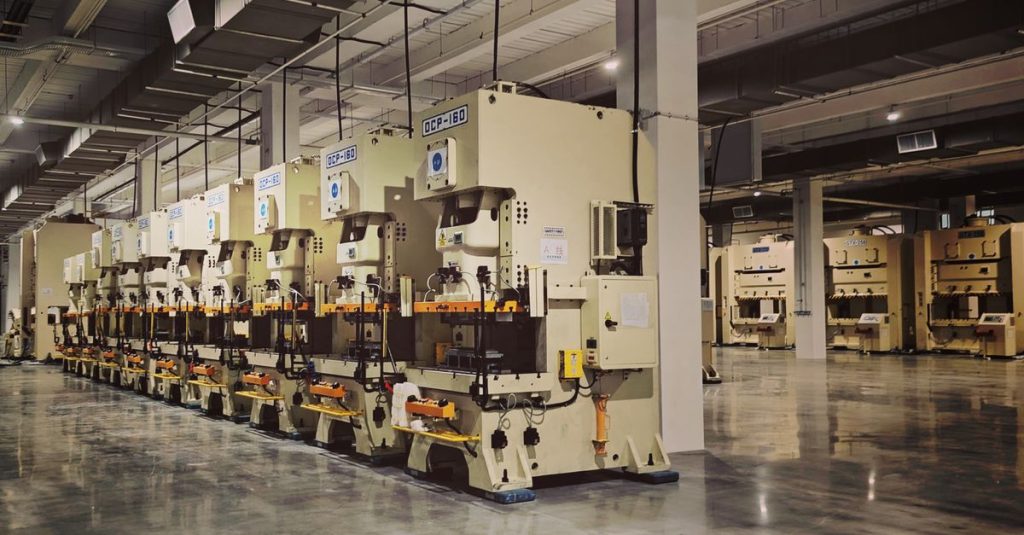
- Integrated Converters: Full-service factories handling design, printing, and die-cutting.
- Specialty Rigid Box Makers: Boutique producers for luxury retail and corporate gifting.
- Stock Box Wholesalers: Distributors of standard FEFCO-style corrugated boxes for same-day pickup.
- E-Commerce Packaging Specialists: Custom mailer boxes, subscription boxes, and void-fill solutions.
Browse vetted options and request quotations through AEC’s packaging product line to compare specifications, lead times, and pricing.
What Quality Standards Govern Packaging Boxes in Malaysia?
Malaysian packaging boxes must comply with national and international standards to ensure safety, performance, and export compliance. Certification reduces damage claims and supports market access to global retailers.
- MS 1554: Specifications for corrugated fiberboard boxes used in general shipping.
- SIRIM Certification: Required for F&B and pharmaceutical packaging safety.
- ISTA Testing: Pre-shipment testing protocols for drop, vibration, and compression.
- FSC and PEFC: Chain-of-custody certifications for sustainable fiber sourcing.
- FDA and EU Compliance: Required for boxes entering food-grade and European export markets.
Frequently Asked Questions (FAQs)
What is the standard packaging box size for shipping in Malaysia?
The most common e-commerce shipping sizes are 30×20×15 cm, 40×30×20 cm, and 50×40×30 cm. These dimensions align with local courier tier pricing and fit standard pallet configurations.
How much does a custom packaging box cost in Kuala Lumpur?
A custom printed corrugated mailer box in KL typically costs RM 0.80–RM 2.50 per unit at 1,000-unit MOQ. Rigid setup boxes range from RM 4.00–RM 18.00 depending on size and finish specifications.
What is the typical lead time for custom packaging boxes in Malaysia?
Standard production takes 7–10 working days after artwork approval. Complex rigid boxes with foil stamping may require 14–18 working days.
Are eco-friendly packaging boxes more expensive than regular ones?
FSC-certified or 100% recycled boxes carry a 10–18% premium over standard virgin kraft, but volume scaling and government incentives often offset this cost gap for larger orders.
Can Malaysian packaging box suppliers handle export-grade quality?
Yes. Most KL converters hold ISTA, FSC, and ISO 9001 certifications, qualifying them as approved suppliers for Amazon FBA, retail distribution centers, and EU-bound shipments.