




PP Woven Bag Supplier in Malaysia: Complete Buyer’s Guide (2026)
Searching for a reliable PP woven bag supplier in Kuala Lumpur? This guide explains what polypropylene woven bags are, who uses them, how they are manufactured, and how to evaluate Malaysian suppliers before placing a bulk order.
What Is a PP Woven Bag?
A PP woven bag is a packaging sack made from woven polypropylene tape fabric, offering high tensile strength, moisture resistance, and reusability. These bags typically carry loads of 5 kg to 50 kg and serve as the standard packaging solution across Malaysian agriculture, construction, and chemical industries. Unlike paper-based alternatives, PP woven sacks deliver superior tear resistance and weather durability for heavy-duty applications.
Why Choose a Kuala Lumpur-Based PP Woven Bag Supplier?
A local PP woven bag supplier Malaysia factory reduces lead times, lowers shipping costs, and simplifies customs coordination for domestic buyers. KL-based manufacturers like AEC also provide faster proofing, on-site quality inspections, and bilingual sales support in Bahasa Malaysia and English.
Key Benefits of Sourcing Locally
- 5–14 day production lead time versus 30–60 days from overseas suppliers
- FOB Port Klang or doorstep delivery within Peninsular Malaysia
- Easier claim resolution and RM-denominated invoicing
- Compliance with SIRIM and Malaysian food-grade packaging standards
Industries That Use PP Woven Bags in Malaysia
PP woven sacks serve six primary Malaysian sectors: rice milling, animal feed, palm oil, fertilizer, cement, and chemical processing. Each application requires specific denier ratings, lamination types, and load-bearing specifications.
Common Applications
- Rice and grain packaging — 5–25 kg food-grade laminated bags
- Animal feed and aquaculture pellets — UV-treated outdoor storage bags
- Fertilizer and agrochemicals — anti-static, moisture-barrier sacks
- Cement and construction materials — 25–50 kg heavy-duty plain bags
- Palm kernel and biomass — bulk FIBC liner combinations
- Resin and industrial chemicals — conductive or food-safe variants
How PP Woven Bags Are Manufactured
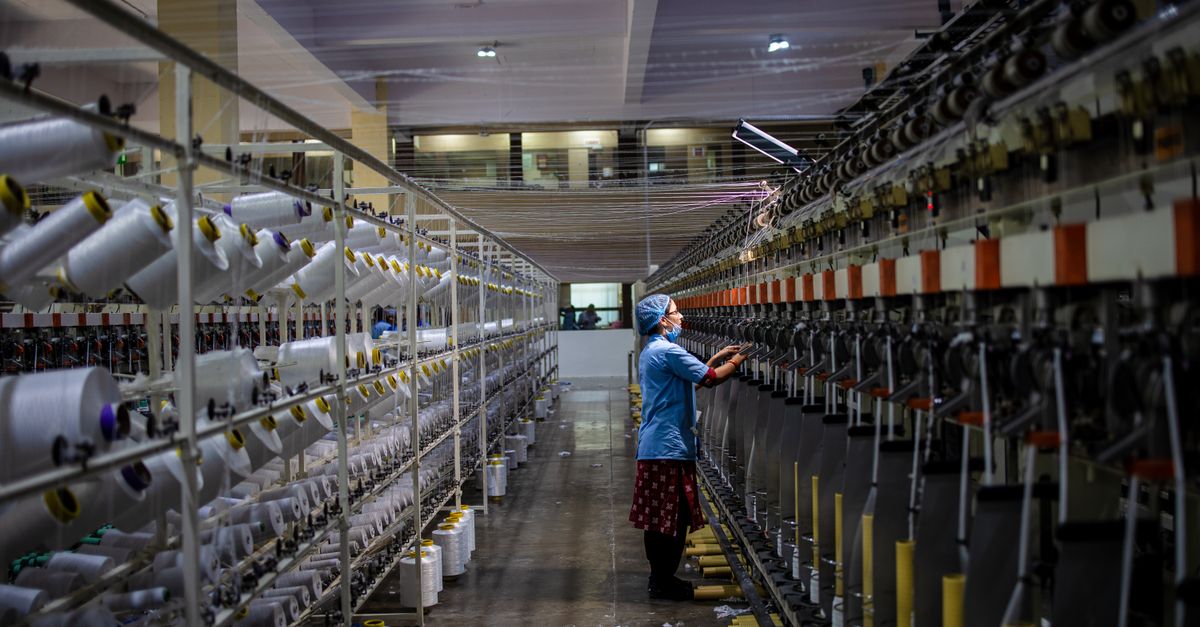
Manufacturing involves extruding polypropylene granules into flat tapes, weaving those tapes into tubular or flat fabric on circular looms, then laminating, cutting, and stitching the fabric into finished sacks. Most Malaysian factories operate 8–12 extruder lines and 20–40 loom machines, producing 50,000 to 200,000 bags per shift.
Step-by-Step Production Process
- Extrusion — PP granules melt at 230°C and form thin tapes (denier 600–1,200)
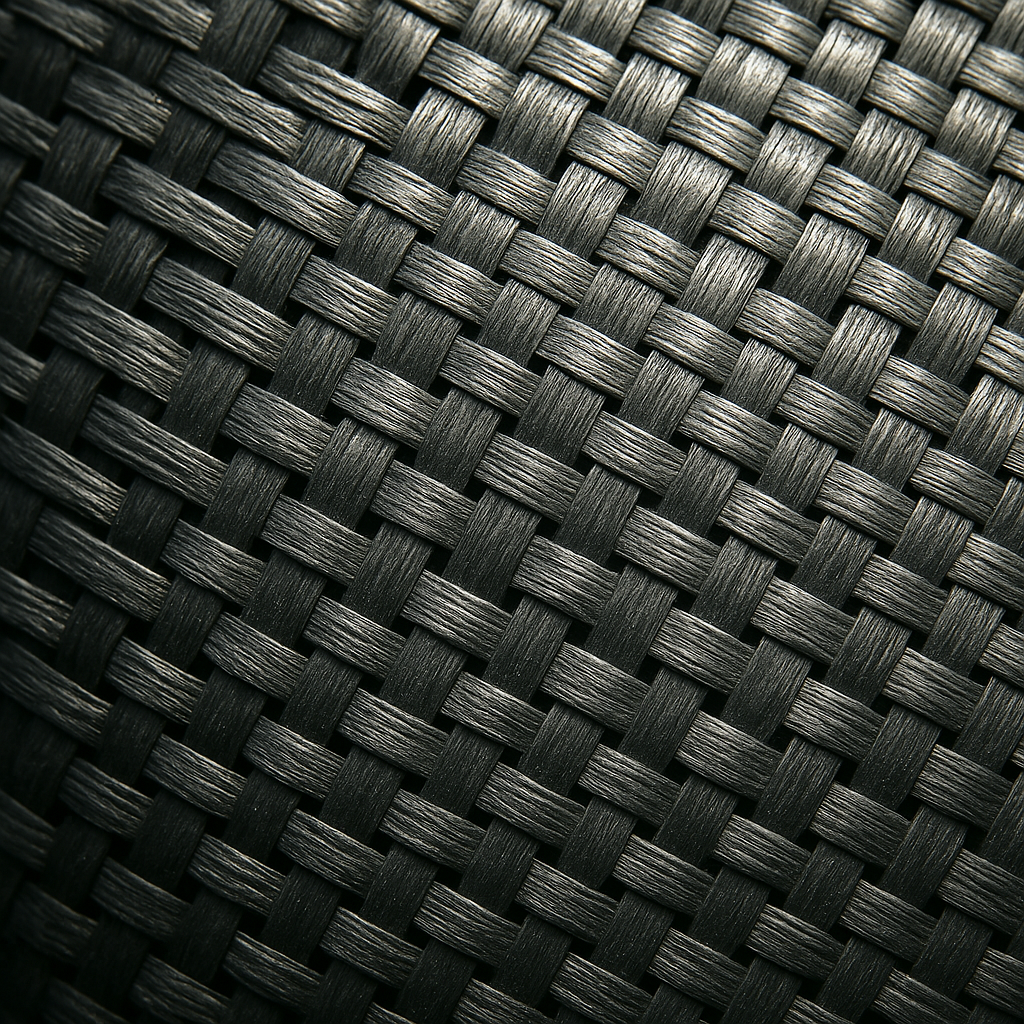
- Weaving — Tapes are woven into 10×10 or 12×12 mesh fabric on circular looms
- Lamination — BOPP or kraft film is bonded for moisture and print protection
- Printing — 4–8 colour rotogravure or flexographic presses apply branding
- Cutting and stitching — Fabric is cut to size and bottom-sewn with cotton or PP thread
- Quality control — Tensile, seam, and burst-strength testing before packing
Types of PP Woven Bags Available
Malaysian suppliers typically offer five standard constructions: laminated BOPP bags, kraft-laminated bags, transparent mesh bags, FIBC jumbo bags, and liner-bag combinations. Each serves a distinct functional and budgetary purpose.
Product Variants
- BOPP laminated PP woven bag — Photo-quality printing, ideal for retail rice and feed
- Kraft-laminated PP woven sack — Natural look for organic and eco-positioning
- Transparent PP mesh bag — Ventilated packaging for produce and seafood
- FIBC bulk bag (jumbo bag) — 500–1,500 kg capacity for industrial commodities
- PP woven bag with PE liner — Extra moisture barrier for hygroscopic powders
How to Evaluate a PP Woven Bag Supplier in Malaysia
A credible supplier should provide factory audit reports, material traceability certificates, and verifiable references from Malaysian or ASEAN buyers. Price alone is a weak indicator — fabric weight, seam quality, and print durability determine total cost of ownership.
Supplier Evaluation Checklist
- Minimum 5 years of manufacturing and export experience
- In-house extrusion and weaving (not a trading company)
- ISO 9001, HACCP, or FDA food-contact certifications
- Sample policy with paid prototyping for custom prints
- Clear MOQ, payment terms (typically 30% deposit, 70% balance), and Incoterms
PP Woven Bag Pricing in Malaysia (2026 Reference)
Standard 50 kg plain PP woven bags range from RM0.45 to RM0.85 per piece, while BOPP-laminated printed bags range from RM0.75 to RM1.60 per piece depending on size, colour count, and order volume. Jumbo FIBC bags cost RM18 to RM45 each based on SWL and safety-factor rating.
Sustainability and Recycling of PP Woven Bags
PP woven bags are 100% recyclable and can be reprocessed into plastic pellets for secondary products such as crates, furniture, and automotive parts. Compared to multi-layer paper sacks, PP woven sacks often deliver a lower carbon footprint per kg of product packaged across their reusable lifespan.
Why AEC Is a Trusted PP Woven Bag Supplier in Kuala Lumpur
AEC operates a KL-based manufacturing facility producing custom PP woven bags for Malaysian agricultural cooperatives, feed mills, and industrial exporters. The company combines in-house extrusion, BOPP lamination, and 6-colour rotogravure printing under one roof, supporting MOQs from 10,000 pieces upwards with typical 10-day lead times.
Frequently Asked Questions (FAQs)
What is the minimum order quantity (MOQ) for PP woven bags in Malaysia?
Most Malaysian factories set MOQ at 10,000 to 20,000 pieces per size and print design. Custom Pantone colour matching may require a higher first-order volume.
Are PP woven bags safe for food packaging?
Yes, food-grade PP woven bags with inner PE liners and BOPP lamination are approved for rice, flour, sugar, and animal feed contact under Malaysian food safety regulations.
How long does delivery take within Malaysia?
Production takes 7–14 working days after artwork approval, with delivery in 2–4 days to Peninsular Malaysia and 5–7 days to East Malaysia (Sabah and Sarawak).
Can PP woven bags be printed with a company logo?
Yes, rotogravure and flexographic printing support up to 8 colours, including photographic-quality BOPP laminate prints for retail-ready packaging.
What is the typical lifespan of a PP woven bag?
Under normal storage conditions, a laminated PP woven bag lasts 2–5 years and can be reused 3–5 times for non-food applications.
Do Malaysian suppliers export PP woven bags overseas?
Yes, established KL manufacturers regularly export to Indonesia, Thailand, Vietnam, the Philippines, and African markets under FOB, CIF, or CNF Incoterms.