




The Ultimate Guide to PP Woven Bags: Durability, Applications, and Technical Specifications
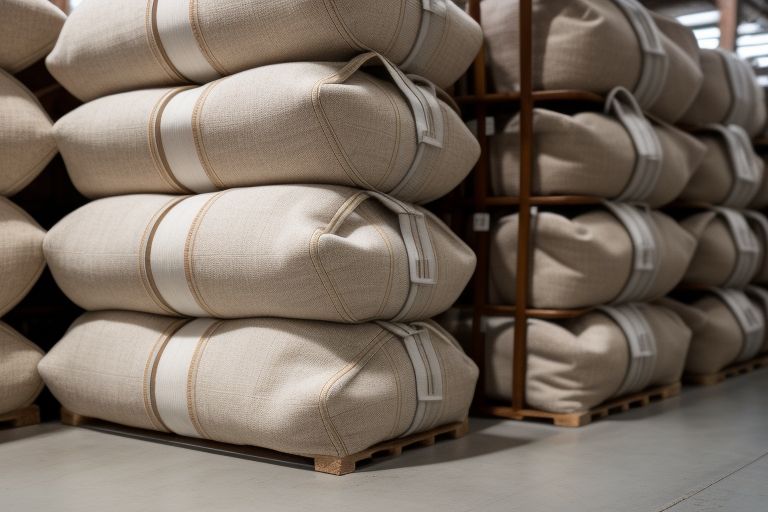
PP Woven Bags are high-strength packaging solutions made from polypropylene, where plastic tapes are interlaced to create a robust fabric. They are primarily used for transporting bulk commodities like grains, chemicals, and construction materials due to their superior tensile strength and moisture resistance.
What are PP Woven Bags and how are they manufactured?
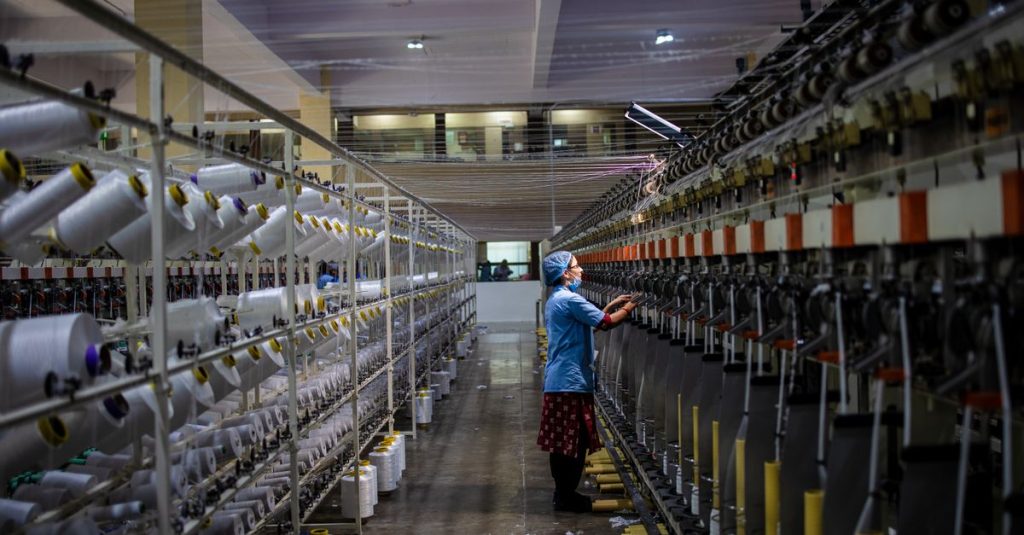
PP Woven Bags are manufactured by extruding polypropylene resin into thin tapes, which are then woven on a circular or linear loom. This process creates a highly durable, breathable, and tear-resistant fabric structure through mechanical interlacing, providing a heavy-duty containment solution for various industries.
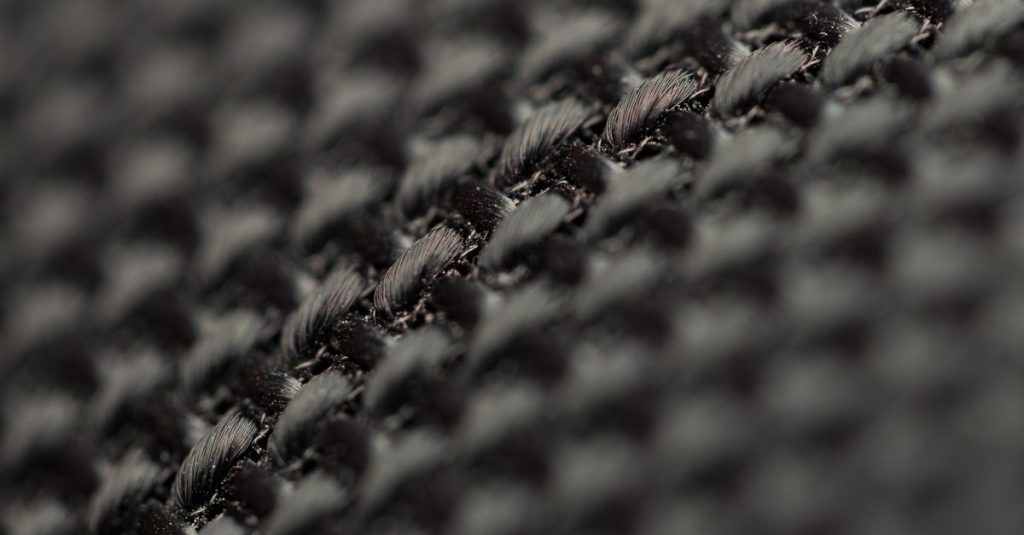
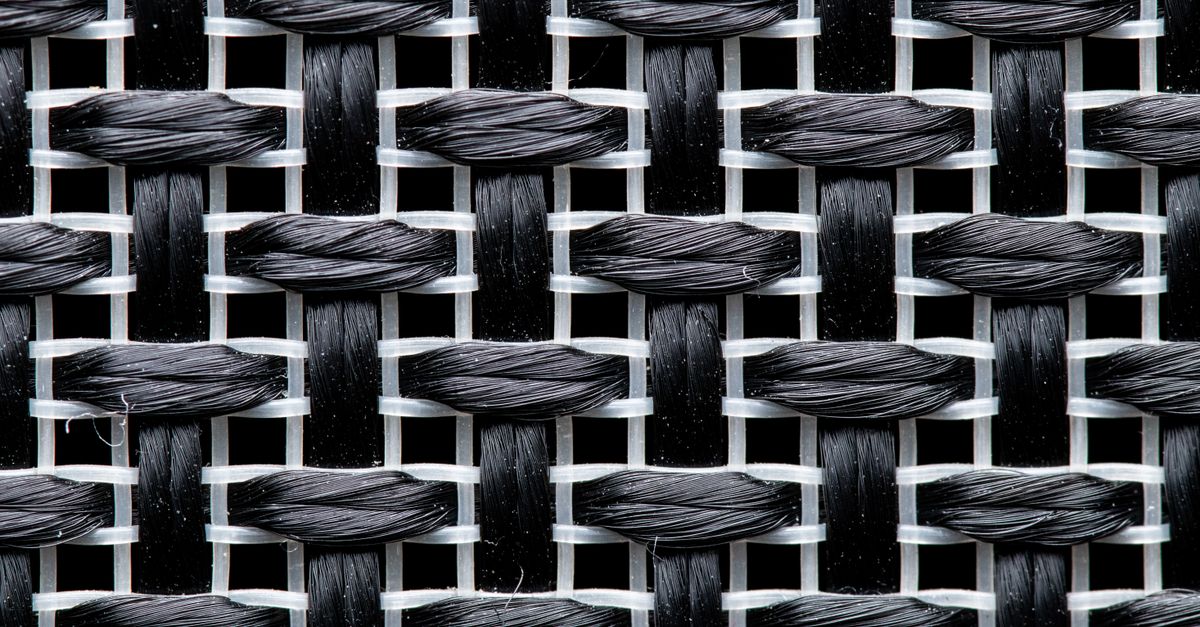
To understand the structural foundation, it is essential to look at the principles of woven fabric construction. Unlike non-woven materials, the interlacing of longitudinal and transverse threads creates a mesh-like integrity that prevents rapid tearing.
The manufacturing process involves five critical steps:
- Extrusion: Polypropylene granules are melted and pushed through a die to create continuous tapes.
- Cooling & Stretching: Tapes are cooled in water baths and stretched to increase molecular orientation and strength.
- Winding: The stabilized tapes are wound onto bobbins for the loom.
- Weaving: High-speed looms interlace the tapes into a continuous fabric roll.
- Cutting & Sewing: The fabric is cut to specified dimensions and sewn with heavy-duty thread.
What are the primary benefits of using PP Woven Bags?
Polypropylene woven bags offer exceptional durability, moisture resistance, and cost-effectiveness for bulk packaging. Their high strength-to-weight ratio ensures that heavy loads can be transported without bag failure, while the breathable nature of the weave prevents moisture buildup in sensitive products.
Key Technical Advantages:
- High Tensile Strength: Extremely resistant to heavy impact and repetitive lifting cycles.
- Moisture Protection: Naturally breathable, but can be laminated with film for a complete water barrier.
- Reusability: High structural integrity allows for multiple logistics cycles.
- Customization: Compatible with high-resolution printing for branding and regulatory compliance.
For high-quality industrial solutions, you can explore specialized woven bag options here.
What are the main industrial applications for PP Woven Bags?
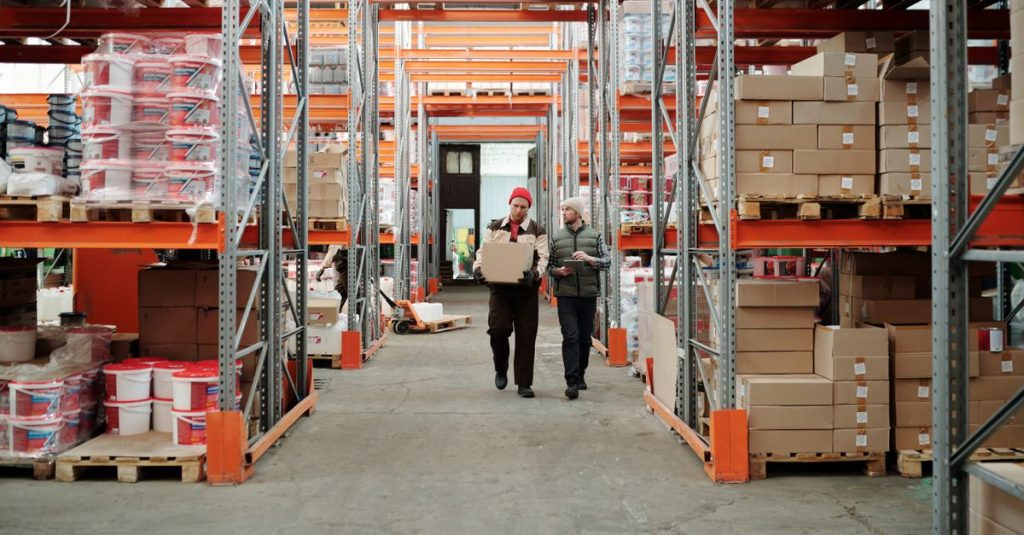
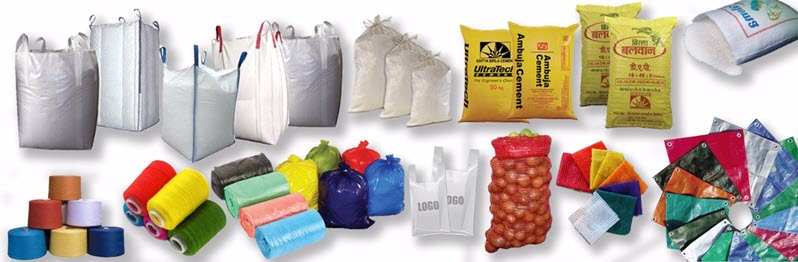
PP Woven Bags serve a wide range of industries, primarily acting as the standard for transporting dry bulk goods. They are indispensable in agriculture, construction, and chemical sectors where structural integrity and containment are critical for safety and efficiency.
Common Use Cases:
- Agriculture: Packaging for rice, flour, sugar, seeds, and animal feed.
- Construction: Transporting sand, cement, gravel, and mortar.
- Chemicals: Containing fertilizers, resins, and powdered chemicals.
- Logistics: Heavy-duty sacks for minerals and bulk industrial raw materials.
Comparison: PP Woven vs. Non-Woven Bags
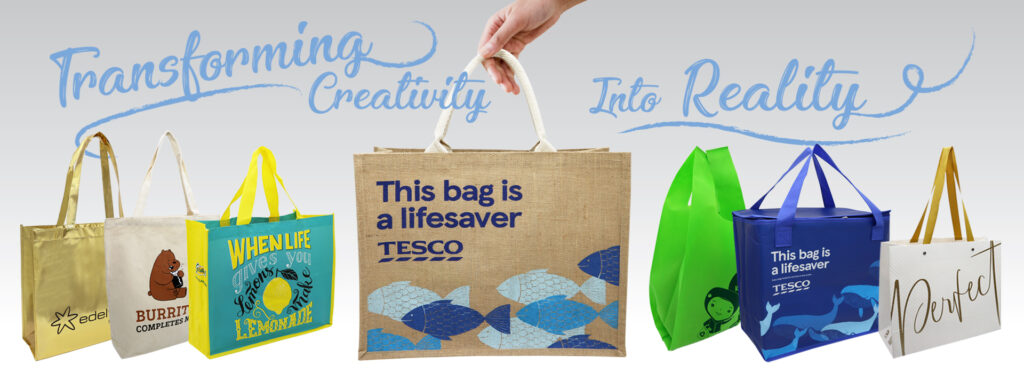
PP Woven Bags focus on mechanical strength through interlaced tapes, whereas non-woven bags use heat-bonded fibers. Woven bags are preferred for heavy-duty applications requiring high tensile strength, while non-woven bags are better suited for lighter, single-use items like shopping bags or medical masks.
| Feature | PP Woven Bag | Non-Woven Bag |
|---|---|---|
| Structure | Interlaced Tapes | Bonded Fibers |
| Strength | Extremely High (Tensile) | Moderate (Tear-prone) |
| Breathability | High (Adjustable) | Controlled |
| Typical Use | Bulk Commodities | Retail/Medical |
Frequently Asked Questions (FAQs)
Are PP Woven Bags waterproof?
They are naturally moisture-resistant due to the polymer’s properties. For complete waterproofing, they can be laminated with a thin layer of film.
Can PP Woven Bags be recycled?
Yes, polypropylene is a highly recyclable thermoplastic. Once they reach the end of their life, they can be processed into new plastic products.
Why are woven bags better for grains?
The weave allows for controlled breathability, which prevents condensation and mold growth in agricultural products like rice and corn.