

Non Woven Bag Malaysia: Complete 2026 Buyer and Manufacturer Guide
Looking for durable, affordable, and eco-friendly packaging in Kuala Lumpur? Non woven bags are the leading reusable carrier for Malaysian retailers, event organizers, and corporate brands in 2026. This guide covers PP fabric specifications, tiered bulk pricing, printing methods, and how to source certified bags from local manufacturers.
What Is a Non Woven Bag and How Is It Made?
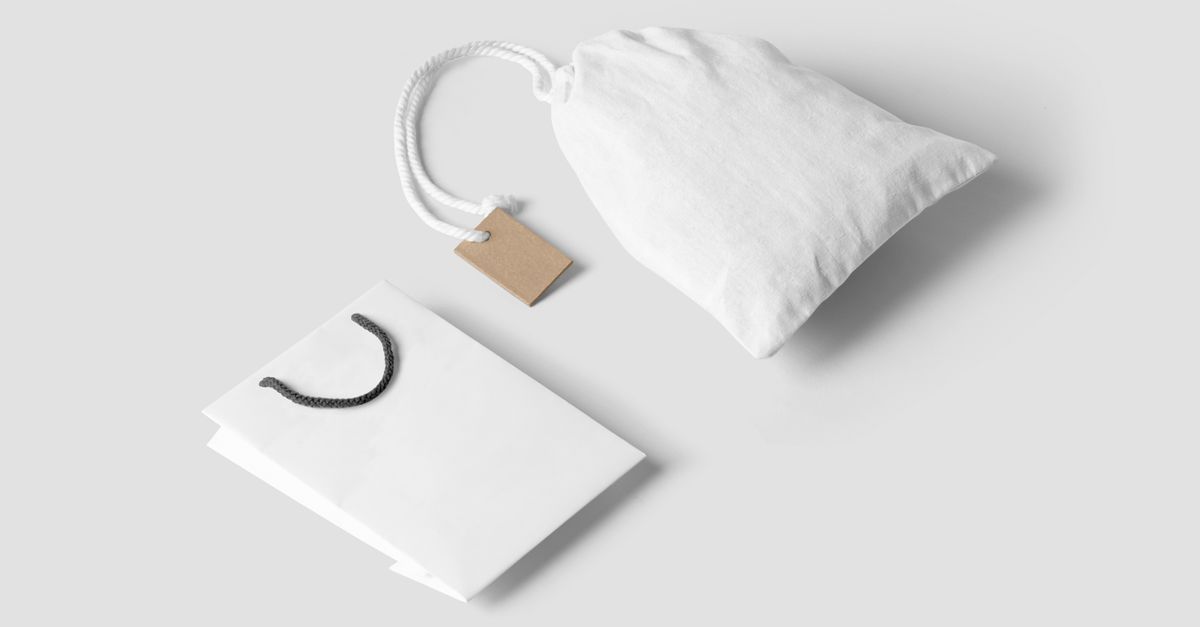
A non woven bag is a reusable carrier manufactured from nonwoven fabric, an engineered textile produced by bonding polypropylene (PP) fibers through heat, chemical, or mechanical processes rather than traditional weaving. According to Wikipedia’s nonwoven fabric reference, these sheets deliver high tensile strength at a fraction of woven cloth cost, making them ideal for short-to-medium lifecycle packaging such as retail shopping, promotional giveaways, and event merchandise across Malaysia.
Key Material Properties Buyers Should Verify
- Fabric weight (GSM): Standard 60–100 GSM; premium 100–120 GSM for corporate use
- Fiber composition: 100% polypropylene, recyclable under resin code #5
- Color fastness: Must withstand 4+ wash cycles without significant fading
- Load capacity: 8–15 kg depending on stitch reinforcement and handle type
- UV stability: Required for outdoor events lasting more than 4 hours
Why Are Non Woven Bags Popular in Malaysia?
Malaysia banned free single-use plastic bags in Kuala Lumpur, Selangor, and Penang through the Roadmap Towards Zero Single-Use Plastics 2018–2030. This regulation pushed retailers and F&B operators toward reusable alternatives, with non woven bags capturing roughly 65% of the reusable bag market because they balance cost, durability, and printability better than cotton, jute, or PET carriers.
Market Drivers in Kuala Lumpur
- Government plastic levy of RM0.20 per bag since 2022
- Rising corporate ESG reporting requirements under Bursa Malaysia guidelines
- Tourism sector demand for branded souvenir carriers
- Wet market and pasar malam trader adoption
What Are the Main Types of Non Woven Bags Available in KL?
Kuala Lumpur manufacturers typically offer five structural formats, each engineered for specific load profiles and branding surfaces. Choosing the correct type reduces per-unit cost by 20–35% and improves customer reuse rates.
1. D-Cut Non Woven Bag
Flat handles die-cut directly into the bag body. Lightweight, economical, and suited for apparel, books, and lightweight retail purchases under 5 kg.
2. U-Cut (U-Bag) Non Woven Bag
U-shaped handle cut for better grip and load tolerance up to 8 kg. Popular for bakery, pharmacy, and boutique use.
3. Loop Handle (Box Bag) Non Woven Bag
Sewn PP loop handles attached to a reinforced box-style body. Handles up to 12–15 kg and offers premium presentation for corporate gifting.
4. Vest Type Non Woven Bag
Side gussets with vest-style straps. The highest-capacity option for grocery and supermarket applications, compatible with automated packing lines.
5. Laminated Non Woven Bag
Coated with a thin PP film for water resistance and higher-definition printing. Used for fashion retail and cold-chain food delivery.
How Much Does a Non Woven Bag Cost in Malaysia?
Bulk pricing in Kuala Lumpur typically ranges from RM0.45 to RM2.80 per piece depending on size, GSM, handle type, and print complexity. Most suppliers apply tiered discounts at 1,000, 5,000, and 10,000-piece order volumes.
Typical Price Breakdown (2026 KL Market Averages)
| Bag Type | 1,000 pcs | 5,000 pcs | 10,000+ pcs |
|---|---|---|---|
| D-Cut 60 GSM | RM0.85 | RM0.55 | RM0.45 |
| U-Cut 80 GSM | RM1.20 | RM0.80 | RM0.65 |
| Loop Handle 90 GSM | RM1.95 | RM1.40 | RM1.10 |
| Laminated 100 GSM | RM2.80 | RM2.10 | RM1.75 |
Prices exclude single-color screen printing (add RM0.15–0.30 per side). Full-color heat transfer adds RM0.50–1.20 per bag.
How to Customize Non Woven Bags for Your Brand?
Customization converts a generic carrier into a measurable marketing asset with 1,000–3,500 impressions per bag. KL suppliers typically support three printing methods, each with different fidelity, minimum order quantities, and turnaround windows.
Step-by-Step Customization Workflow
- Submit artwork in AI, PDF, or CDR format at minimum 300 DPI
- Select printing method based on logo complexity and quantity
- Approve digital mockup within 24–48 hours
- Confirm Pantone color codes for brand consistency
- Approve pre-production sample — most factories waive sample fees for orders above 5,000 pieces
- Schedule production — standard KL lead time is 10–18 working days
- Arrange delivery to your Kuala Lumpur office or retail outlet
Printing Method Comparison
- Silk screen printing: Best for simple 1–3 color logos; lowest cost; minimum 500 pieces
- Heat transfer printing: Photographic quality, full color; minimum 1,000 pieces
- Offset / litho printing: Premium edge-to-edge designs; minimum 3,000 pieces
Are Non Woven Bags Really Eco-Friendly?
Non woven bags are reusable and recyclable but not biodegradable. Their environmental advantage comes from replacing hundreds of single-use plastic bags over a typical 2–3 year useful life. Verified life-cycle assessments show a 90 GSM non woven bag becomes carbon-positive after approximately 14 reuses compared to a standard HDPE carrier bag.
Sustainability Checklist for KL Buyers
- Request REACH or RoHS compliance certificates
- Confirm PP resin traceability from manufacturers like Kaneka or LyondellBasell
- Specify water-based or soy-based inks instead of solvent-based pigments
- Choose unbleached or recycled-content fabric where available
How to Choose a Reliable Non Woven Bag Supplier in Kuala Lumpur?
Selecting the right manufacturer directly impacts delivery reliability, print accuracy, and unit economics. Evaluate KL vendors against these technical and commercial criteria before issuing a purchase order.
Supplier Evaluation Checklist
- Factory audit: Request ISO 9001 certification plus SMETA or BSCI social compliance reports
- Production capacity: Minimum 200,000 pieces per month for reliable scaling
- In-house design team: Reduces artwork errors and accelerates sampling
- QC process: AQL 2.5 inspection standard with pre-shipment photo reporting
- Local logistics: Own delivery fleet or partnerships with Pos Laju and Aramex for KL, Selangor, and nationwide distribution
- Payment terms: 30% deposit, 70% balance against BL copy for first-time orders
Browse AEC Malaysia’s full catalogue of customizable non woven bags, lamination options, and corporate packaging solutions on the official product page.
What Are the Common Mistakes When Ordering Non Woven Bags?
Frequent ordering errors lead to delivery delays, print defects, and budget overruns of 15–25%. Avoiding these pitfalls protects brand reputation and campaign timelines.
Top 5 Mistakes to Avoid
- Ignoring GSM requirements: Low GSM fabric tears under heavy loads; always specify 80+ GSM for grocery or merchandise use
- Skipping pre-production samples: Colors on screen differ from physical output; always approve a strike-off sample
- Underestimating handle stitching: Reinforced cross-stitching at handle junctions prevents the most common failure point
- Confusing lamination types: Matte vs. gloss lamination affects both appearance and recyclability claims
- Ignoring import duties: Cross-border purchases attract SST and customs duty that local KL suppliers avoid
Frequently Asked Questions (FAQs)
What is the minimum order quantity for custom non woven bags in KL?
Most Kuala Lumpur factories accept orders starting from 500 pieces for single-color screen printing. Full-color heat transfer or offset printing typically requires a 1,000–3,000 piece minimum.
How long do non woven bags last with regular use?
A 90 GSM non woven bag sustains 50–100 reuse cycles depending on load weight, washing frequency, and UV exposure. For campaigns under 6 months, 60–70 GSM offers better cost efficiency.
Can non woven bags be washed and reused safely?
Yes. Hand washing with mild detergent and air drying extends bag life without degrading PP fibers. Machine washing is not recommended because agitation weakens stitch points.
Are non woven bags accepted by Malaysian recycling facilities?
Yes. Polypropylene non woven bags carry resin code #5 and are recyclable at most MRFs (Material Recovery Facilities) operating under the KPKT national recycling programme.
What file format should I provide for logo printing?
Submit vector files in AI, EPS, or CDR with outlined text. For raster artwork, provide at least 300 DPI in PNG or TIFF, and always specify Pantone (PMS) codes for color accuracy.
How fast can a KL supplier deliver 5,000 non woven bags?
Standard production lead time is 10–18 working days after artwork approval, plus 2–3 days for delivery within Kuala Lumpur and Selangor via dedicated logistics partners.
Conclusion
Non woven bags remain the most practical reusable packaging solution for Malaysian businesses balancing cost, durability, and brand visibility in 2026. By selecting the correct GSM, handle type, and printing method — and partnering with a certified Kuala Lumpur manufacturer — you secure reliable supply, regulatory compliance, and measurable marketing ROI throughout the year and beyond.