





Product Packaging Malaysia: 2026 Guide to Materials, Design & Suppliers
In Malaysia’s RM42 billion packaging industry, the right product packaging protects your goods, communicates brand value, and ensures regulatory compliance across retail, F&B, and e-commerce channels. For Kuala Lumpur businesses in 2026, strategic packaging design reduces damage rates by up to 30%, improves shelf appeal, and aligns with consumer demand for eco-friendly materials under the national Single-Use Plastics Roadmap.
What Is Product Packaging and Why Does It Matter for Malaysian Businesses?
Product packaging is the combination of materials, graphic design, and structural systems used to protect, contain, transport, and market a product from manufacturer to end-user. For Malaysian businesses, it serves physical protection against moisture and impact, brand communication through typography and colour, regulatory compliance with KKM and DOE standards, and consumer convenience at unboxing. With 72% of Malaysian consumers stating that packaging design influences purchase decisions, packaging now functions as a measurable sales driver, not just a logistical expense.
What Are the Main Types of Product Packaging Used in Malaysia?
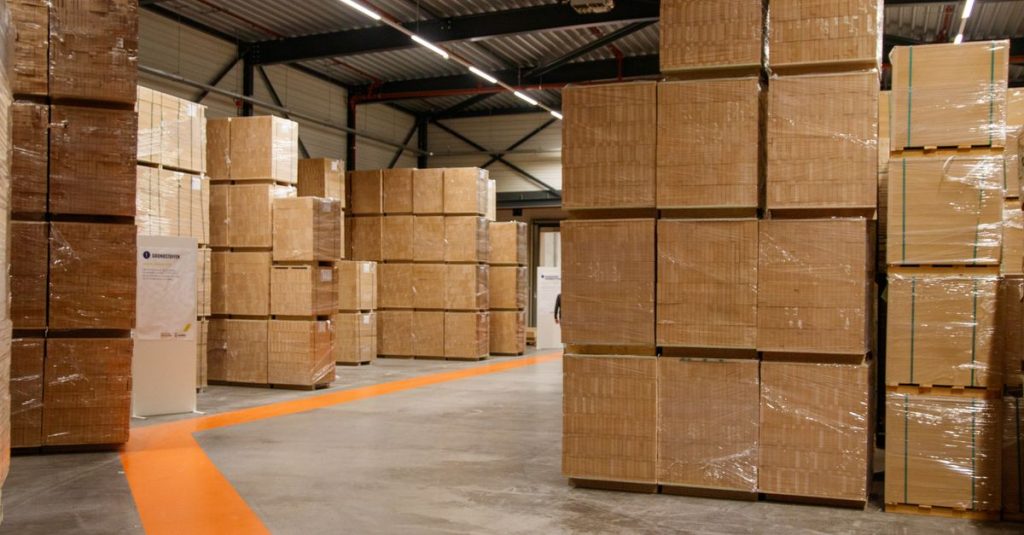
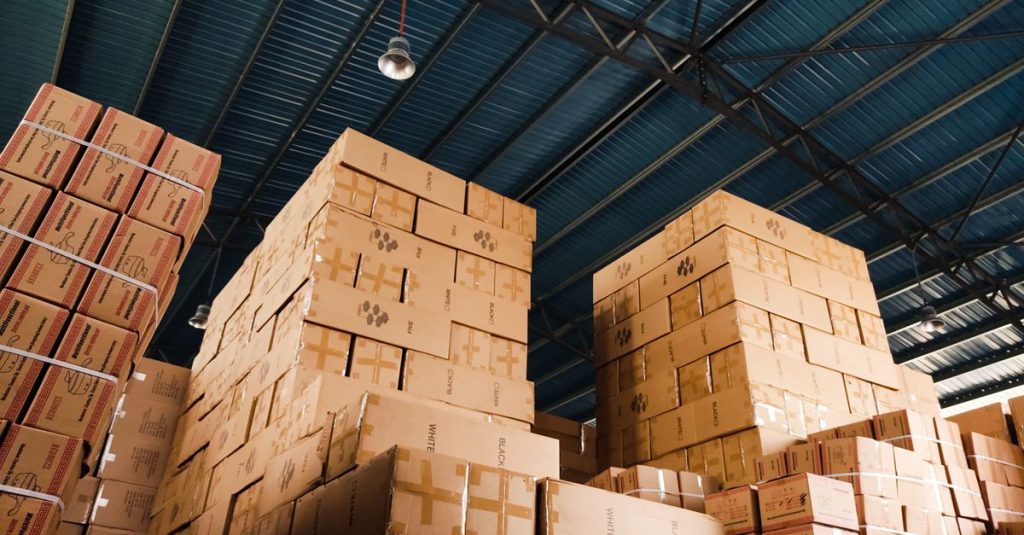
Malaysian manufacturers and SMEs typically deploy three packaging layers: primary packaging that directly contacts the product, secondary packaging for shelf grouping and branding, and tertiary packaging for bulk logistics. Material selection in 2026 is dominated by corrugated cardboard (45% of the local market), flexible plastic films, rigid plastics, glass and aluminium, plus rapidly emerging moulded pulp and bioplastics under the 2030 single-use plastics phase-out.
- Corrugated cardboard: Dominates e-commerce and FMCG shipping due to cost-efficiency and recyclability.
- Flexible plastic films (PE, PP, PET): Used for snacks, sauces, and personal care; recyclable variants growing 12% YoY.
- Rigid plastics (PET, HDPE): Standard for bottled beverages, detergents, and pharmaceutical containers.
- Glass and aluminium: Preferred for premium cosmetics, alcoholic beverages, and airtight preservation.
- Moulded pulp and bioplastics: Emerging rapidly under Malaysia’s single-use plastics roadmap.
How Much Does Product Packaging Cost in Kuala Lumpur?
Packaging costs in Malaysia range from RM0.05 to RM8.00 per unit depending on material, print complexity, and order volume. Corrugated mailer boxes start at RM0.80 per unit for bulk orders above 1,000 pieces, while custom-printed rigid boxes for cosmetics can exceed RM5.00 per unit at low volumes. SMEs should budget for material grade, tooling, MOQ, and finishing options when forecasting packaging expenditure.
- Material grade: Virgin plastics cost 20–40% more than recycled equivalents; food-grade certification adds 10–15%.
- Print method: Offset CMYK printing costs RM0.15–0.40 per box; digital printing suits short runs.
- Tooling and dies: Custom die-cuts require RM1,500–RM5,000 in one-off fees.
- Minimum order quantity (MOQ): Most KL suppliers enforce 500–1,000 units; smaller runs incur 25–60% surcharges.
- Finishing: Matte lamination, spot UV, embossing, and foil stamping add RM0.10–0.50 per unit.
What Are the Key Steps in the Product Packaging Design Process?
Professional packaging development follows a six-stage workflow covering brief, structural design, graphic design, prototyping, testing, and mass production. Skipping any stage risks damaged goods, regulatory rejection, or poor shelf performance. Each stage aligns artwork with Malaysian labelling laws and validates structural integrity through ISTA transit and compression tests.
- Brief and research: Define dimensions, weight, fragility, target market, and KKM compliance requirements.
- Structural design: Create dielines and 3D mockups testing drop resistance and stacking strength.
- Graphic design: Develop artwork aligned with brand guidelines and Bahasa Malaysia labelling laws.
- Prototyping: Produce physical samples using digital printing or small-batch converters.
- Testing and validation: Conduct ISTA transit tests, compression tests, and barrier-property analysis.
- Mass production: Coordinate offset printing, die-cutting, and QC with the manufacturer.
For a complete range of materials and custom solutions, explore the product catalogue at aec.com.my.
What Sustainable Packaging Trends Are Reshaping Malaysia in 2026?
Sustainable packaging is no longer optional in Malaysia. The Single-Use Plastics Roadmap mandates phased bans on polystyrene food containers, microplastics in cosmetics, and non-recyclable carrier bags by 2030, with Selangor and KL enforcement already underway. Leading 2026 trends include monomaterial structures, compostable bioplastics, refillable systems, PCR content, and digital watermarking.
- Monomaterial structures: Mono-PE pouches replace multi-layer laminates for easier recycling.
- Compostable bioplastics: PLA and bagasse containers gain traction in F&B and halal markets.
- Refillable and returnable systems: KL retailers pilot reverse-logistics for personal care products.
- PCR (Post-Consumer Recycled) content: Brands like Unilever Malaysia use 30–50% PCR plastic.
- Digital watermarking: Invisible codes help sorting facilities improve recycling recovery from 30% to a targeted 55% by 2030.
How Do You Choose the Right Packaging Supplier in Kuala Lumpur?
Selecting a reliable packaging supplier requires evaluating technical capability, regulatory knowledge, and scalability. Kuala Lumpur hosts over 600 packaging converters ranging from small offset printers to multinational corrugated plants. Use a five-point checklist covering certifications, in-house capabilities, material sourcing, lead time, and sustainability reporting.
- Certifications: Confirm ISO 9001, HACCP, or GMP for food, pharma, or cosmetics.
- In-house capabilities: Prefer suppliers offering structural design, prototyping, and mass production under one roof.
- Material sourcing: Verify FSC-certified paper, FDA-grade plastics, or halal-compliant inks.
- Lead time and MOQ flexibility: Standard lead times are 10–21 days; flexible suppliers accommodate 500-unit runs.
- Sustainability reporting: Request documentation on recycled content and end-of-life recyclability.
What Regulations Govern Product Packaging in Malaysia?
Malaysian packaging must comply with multiple frameworks. Domestic regulations include the Food Regulations 1985 (nutrition labelling, Bahasa Malaysia text, expiry dates), the Consumer Protection Act 1999 (truthful claims, weight accuracy), and the Environmental Quality Act 1974 (restrictions on heavy metals in inks and dyes). Products exported to ASEAN, EU, or US markets must additionally meet EU PPWR and FDA Title 21 CFR standards for food-contact materials.
Frequently Asked Questions (FAQs)
What is the best packaging material for food products in Malaysia?
Food-grade PP, PET, and aluminium laminates are ideal for Malaysian F&B products due to moisture barriers and KKM compliance. Biodegradable bagasse and PLA are increasingly accepted for takeaway and halal-certified product lines.
How long does custom packaging production take in KL?
Standard lead times range from 10 to 21 working days after artwork approval, covering offset printing, die-cutting, and lamination. Rush services are available at 30–50% surcharges for a 5–7 day turnaround.
Is eco-friendly packaging more expensive than conventional options?
Sustainable materials such as recycled cardboard or PLA cost 5–20% more upfront but reduce waste disposal fees and improve brand perception, typically delivering ROI within 12 months for premium-positioned products.
Can I order custom packaging with low minimum quantities?
Yes. Several Kuala Lumpur digital-print suppliers offer MOQs as low as 100–250 units for boxes and 500 units for pouches, though per-unit costs are higher than bulk runs above 5,000 units.
Do Malaysian packaging suppliers handle export documentation?
Most established converters assist with MSDS, Certificate of Origin, and compliance certificates, but exporters should engage a freight forwarder for customs declarations and destination-specific testing.
Final Thoughts
Product packaging in Malaysia is a strategic asset blending material science, regulatory compliance, and brand storytelling. For Kuala Lumpur businesses planning product launches or rebrands in 2026, partnering with a certified local converter and prioritising recyclable monomaterial structures will future-proof operations against tightening environmental laws while strengthening consumer trust. Start by auditing current packaging against the latest KKM and DOE standards, then prototype at least two sustainable alternatives before scaling.