




PP Woven Bags in Malaysia: The Complete 2026 Buyer’s Guide for Kuala Lumpur Businesses
Quick Answer: PP woven bags are Malaysia’s most widely used industrial packaging, serving manufacturers, agricultural producers, and logistics operators across Kuala Lumpur, Selangor, and Penang. Made from woven polypropylene strips, they deliver high tensile strength, moisture resistance, and cost-efficient bulk packaging for goods ranging from rice and fertilizer to chemicals and construction aggregates. Choosing the right Malaysian supplier requires understanding GSM ratings, lamination type, MOQ, and pricing benchmarks in the Klang Valley.
What Is a PP Woven Bag and How Is It Manufactured?
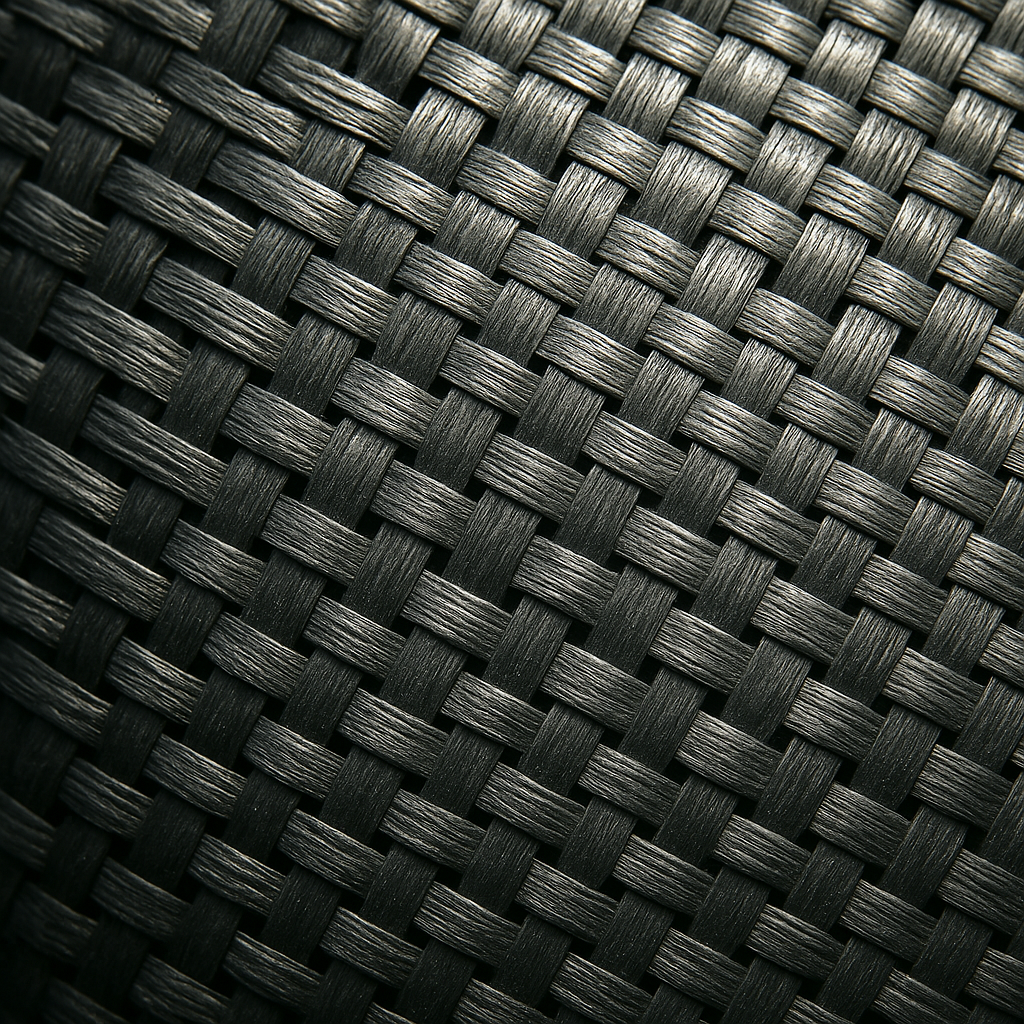
Answer (50 words): A PP woven bag is a packaging sack made from polypropylene tapes woven in a criss-cross pattern, then stitched or heat-cut to form an open-mouth or valve bag. The weaving process bonds flat PP strips on a circular or flat loom, producing a lightweight, breathable fabric capable of carrying 5 kg to 50 kg loads reliably.
According to the woven fabric reference, the interlacing of warp and weft yarns gives woven textiles their characteristic dimensional stability and load-bearing capacity. This structural advantage is why PP woven bags outperform non-woven alternatives for heavy-duty industrial packaging across Malaysian sectors.
What Raw Materials Are Used in PP Woven Bags?
Answer (45 words): PP woven bags start with polypropylene granules, a thermoplastic polymer derived from petrochemical feedstock. The granules are extruded into thin flat tapes, stretched for tensile alignment, and wound onto creels for the loom, with optional UV stabilizers added for outdoor tropical storage.
- Polypropylene granules: Primary thermoplastic resin, virgin or recycled grade.
- UV stabilizers: Blended at 1% to 2% by weight for sun-resistant sacks.
- Calcium carbonate filler: Reduces cost and improves opacity for Malaysian buyers needing tropical warehouse durability.
What Are the Standard Specifications Malaysian Buyers Should Know?
Answer (50 words): The two critical specifications are fabric weight (GSM) and bag dimensions. Common Malaysian specs range from 60 GSM to 120 GSM fabric, with 70 GSM and 80 GSM being the most ordered for rice, flour, and animal feed applications.
- Fabric weight: 60-120 GSM; 70-80 GSM standard for rice and feed.
- Typical dimensions: 50 kg rice bags around 60 cm × 100 cm; 25 kg fertilizer bags 50 cm × 80 cm.
- Liner options: HDPE or LDPE internal liners for moisture-sensitive products.
- Closure style: Top hem, bottom stitching, valve, or open-mouth configurations.
What Are the Main Types of PP Woven Bags Available in Malaysia?
Answer (50 words): Malaysian suppliers typically stock five main variants of PP woven bags, each engineered for a specific end-use. The Kuala Lumpur industrial market favors laminated and BOPP-printed bags for retail-facing applications, while unlaminated breathable bags dominate agricultural use.
- Unlaminated PP woven bags: Breathable, low-cost sacks for rice, sugar, maize, and produce. Typical fabric weight 60-80 GSM.
- Laminated PP woven bags: Coated with thin PP film for moisture and dust resistance, ideal for fertilizer, cement, and chemicals.
- BOPP laminated bags: Multi-color rotogravure printed bags for premium rice, pet food, and branded FMCG products with shelf appeal.
- FIBC jumbo bags: Flexible intermediate bulk containers rated 500-1500 kg for chemical, mineral, and construction sectors.
- PP woven bags with liner: Internal HDPE/LDPE liner for hygroscopic products like sugar, salt, and fertilizers requiring extra moisture protection.
What Are the Advantages of PP Woven Bags Over Alternatives?
Answer (48 words): PP woven bags offer measurable advantages in tensile strength, reusability, cost-per-load, and environmental footprint compared to jute, paper, or HDPE woven alternatives. Malaysian manufacturers report 15-30% cost reduction per unit load when switching from multi-wall paper sacks to laminated PP woven bags.
| Property | PP Woven Bag | Jute Bag | Multi-wall Paper Bag |
|---|---|---|---|
| Tensile strength | Very high | High | Low |
| Moisture resistance | High (laminated) | Low | Very low |
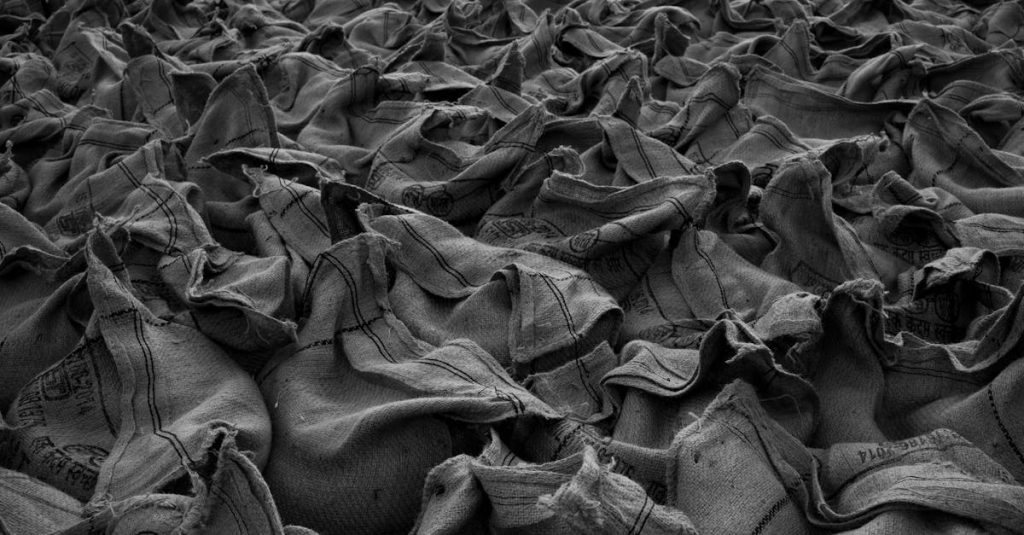
| Reusability | 3-5 cycles | 1-2 cycles | Single use |
| Cost per 50 kg load | RM 0.80-1.50 | RM 1.80-2.50 | RM 1.20-2.00 |
| Shelf life (outdoor) | 6-12 months | 3-6 months | < 1 month |
How Much Do PP Woven Bags Cost in Kuala Lumpur in 2026?
Answer (50 words): PP woven bag pricing in Kuala Lumpur ranges from RM 0.40 to RM 2.20 per piece depending on fabric weight, lamination, print complexity, and order volume. As of Q1 2026, raw polypropylene resin prices in Southeast Asia have stabilized, giving Malaysian buyers more predictable bulk pricing.
What Factors Affect PP Woven Bag Pricing in Malaysia?
Answer (40 words): Five primary variables determine PP woven bag pricing in Malaysia: fabric GSM, lamination type, print color count, order quantity, and liner inclusion. Each factor has a measurable per-bag cost impact buyers should evaluate.
- Fabric GSM: Each 10 GSM increase adds roughly RM 0.10-0.15 per bag.
- Lamination: Laminated bags cost 25-40% more than unlaminated equivalents.
- Print colors: BOPP rotogravure printing adds RM 0.20-0.60 per bag for 4-8 color designs.
- Order quantity: A 20-foot FCL order (approximately 150,000-200,000 bags) attracts 10-20% volume discount.
- Liner inclusion: Internal HDPE liners add RM 0.30-0.50 per bag but are mandatory for sugar and salt packaging.
What Is the Typical MOQ for PP Woven Bag Orders in Malaysia?
Answer (45 words): Most Kuala Lumpur manufacturers set a minimum order quantity of 10,000 to 50,000 pieces for stock specifications and 50,000+ pieces for custom-printed bags. Smaller Klang Valley converters serve short runs of 5,000 pieces at a 20-30% per-unit premium for SME pilot batches.
Which Industries in Kuala Lumpur Use PP Woven Bags the Most?
Answer (45 words): The Kuala Lumpur and Selangor industrial corridor has five major PP woven bag consuming sectors driving regional demand year-round. Each sector has distinct specification requirements that influence supplier choice, GSM rating, and pricing strategy.
- Agriculture and rice milling: 25-50 kg bags, 70-80 GSM, often BOPP printed for retail rice brands.
- Fertilizer and agrochemical: 25-50 kg laminated bags with HDPE liner, 80-100 GSM.
- Animal feed and aquaculture: 25-40 kg bags with optional easy-open tear notch, 70-90 GSM.
- Construction materials: 50 kg cement bags, 90-120 GSM, heavy-duty lamination.
- Chemicals and minerals: FIBC jumbo bags rated 800-1500 kg SWL with UN certification for hazardous goods.
How to Choose a Reliable PP Woven Bag Supplier in Kuala Lumpur?
Answer (48 words): Selecting the right Klang Valley supplier requires verification of production capacity, quality certifications, and export readiness. Malaysian buyers should evaluate suppliers against six measurable criteria before committing to long-term procurement contracts.
- Manufacturing capacity: Confirm the factory can produce 500,000+ bags per month consistently.
- Quality certifications: Look for ISO 9001, ISO 14001, and food-grade FDA or SGS approvals.
- In-house lamination and printing: Vertically integrated mills offer faster lead times and better color consistency.
- Sample policy: Reliable suppliers provide free 50-100 piece samples within 3-5 working days.
- Lead time: Standard production lead time in Malaysia is 15-25 days after artwork approval.
- Logistics support: Suppliers near Port Klang or Westports offer cost advantages for FOB shipments to ASEAN and African markets.
Are PP Woven Bags Environmentally Friendly and Recyclable?
Answer (48 words): PP woven bags are 100% recyclable and have a lower carbon footprint per use cycle than single-use paper or jute alternatives. Malaysian recycling facilities in Selangor and Johor accept clean PP woven bags for reprocessing into pellets for automotive parts and new woven fabric.
A single laminated PP woven bag reused 3-5 times generates approximately 60-70% less packaging waste than equivalent single-use paper sacks across the same load volume.
What Are the Sustainable Alternatives to Virgin PP Woven Bags?
Answer (45 words): Forward-looking Malaysian manufacturers now offer recycled PP (rPP) woven bags made from 30-50% post-industrial recycled content. These bags carry comparable tensile strength to virgin PP at a 10-15% cost premium with stronger ESG credentials for European and Japanese export markets.
Where to Source PP Woven Bags in Kuala Lumpur and Selangor?
Answer (48 words): The Klang Valley hosts Malaysia’s densest concentration of PP woven bag manufacturers, with production clusters in Shah Alam, Klang, Subang Jaya, and Batu Caves. Buyers can source directly from factory showrooms, B2B marketplaces, or specialist packaging distributors.
For a curated list of Malaysian woven bag product specifications and packaging categories, browse the AEC product catalogue to compare SKUs by industry, GSM, and print type.
How to Import or Export PP Woven Bags from Malaysia?
Answer (50 words): Malaysia is a net exporter of PP woven bags to Indonesia, Vietnam, Thailand, the Philippines, and African markets, with Port Klang handling the majority of FOB shipments. Exporters must secure HS code 6305.33 classification, provide mill test certificates, and comply with destination-country food-contact or hazardous-material regulations.
Frequently Asked Questions (FAQs)
What is the lifespan of a PP woven bag?
PP woven bags last 6-12 months in outdoor tropical storage and 2-3 years in covered warehouse conditions. UV-stabilized variants extend outdoor life to 18-24 months under direct Malaysian sun exposure.
Can PP woven bags hold food products safely?
Yes, food-grade PP woven bags manufactured under FDA and SGS migration-test certifications are safe for rice, flour, sugar, and animal feed. Always request food-contact compliance documentation before issuing a purchase order.
What is the difference between PP woven and non-woven bags?
PP woven bags use interlaced flat tapes for high tensile strength, while non-woven bags use bonded or spun fibers for softer, lower-strength applications. Woven bags are preferred for 25-50 kg industrial loads.
Are laminated PP woven bags waterproof?
Laminated PP woven bags are water-resistant, not fully waterproof. They protect contents from splashes, rain exposure during transit, and humidity, but submersion will eventually allow moisture ingress at seams.
How many PP woven bags fit in a 20-foot container?
A 20-foot FCL holds approximately 150,000-200,000 standard 50 kg rice bags depending on compression and stacking method. Vacuum-packed bale loading can increase this to 250,000 bags per FCL.
What GSM is best for a 50 kg rice bag?
A 70-80 GSM fabric with optional BOPP lamination is the industry standard for 50 kg rice bags in Malaysia, offering the right balance of tensile strength, breathability, and cost efficiency.
Do Malaysian PP woven bag suppliers offer custom printing?
Yes, most Kuala Lumpur converters offer 4-8 color BOPP rotogravure printing with matte, gloss, and pearl finishes. Custom artwork requires 7-10 working days for cylinder engraving before production starts.