





What is a cooler bag and why is it essential in Malaysia?
A cooler bag is an insulated container designed to maintain the temperature of food and drinks by using thermal insulation. In Malaysia’s high-humidity tropical climate, these bags are essential to prevent rapid spoilage of perishables, making them vital for picnics, beach trips, and outdoor festivals.
- Function: Traps air and uses reflective layers to resist heat transfer.
- Local Necessity: Protects food from Malaysia’s extreme heat.
- Technical Reference: See Wikipedia for thermal bag principles.
How do cooler bags maintain temperature?
Cooler bags maintain temperature through a combination of vacuum insulation, reflective foil layers, and high-density foam. These elements work together to block conduction, radiation, and convection, ensuring your contents remain at a stable temperature for extended periods despite external heat.
What features should I look for in a Malaysian cooler bag?
When shopping in Malaysia, prioritize bags with an insulation rating of 12+ hours, waterproof zippers, and UV-resistant exteriors. High-density materials like recycled polyester are ideal for durability, while ergonomic handles and built-in ice pack compartments enhance portability and efficiency in tropical heat.
Where can I buy the best cooler bags in Malaysia?
You can purchase high-quality cooler bags through local outdoor retailers, e-commerce giants like Lazada and Shopee, or specialty shops like AEC. AEC offers an extensive collection of premium cooler-chiller bags with various sizes and colors, including free shipping on orders over RM200.
How to use a cooler bag for maximum efficiency?
To maximize cooling duration, pre-chill the bag, place ice packs at the bottom, and avoid opening the bag frequently. Following a structured packing method can extend the internal temperature stability by up to 30%, ensuring your food stays fresh for longer durations.
- Pre-chill: Place the bag in a cool area for 30 minutes before packing.
- Layering: Place ice packs at the bottom and heaviest/coldest items first.
- Seal: Ensure the zipper is airtight immediately after packing.
- Shade: Always store the bag in a shaded, ventilated area.
What maintenance tips keep my cooler bag in top shape?
Maintain your bag by cleaning the interior with mild soap after every use and ensuring it is completely dry before storage. Avoid prolonged exposure to direct sunlight and inspect zippers or straps every 12 months to replace any signs of wear or tear.
- Cleaning: Use mild soap and rinse thoroughly.
- Drying: Air dry completely to prevent mold/mildew.
- Storage: Store in a cool, dry, and shaded location.
- Inspection: Check zippers and straps every year.
What are the different types of cooler bags available?
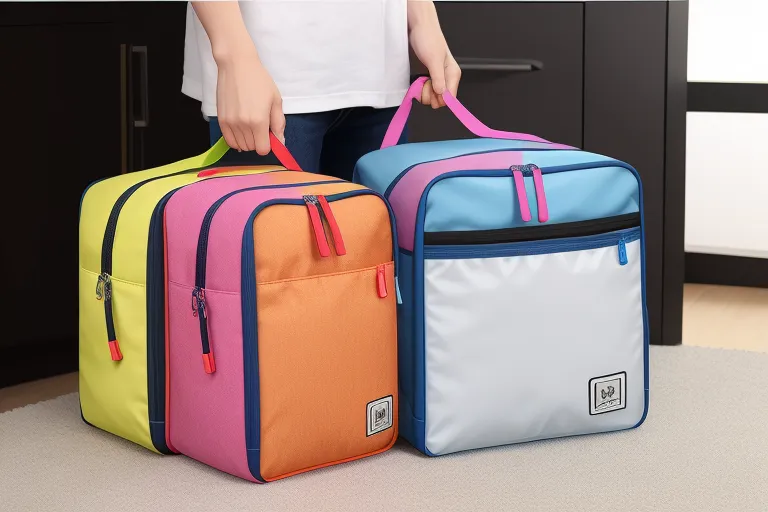
Cooler bags are categorized into standard insulated bags, chiller bags with integrated ice packs, and collapsible models. Each type serves a specific purpose, ranging from lightweight daily commuting to heavy-duty long-distance travel and outdoor excursions.
- Standard Insulated: Best for light, short-duration food storage.
- Chiller Bags: Features built-in ice packs for longer cooling.
- Collapsible: Space-saving designs perfect for easy storage.
How does a cooler bag compare to a cooler box?
Cooler bags offer lightweight portability and flexible capacity for easy transport, whereas cooler boxes provide a rigid structure and superior insulation performance. Choose a bag for mobility and a box for stationary, high-volume cooling needs.
Can I use a cooler bag for hot drinks?
Yes, many premium cooler bags are dual-temperature capable. By using a heat-retaining pack instead of ice, these bags can maintain warm temperatures for up to 6 hours, making them versatile for both cold beverages and warm food/soup.
- Capability: Dual-temperature (Hot & Cold).
- Method: Use insulated cups or heat packs.
- Performance: Up to 6 hours of heat retention.
What is the environmental impact of cooler bags?
Reusable cooler bags significantly reduce single-use plastic waste and lower the overall environmental footprint. Selecting bags made from recycled polyester and maintaining them for long-term use is the most sustainable way to manage outdoor cooling.
- Waste Reduction: Replaces disposable thermal wraps.
- Sustainability: Look for recycled materials.
- Lifecycle: Long-lasting use reduces carbon footprint.
How to choose the right size for your needs?
Select a bag size based on your specific volume requirements: small (1–2L) for single lunches, medium (3–5L) for family picnics, or large (6–10L) for weekend trips. Always consider the total weight and handle ergonomics during your selection process.
- Assess Volume: Determine how many items you need to carry.
- Pick Size: Small, Medium, or Large.
- Weight Check: Ensure it is manageable when full.
- Handle Design: Look for ergonomic support.
What warranties and guarantees are offered?
Reputable brands typically provide a 1-year limited warranty covering manufacturing defects. Some retailers also offer a 30-day return policy for items that fail to meet specific insulation performance standards at the time of purchase.
- Standard Warranty: 1-year limited coverage.
- Return Policy: Often 30 days for performance failures.
- Coverage: Focuses on manufacturing and material defects.
Frequently Asked Questions (FAQs)
Q: How long can a typical cooler bag keep ice frozen in Malaysia?
A: In hot, humid conditions, a well-insulated bag can keep ice frozen for 8–10 hours if pre-chilled and packed with ice packs.
Q: Are there eco-friendly cooler bags available?
A: Yes, many brands now use recycled polyester and biodegradable foams to reduce environmental impact.
Q: Can I use a cooler bag for transporting perishable seafood?
A: Yes, but ensure the bag is pre-chilled and use multiple ice packs to maintain temperatures below 5°C.
Q: How do I prevent condensation inside the bag?
A: Use a moisture-absorbing pouch and ensure the bag is sealed tightly to avoid frequent openings.
Q: What is the difference between a cooler bag and a cooler box?
A: A bag is lightweight and flexible for travel; a box is rigid and offers higher insulation for stationary use.