





Why is custom packaging important for small business growth?
Custom packaging drives growth by transforming a standard commodity into a branded experience that increases customer retention and brand recall. By utilizing unique colors, logos, and textures, small businesses can compete with larger corporations by establishing a premium identity that justifies higher price points and encourages repeat purchases through emotional connection.
To build a scalable presence, many entrepreneurs partner with specialized providers to ensure quality consistency. Investing in tailored packaging helps:
- Enhances Brand Recognition: Consistent visual identity across all shipments.
- Increases Perceived Value: Premium materials signal high-quality products inside.
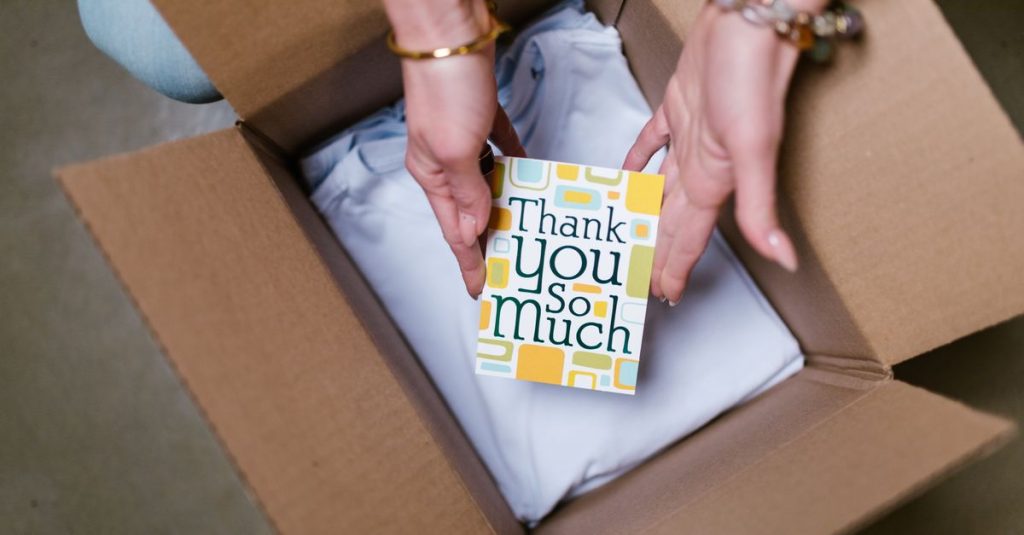
- Drives Social Media Exposure: ‘Instagrammable’ unboxing experiences lead to organic user-generated content.
- Protects Product Integrity: Tailored dimensions reduce shipping damage and dimensional weight costs.
What are the most effective types of custom packaging for small brands?
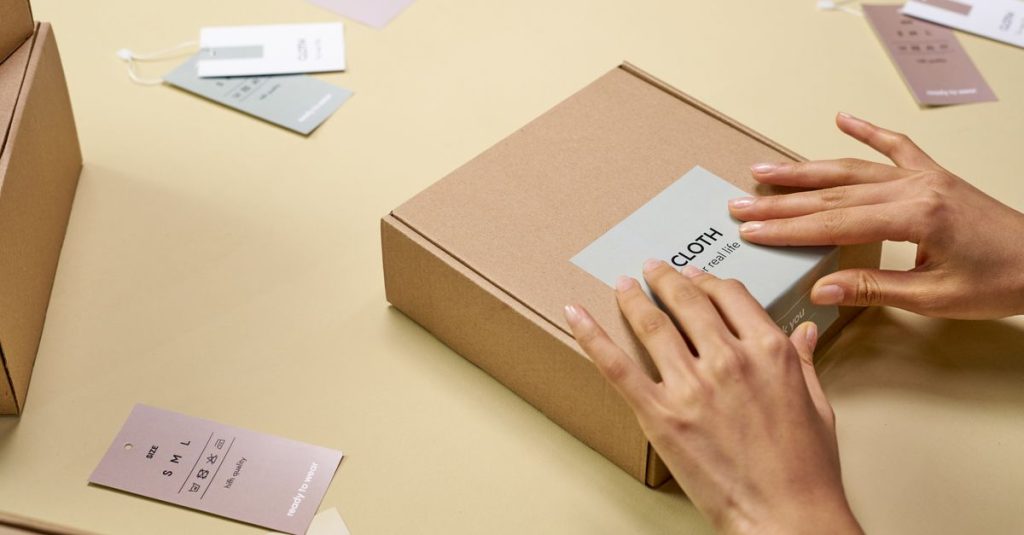
Effective packaging types for small businesses include corrugated mailer boxes, custom poly mailers, branded tissue paper, and custom stickers. The choice depends entirely on the product’s fragility, weight, and the desired luxury level of the customer unboxing experience.
1. Corrugated Mailer Boxes
Ideal for heavy or fragile items, these provide high protection and a premium feel. They are the gold standard for e-commerce brands wanting a ‘wow’ factor.
2. Custom Poly Mailers
Best for apparel and non-fragile soft goods. These are lightweight, waterproof, and cost-effective for shipping high volumes of lightweight items.
3. Branding Accents (Tissue and Stickers)
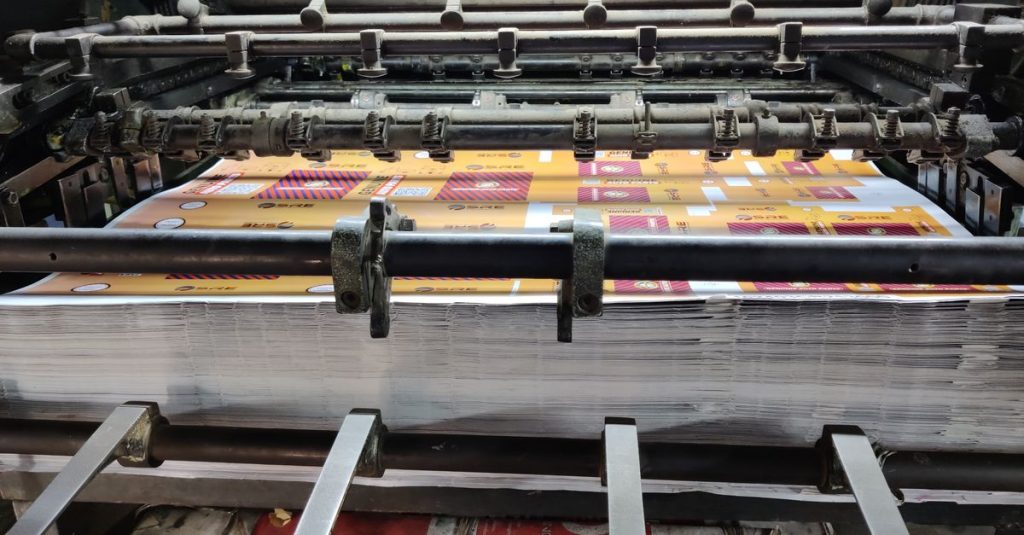
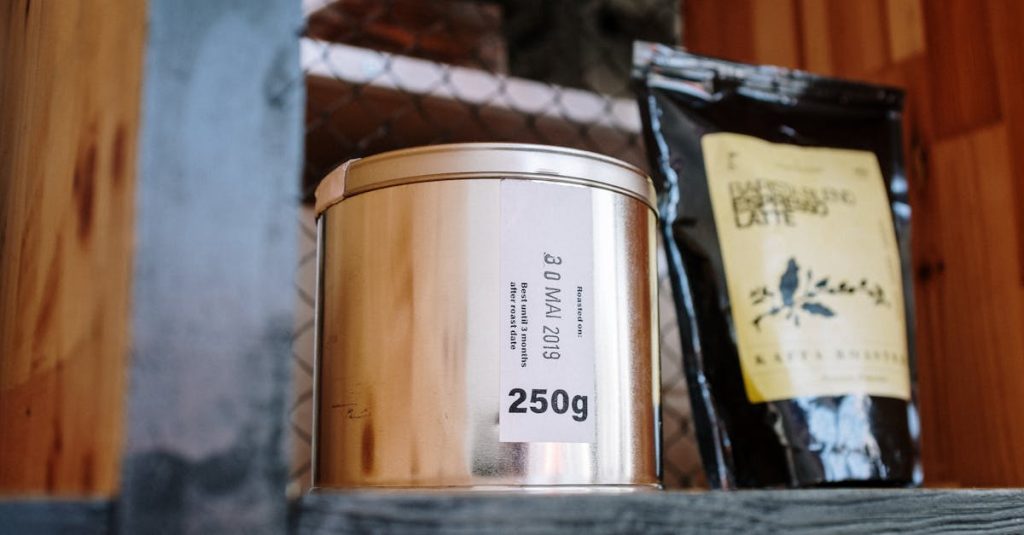
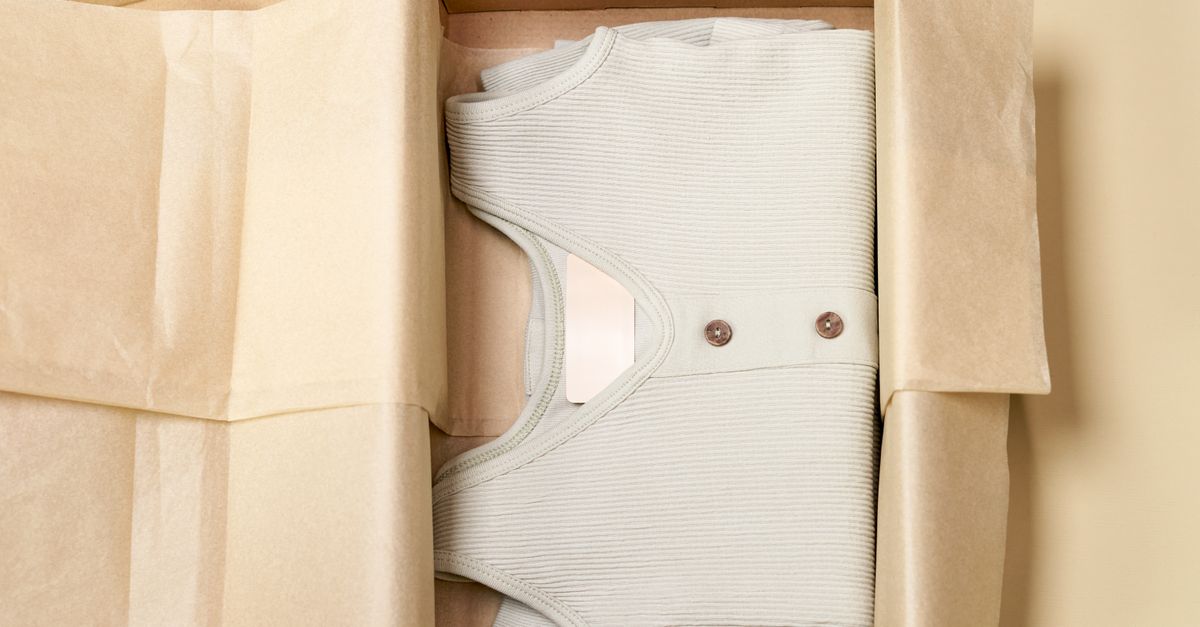
An affordable entry point for small businesses. Using custom-printed tissue paper or branded stickers allows for branding without the high cost of full-box printing.
How to choose sustainable packaging solutions for your brand?
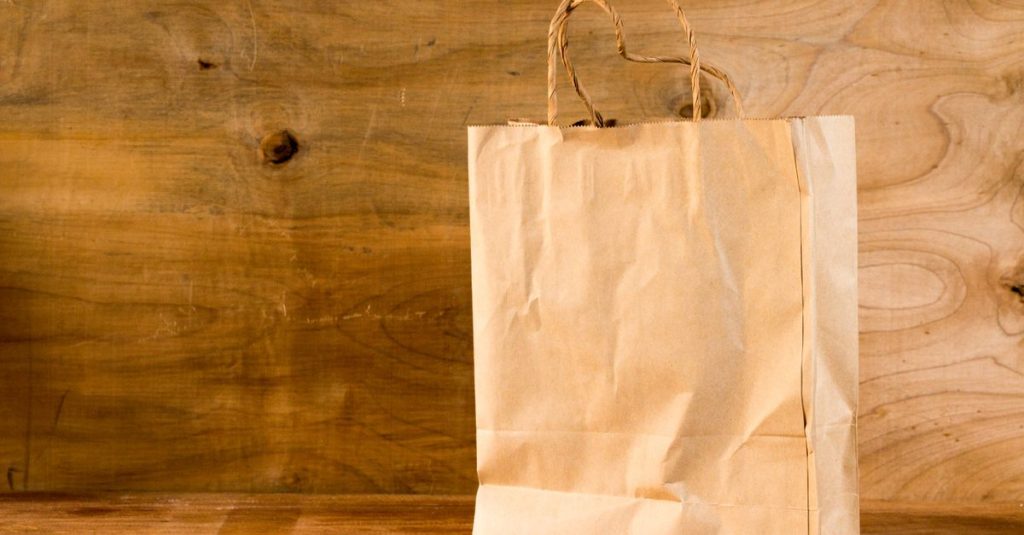
Sustainable packaging involves selecting biodegradable, recyclable, or compostable materials that minimize environmental impact. As packaging technology evolves, small businesses can leverage eco-friendly materials to appeal to environmentally conscious consumer segments and reduce carbon footprints.
When selecting sustainable options, prioritize these three criteria:
- Material Origin: Look for FSC-certified paper or recycled content.
- End-of-Life Capability: Ensure the consumer can easily recycle or compost the item.
- Minimalism: Avoid over-packaging by using the smallest possible dimensions to reduce waste and shipping costs.
Step-by-Step: How to design custom packaging for your business
Follow this systematic process to move from concept to physical product without common pitfalls:
- Define Your Brand Identity: Select a color palette and logo that reflect your brand’s personality.
- Measure Your Product: Take precise dimensions to avoid unnecessary void fill or shipping delays.
- Select a Material Grade: Choose between lightweight paper, heavy-duty corrugated, or flexible poly mailers based on weight.
- Create Digital Mockups: Use design software to visualize how your logo and colors appear on the 3D surface.
- Order Samples First: Always request a prototype to test durability and print color accuracy before committing to a bulk order.
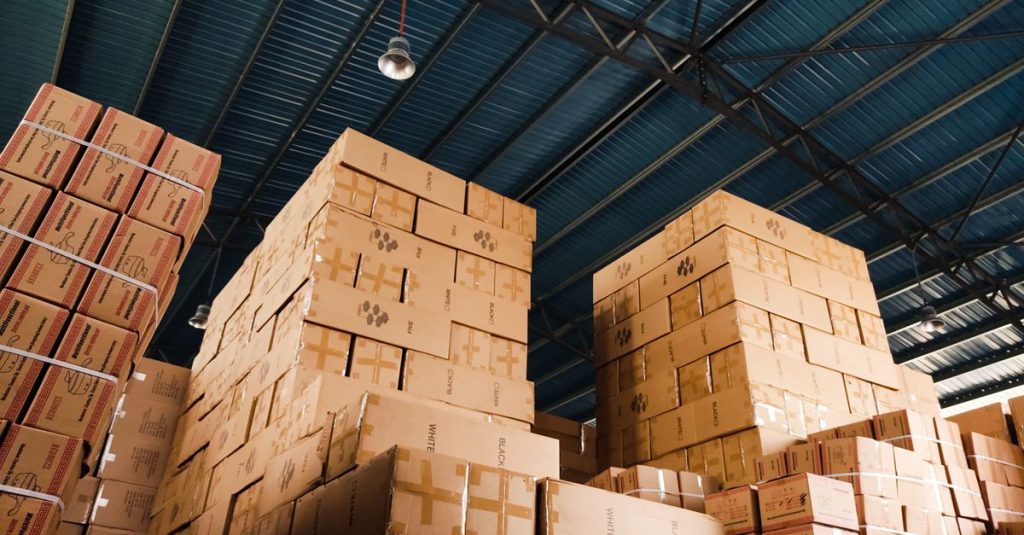
- Scale Production: Once testing is complete, place bulk orders to reduce the unit cost per package.
Frequently Asked Questions (FAQs)
Yes, because it increases the perceived value of your product and turns a standard delivery into a marketing event. This often leads to higher customer loyalty and organic social media promotion.
Costs vary significantly based on order volume, material choice, and printing complexity. Generally, higher quantities lead to a lower cost-per-unit, making bulk orders more economical.
Compostable plant-based plastics and FSC-certified recycled cardboard are excellent choices. These materials break down naturally or reintegrate into the recycling stream without adding significant waste.