





How do you choose the best product packaging in Malaysia?
To pick the best packaging, evaluate your product’s fragility, shelf life, and logistics, then match those needs to material durability, cost, and brand image. Prioritize moisture protection, shock absorption, and local cost‑efficiency for a winning solution. This approach balances performance and budget, ensuring your packaging protects the product while reinforcing brand values.
Steps to optimize your selection:
- Define Product Requirements: Determine if your item needs moisture protection, shock absorption, or vacuum sealing.
- Analyze Target Demographic: Consider if your audience prefers premium, luxury finishes or eco‑friendly, minimalist designs.
- Evaluate Material Suitability: Choose between corrugated cardboard, plastics, glass, or biodegradable alternatives based on weight and sensitivity.
- Assess Local vs. Imported Costs: Compare lead times and shipping costs of local Malaysian manufacturers against international suppliers.
What are the most common packaging materials used in Malaysia?
Malaysia’s packaging landscape relies on corrugated cardboard for shipping, flexible plastics for food, and glass or PET for liquids. These materials offer the right balance of strength, barrier properties, and sustainability for diverse industries. Choosing the correct material reduces shipping costs, meets regulatory standards, and aligns with consumer expectations for quality and eco‑responsibility.
Key material breakdown:
Key Material Breakdown
Corrugated cardboard delivers structural protection and recyclability; flexible plastics provide moisture barriers for food; glass/PET offers transparency and barrier for liquids; paper/foil adds branding and aesthetic appeal. These materials are chosen based on product sensitivity, regulatory compliance, and brand positioning, ensuring optimal performance and consumer perception.
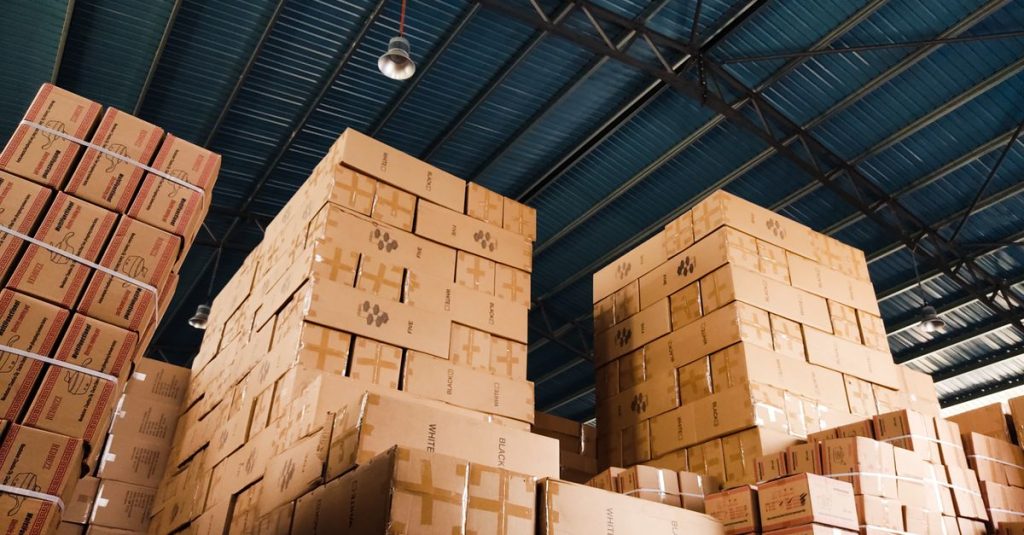
- Corrugated Cardboard: Ideal for e‑commerce and shipping due to strength and recyclability.
- Flexible Plastics: Widely used in the food and beverage sector for snack and dried goods packaging.
- Glass & PET: Preferred for liquids, juices, and premium skincare due to transparency and barrier properties.
- Paper & Foil: Used primarily for secondary packaging to provide branding and aesthetic appeal.
Why is sustainable packaging trending in the Malaysian market?
Sustainable packaging is rising in Malaysia because consumers demand eco‑friendly products, regulators ban single‑use plastics, and brands use green materials to boost reputation and cut logistics costs. This trend aligns with global sustainability goals, reduces environmental impact, and differentiates brands in a competitive marketplace.
Drivers of the green packaging movement:
- Regulatory Shifts: Malaysian authorities increasingly implement bans on single‑use plastics in various states.
- Consumer Demand: Modern Malaysian shoppers are more likely to support brands that use minimal, non‑toxic, and recyclable materials.
- Brand Reputation: Adopting eco‑friendly materials serves as a powerful marketing signal that differentiates a brand in a crowded market.
- Operational Efficiency: Reducing excess packaging weight helps lower logistics costs and carbon emissions.
How can Malaysian businesses source high‑quality custom packaging?
Businesses source premium custom packaging by partnering with manufacturers that offer design, prototyping, and mass‑production services, ensuring material science expertise, strict quality control, and scalable production to meet evolving volume demands. Evaluating suppliers on customization, lead times, QA protocols, and scalability guarantees a reliable supply chain that supports brand growth and product integrity.
When vetting a partner, consider:
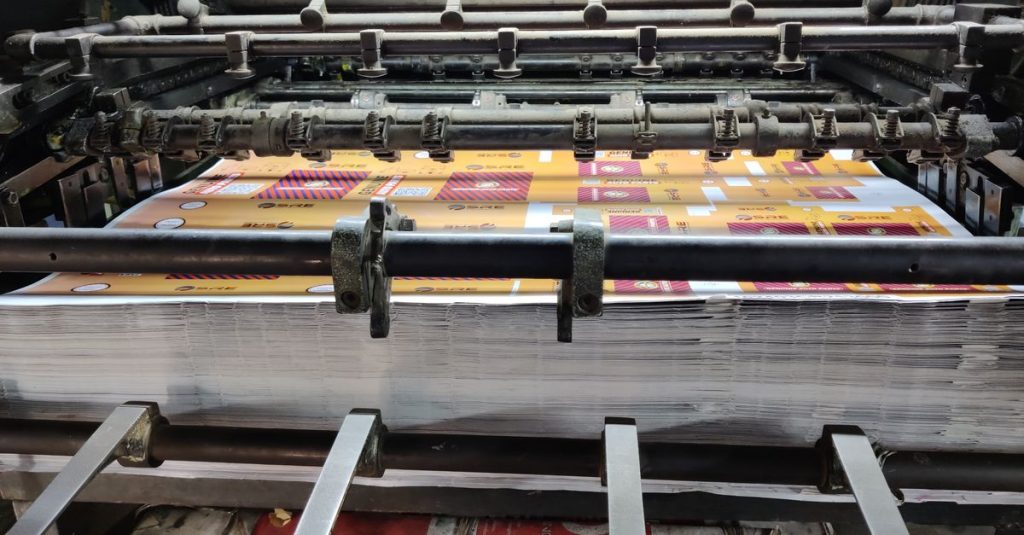
- Customization Capabilities: Ability to handle specific dimensions, custom printing (CMYK/Pantone), and unique structural designs.
- Lead Times: Speed from design approval to mass production and delivery.
- Quality Assurance: Strict inspection protocols to prevent defects in large batches.
- Scalability: Capacity to grow with your brand as order volumes increase.
For specialized expertise, working with industry leaders like AEC provides the necessary technical support and supply chain reliability required for complex packaging needs.
Frequently Asked Questions (FAQs)
What is the minimum order quantity (MOQ) for custom packaging in Malaysia?
MOQs vary by supplier and material type; custom printing often requires higher volumes to be cost‑effective. Contact manufacturers directly to discuss your specific project requirements.
Is corrugated cardboard better than plastic for shipping?
Corrugated cardboard generally offers superior structural protection and sustainability, while plastic provides better moisture barriers. Choose based on your product’s protection needs.
Can I get eco‑friendly packaging for food products?
Yes, many Malaysian suppliers offer biodegradable starch‑based plastics and paper‑based alternatives designed for food contact. Always verify that the materials meet local food safety standards.