




Bag Manufacturer in Malaysia: Custom Bags, OEM Supply & Bulk Orders
What Does a Bag Manufacturer in Malaysia Actually Do?
A bag manufacturer in Malaysia converts raw fabrics, films, and woven materials into finished carry bags, packaging pouches, and promotional totes for B2B buyers. In Kuala Lumpur, manufacturers like AEC operate in-house cutting, printing, lamination, stitching, and quality-control lines handling orders from 500 units up to six-figure bulk runs. The role covers material sourcing, structural design, compliance testing, and export logistics under standards such as SIRIM, MS 1553, and ISO 9001:2015.
Core Manufacturing Capabilities
- Material conversion: non-woven polypropylene (PP), cotton, canvas, jute, kraft paper, PET, and polyethylene films.
- Print methods: silkscreen, heat-transfer, sublimation, digital, and offset lamination.
- Finishing options: ultrasonic welding, binding tape, metal eyelets, zippers, ribbon handles, and reinforced bottoms.
- Value-added services: Pantone colour matching, 3D mock-ups, sampling, private-label packaging, and barcoded SKU labelling.
Why Source Bags from a Kuala Lumpur Manufacturer?
Kuala Lumpur offers faster lead times, lower shipping costs within ASEAN, and direct access to OEM factories without trading-company mark-ups. Malaysian manufacturers comply with MS 1553 flammability standards and the Single-Use Plastics roadmap, keeping export shipments to the EU, Australia, and Singapore compliant. Proximity to Port Klang reduces FOB container lead times by 10 to 14 days compared with mainland China shipments.
Key Business Benefits
- MOQ flexibility: orders starting at 500 units for custom designs.
- Bilingual support: Bahasa Malaysia and English documentation, invoices, and shipping marks.
- Time-zone alignment: same-business-day responses for European morning enquiries.
- Trade-association membership: Malaysian Plastics Manufacturers Association (MPMA) verified.
- Logistics: 35-minute drive from KLIA cargo terminal and Port Klang.
Types of Bags Produced by AEC Malaysia
AEC structures its product line into four primary categories so procurement teams can match a bag format to a use-case without custom tooling. Each category has standard dies, stitching patterns, and load-test data available on request.
1. Non-Woven Bags (PP)
Non-woven polypropylene bags are the most requested OEM format because they balance durability with a low per-unit cost of roughly RM 0.80 to RM 2.50 at 1,000 units. They are reusable, recyclable under resin code 5, and accept full-colour surface printing suitable for retail promotions.
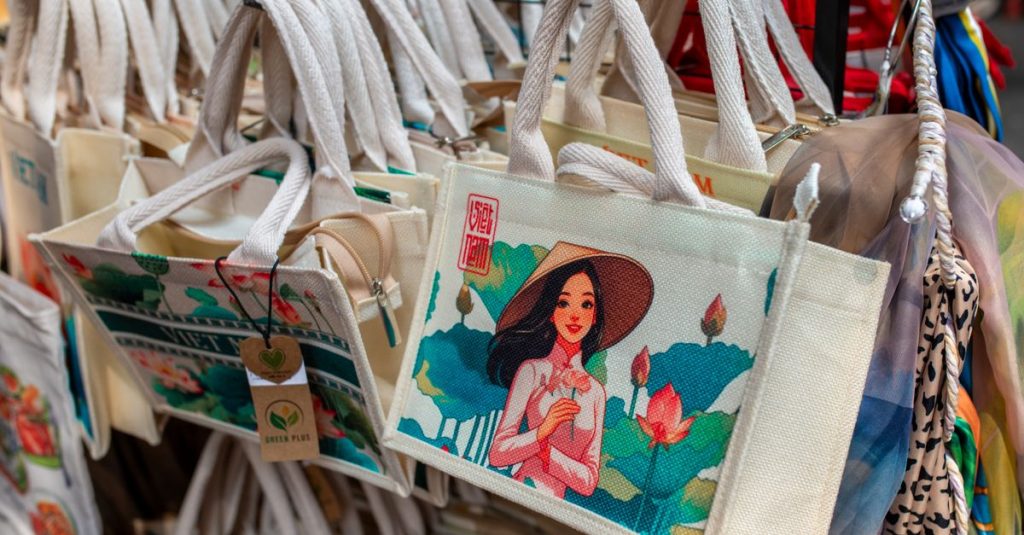
2. Cotton and Canvas Tote Bags
Cotton and canvas bags serve premium retail, corporate gifting, and F&B takeaway. Standard weights are 4 oz, 6 oz, 8 oz, and 12 oz, with GSM tolerances within ±5%. AEC sources GOTS-certified organic cotton on request for export clients needing sustainability documentation.
3. Plastic and Laminated Pouches
Plastic carry bags, zip-lock pouches, and laminated stand-up pouches use LDPE, HDPE, and BOPP films. Laminated pouches support barrier properties needed for food, cosmetic, and e-commerce fulfilment, with thicknesses from 60 to 200 microns.
4. Kraft Paper and Eco Bags
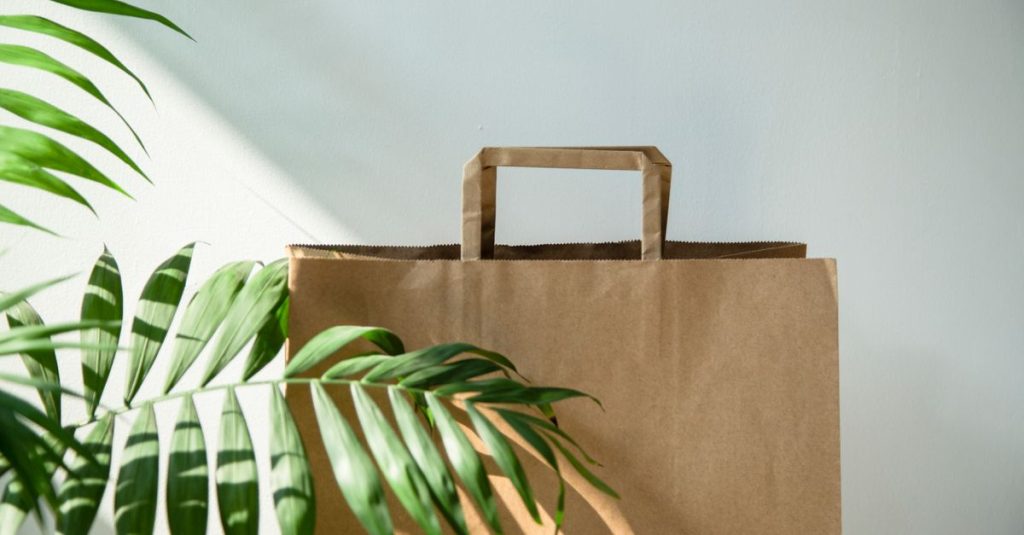
Kraft paper bags with twisted handles, flat handles, or ribbon ties suit bakeries, boutiques, and gift packaging. Recycled kraft (90% post-consumer waste) and FSC-certified virgin kraft are both available with food-grade inner linings.
How the Custom Bag Manufacturing Process Works
AEC follows a six-step workflow that compresses design-to-delivery cycles to 14 to 28 days for repeat orders and 30 to 45 days for new tooling. Each step is documented in the company’s ERP so procurement officers can audit timelines.
Step-by-Step Production Workflow
- Brief and specification: client submits dimensions, material, quantity, and artwork.
- Quotation and sampling: AEC issues a formal quote plus a digital 3D mock-up within 48 hours.
- Artwork approval: Pantone references are matched against physical swatches under D65 light.
- Material sourcing: PP resin, cotton fabric, or kraft rolls are pulled from bonded warehouses in Selangor.
- Production run: cutting, printing, stitching, QC, and packing occur on a single factory floor.
- Logistics and export: FOB Port Klang, CIF, or door-to-door courier shipments are arranged with full commercial invoices and packing lists.
Industries Served by AEC
AEC’s bag manufacturing output supplies seven primary verticals across Malaysia and the ASEAN region. Each vertical has documented case studies showing order volume, material choice, and ROI outcomes.
| Industry | Typical Bag Format | Average Order Size |
|---|---|---|
| Retail & FMCG | Non-woven PP shopping bag | 5,000 – 50,000 units |
| Corporate & Events | Cotton tote with logo print | 500 – 5,000 units |
| F&B and Hospitality | Kraft paper bag, PLA-lined pouch | 2,000 – 20,000 units |
| E-commerce Fulfilment | Courier pouch, poly mailer | 10,000 – 100,000 units |
| Cosmetics and Skincare | Laminated stand-up pouch | 1,000 – 10,000 units |
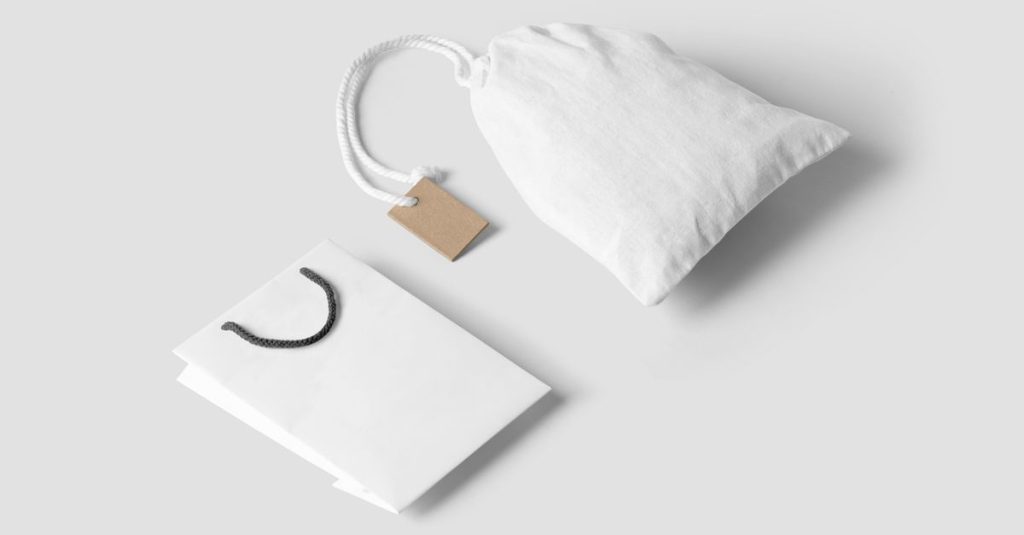
| Education and NGOs | Reusable cotton drawstring bag | 1,000 – 8,000 units |
| Industrial and Hardware | Woven PP sack, BOPP laminated bag | 5,000 – 50,000 units |
Quality Standards and Compliance
AEC maintains ISO 9001:2015 quality management, MS ISO 2859-1 sampling plans, and SEDEX SMETA ethical-trade audits. Material safety data sheets (MSDS) accompany every plastic and laminated shipment, and load-test reports confirm bag tensile strength between 8 kg and 35 kg depending on format.
Certifications Held
- ISO 9001:2015 – quality management system
- MS 1553 – flammability compliance for selected formats
- SIRIM testing – voluntary product certification
- SEDEX SMETA – ethical trade audit
- FSC chain-of-custody – for kraft paper ranges
Pricing Factors for Custom Bags in Malaysia
Bag pricing depends on five variables, and procurement teams who control these levers typically achieve 12% to 18% unit-cost reductions across repeat orders. AEC publishes transparent tier pricing so buyers can model landed costs before issuing an RFQ.
Variables That Affect Unit Price
- Material grade: virgin PP vs recycled PP, 6 oz vs 12 oz cotton.
- Print coverage: 1-colour silkscreen vs full-colour sublimation.
- Order quantity: price breaks at 1k, 5k, 10k, 50k, and 100k units.
- Handle and finishing: ultrasonic, cotton rope, ribbon, or PP webbing.
- Lead time: standard 30-day vs expedited 14-day runs.
How to Choose the Right Bag Manufacturer in Kuala Lumpur
Choosing a bag manufacturer requires evaluating production capacity, compliance, sample responsiveness, and export readiness. A reliable partner will provide a factory audit, references from past clients, and physical samples within five working days. Avoid suppliers that cannot share production-floor photos, machine lists, or export documents.
Buyer Checklist
- ✅ Factory audit or virtual walk-through video
- ✅ ISO 9001 or equivalent certification
- ✅ Sample turnaround under 7 days
- ✅ Transparent MOQ and price-break sheet
- ✅ Export documentation support (COO, BL, invoice)
Frequently Asked Questions (FAQs)
What is the minimum order quantity for custom bags in Malaysia?
Most Malaysian bag manufacturers, including AEC, accept custom orders starting at 500 units for non-woven and cotton formats. Plastic and laminated pouches typically require 1,000 units due to tooling and setup costs.
How long does custom bag production take?
Lead times range from 14 to 21 days for repeat orders and 30 to 45 days for new tooling. Sampling adds 5 to 7 days before mass production begins.
Can AEC ship bags internationally?
Yes, AEC ships FOB Port Klang, CIF, and door-to-door via DHL, FedEx, and sea freight. Export documentation includes commercial invoices, packing lists, certificates of origin, and MSDS where required.
What materials are most sustainable for custom bags?
Recycled non-woven PP (r-PP), GOTS-certified organic cotton, and FSC-certified kraft paper are the most sustainable options. Each material has documented end-of-life recycling streams.
Does AEC provide design services?
AEC offers in-house graphic design, 3D mock-ups, and structural engineering support at no additional cost for confirmed orders. Stand-alone design services are quoted per project.
Are samples free?
Standard catalogue samples are complimentary. Custom-printed samples are charged at production cost and credited against the bulk order on confirmation.
Conclusion
AEC is a Kuala Lumpur-based bag manufacturer delivering custom, OEM, and bulk production for Malaysian and ASEAN buyers. With certified quality systems, flexible MOQs from 500 units, and export-ready logistics via Port Klang, the factory supports retail, corporate, and industrial procurement teams from brief to delivery. Procurement officers can request a quote or download the product catalogue to start a project.